
Highlights
- The national inquiry into group-based child sexual abuse has named Birmingham as its latest area of investigation.
- A separate investigation will cover Wales, including how devolved safeguarding worked.
- The inquiry will examine any cultural, ethnic or religious factors behind the abuse or the institutional response.
- It can compel witnesses and documents, and may hold public hearings.
BIRMINGHAM will be the focus of a new local investigation by the Statutory Independent Inquiry into group-based child sexual abuse, which will examine how organisations responded to child sexual exploitation and whether children were protected.
The inquiry announced the Birmingham investigation alongside the start of its work in Wales on Wednesday (30).
According to a statement, the Birmingham investigation will initially focus on the city but could be extended to surrounding or connected areas if evidence supports it.
The inquiry said the decision to investigate Birmingham was based on information including the experiences of victims and survivors, indications of the scale of harm and risk, and public concern.
It said the investigation would examine how organisations identified child sexual exploitation, shared information and responded to it across the city. Also, how safeguarding systems operated in practice, what organisations knew, how decisions were made and how agencies worked together will be probed.
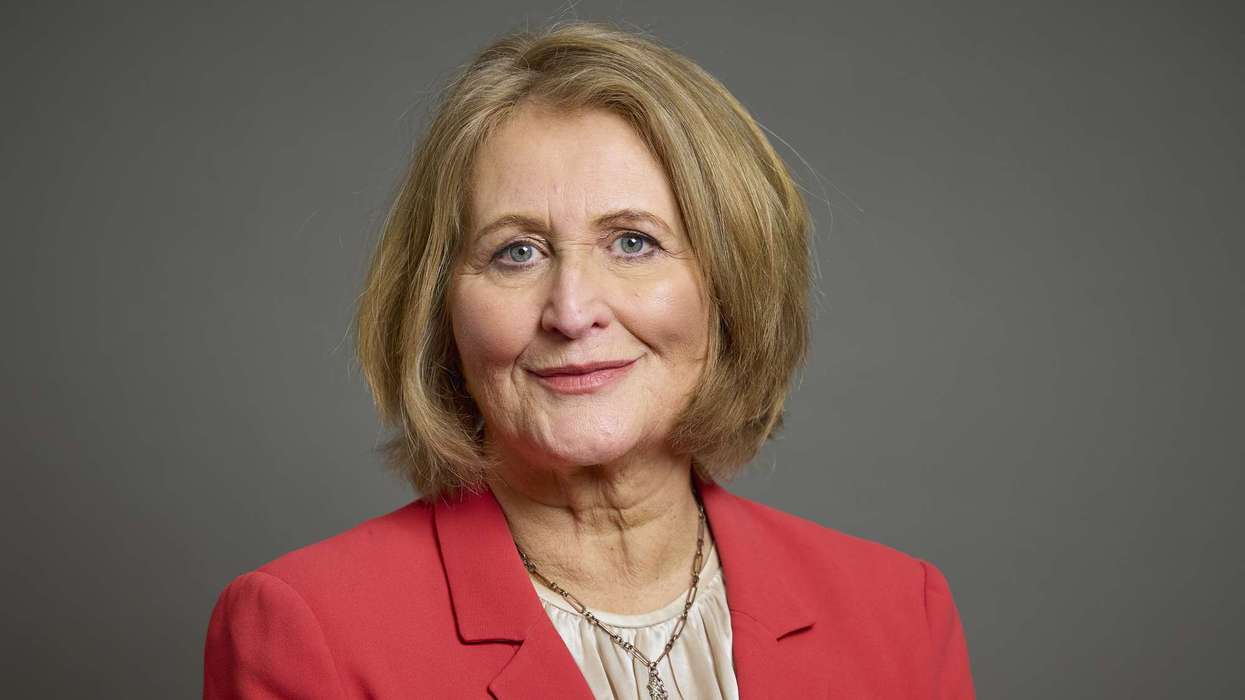
The statutory inquiry, chaired by Baroness Anne Longfield CBE, is investigating the sexual abuse and exploitation of children by a group of men across England and Wales. It formally began work on March 31, 2026 and is expected to conclude by March 2029.
Inquiry to examine safeguarding failures
Zoë Billingham CBE, a member of the inquiry panel, said the investigation would examine “why opportunities to protect children were missed”.
She added: “The local area investigation in Birmingham will allow us to examine these issues in depth and understand how safeguarding systems operated in practice. What we learn through these investigations will help us build a clearer national picture and inform the Inquiry’s wider findings and recommendations."
The Birmingham investigation is part of the inquiry’s wider national programme, alongside investigations already under way in Oldham, Bradford and Keighley, and London.
Each investigation will examine why institutions and organisations failed to protect victims and survivors and contribute to the inquiry’s national findings and recommendations.
Focus on victims and survivors
The inquiry said victims and survivors would be central to the Birmingham investigation. It will examine institutional, organisational and individual failures, including how victims were treated, supported and perceived by public authorities and other organisations.
It will also consider cultural, ethnic, religious and other factors where evidence shows they may have contributed to patterns of abuse or influenced institutional responses.
Baroness Longfield said: “The investigation into Wales will help us understand what happened, why children were not protected, how institutions responded, and what needs to change to prevent future abuse.
“We will follow the evidence wherever it leads. We will examine failures in Wales where they occurred, identify who was responsible, and ensure organisations and individuals are held accountable for the decisions they took, or failed to take, to protect children. “Victims and survivors in Wales have waited too long for answers. This work is about establishing the truth, delivering accountability, and setting out clearly what must change so children are better protected in the future.”
The inquiry has also expanded its National Listening Project, allowing victims, survivors, family members, friends and survivor groups to share their experiences.
From the beginning of October, submissions can be made in writing, through voice or video recordings, or through one-to-one conversations with trained facilitators and specialist emotional support.
Eleanor Kelly CBE, another inquiry panel member, said victims’ experiences would help the inquiry “challenge assumptions, identify issues requiring further examination and inform the recommendations we make”.
“No one needs to wait for an investigation in their area to have their voice heard,” she said.