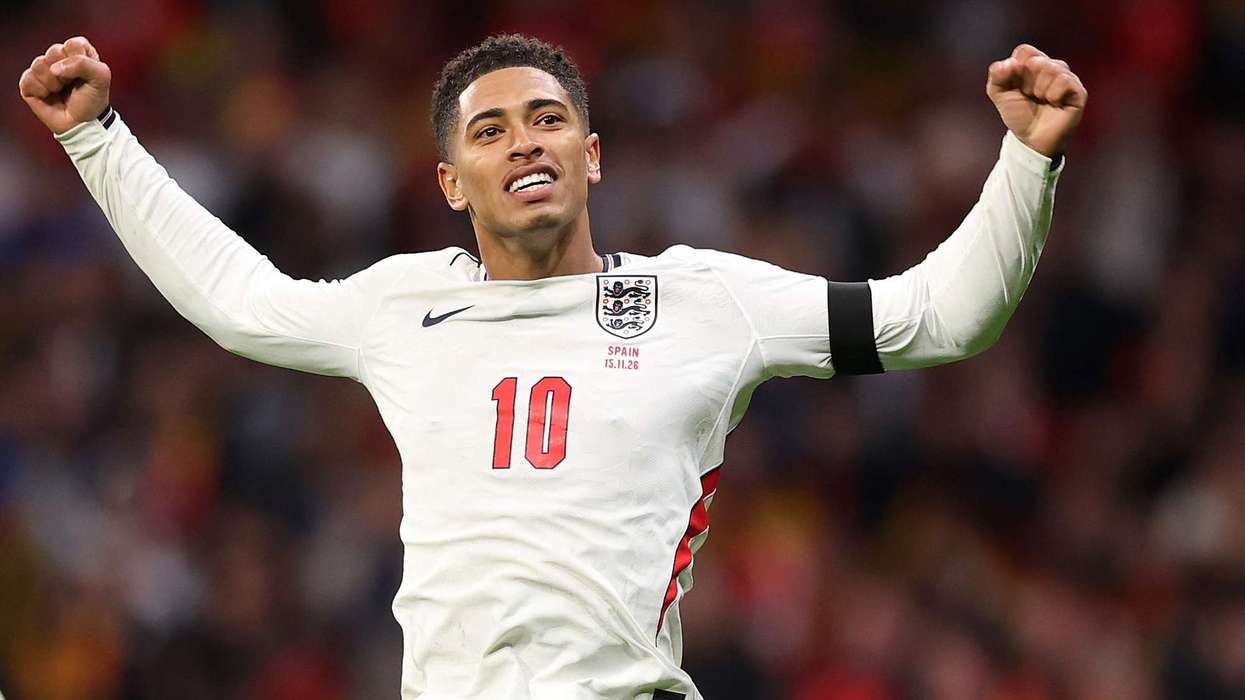

DO YOU have to be white to be English? Few people watching England’s footballers last Sunday (15) night would doubt that the obvious answer is no. Jude Bellingham was man of the match in this famous English victory over world champions Spain. The iconic back-page sporting image was of goalscorer Ezri Konsa congratulating goalkeeper James Trafford for his match-winning saves in a nail-biting finale. Trafford, of Leeds United, was raised on his family's farm in Cumbria while Konsa, of Arsenal, was born in London to parents from Angola and the Congo. That they represent England together has little novelty value today since the reality of our multi-ethnic England has been a settled fact on the pitch for several decades.
Sporting symbolism helped to entrench a common-sense consensus: research shows the white English reject defining English as just for white people by a thumping eight-to-one margin. Ethnic minorities agree, but a bit less emphatically – by closer to three-to-one. That difference is partly because migrants coming to England have mostly identified as British, not English too, before English-born children and grandchildren more often adopt both. It reflects the damage a vocal toxic minority can do to this work-in-progress of an inclusive England.
Hence, both the reasoned, and the unreasonably racist, reactions to proposals made by Josh Babarinde MP last week. Babarinde is MP for Eastbourne, where he was born and bred. The energetic 33-year-old is also the Lib Dem party president. His Early Day Motion – "This House believes that you do not have to be white to English" makes his core point concisely. It is a point that all but a handful of the 535 MPs representing English constituencies would accept.
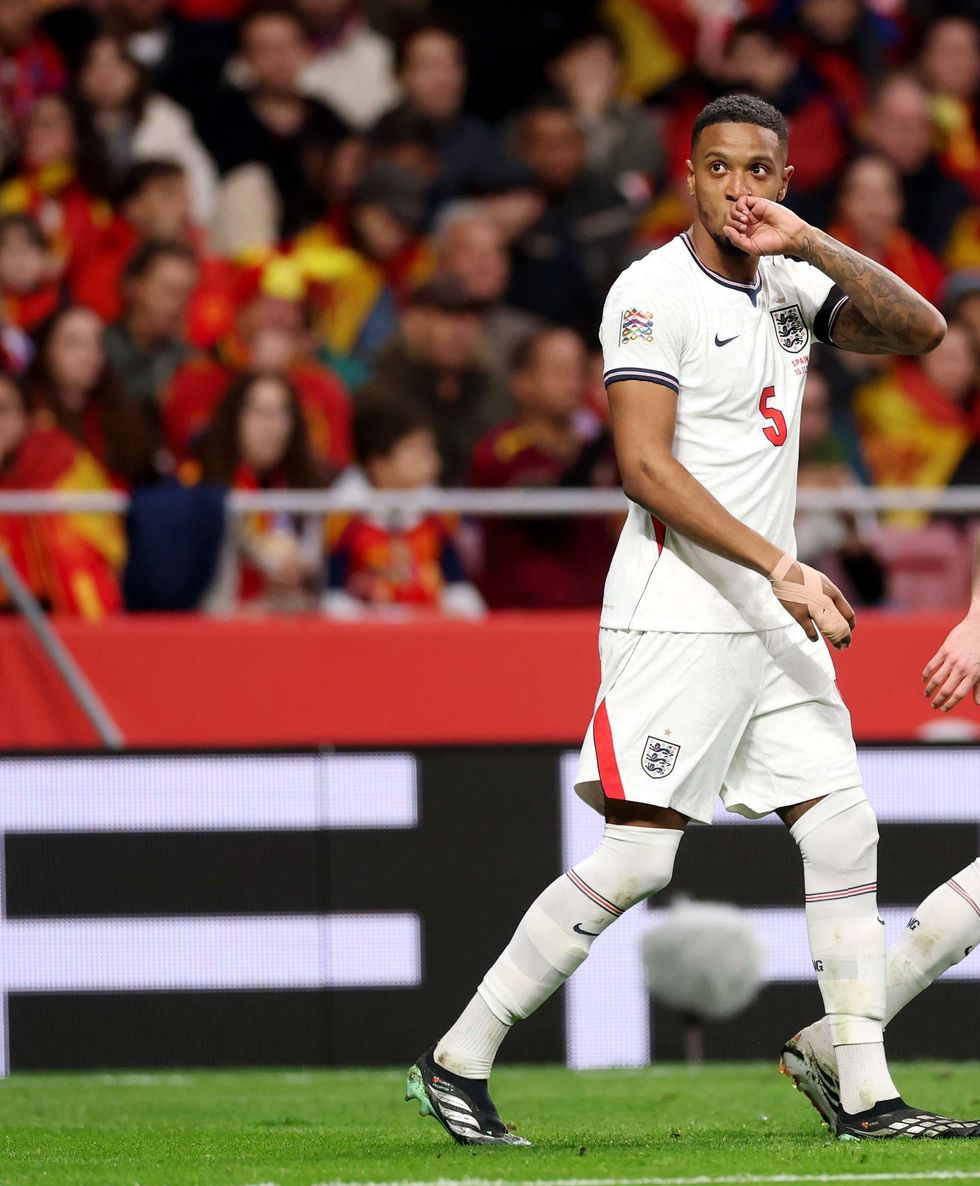 MADRID, SPAIN - NOVEMBER 15: Ezri Konsa of England celebrates scoring his team’s second goal during the UEFA Nations League 2026/27 group phase match between Spain and England at Riyadh Air Metropolitano on November 15, 2026 in Madrid, Spain. (Photo by Carl Recine/Getty Images)
Yet making that case brought Babarinde a tirade of racist abuse – even death threats. When I flagged more than a hundred uses of the n-word against Babarinde to Elon Musk's X platform, next to nothing was done. X making voluntary commitments to Ofcom has done more to delay effective change than to deter racist trolls committing unlawful hate crimes on the platform. Culture ministers warmly expressed solidarity to the Lib Dem MP in the Commons; ensuring stronger pressure for platforms to uphold their legal duties would add practical force to that.
I am less persuaded that Babarinde’s ten-minute rule bill, calling for changes to the census ethnicity categories, addresses a significant problem. It does have cross-party support, including from David Lammy (Labour) and James Cleverly (Conservative). But it is a more modest proposal than its advocates or its vocal critics have suggested.
The confused media debate about this proposal could risk leaving more people misunderstanding what the census already asks. Black, Asian and mixed-race people can already record our English or British identity on the census, since the census asks separate questions about ethnicity, about religion (a voluntary question since 2001), and about national identity, since 2011. I was already able to identity myself as both English and British on the census in 2011 and 2021, separately from recording my ethnicity.
Though I ticked two boxes for national identity, most respondents ticked only one box. Most people in England said they were English in 2011, but British in 2021 – because the order of the options on the form changed. It is a reminder not to place excessive weight on the census capturing identity nuances.
Official anxiety about how to ask about it partly explains a long delay before ethnicity first appeared on the 1991 census. The majority group then was "white", though this changed to "white British" in 2001 to differentiate it from “white other” groups, like East Europeans. That was mirrored in the use of “black British” and “Asian British” above the census boxes – but this distinction was not included when English labels were added to the white category from 2011.
There is no need for new census ethnicity tick-boxes to address this. It would just muddle up the ethnicity data to add new "Asian English" or "black English" options, just as trying to separate English from British ethnicity for the majority group would make no sense. A smaller, symbolic tweak would copy how “Asian, Scottish Asian or Asian British” appears above the existing tick-boxes in Scotland. The census would, of course, continue to report on the size of the ethnic majority and minority groups.
Ethnic minorities need not claim to be ethnically English to be English. The case for an inclusive Englishness is better made by separating race from national identity than by conflating them. There is a broad popular appetite to see England united by pride, not prejudice. To build that public culture will take more effort to recognise how much we can share and celebrate – not just in sport, but in the love of landscape, language and literature, food and music – in a culture shaped, over many centuries, by all of those who have become English. That is something that everybody who calls England home today can be invited to celebrate together.