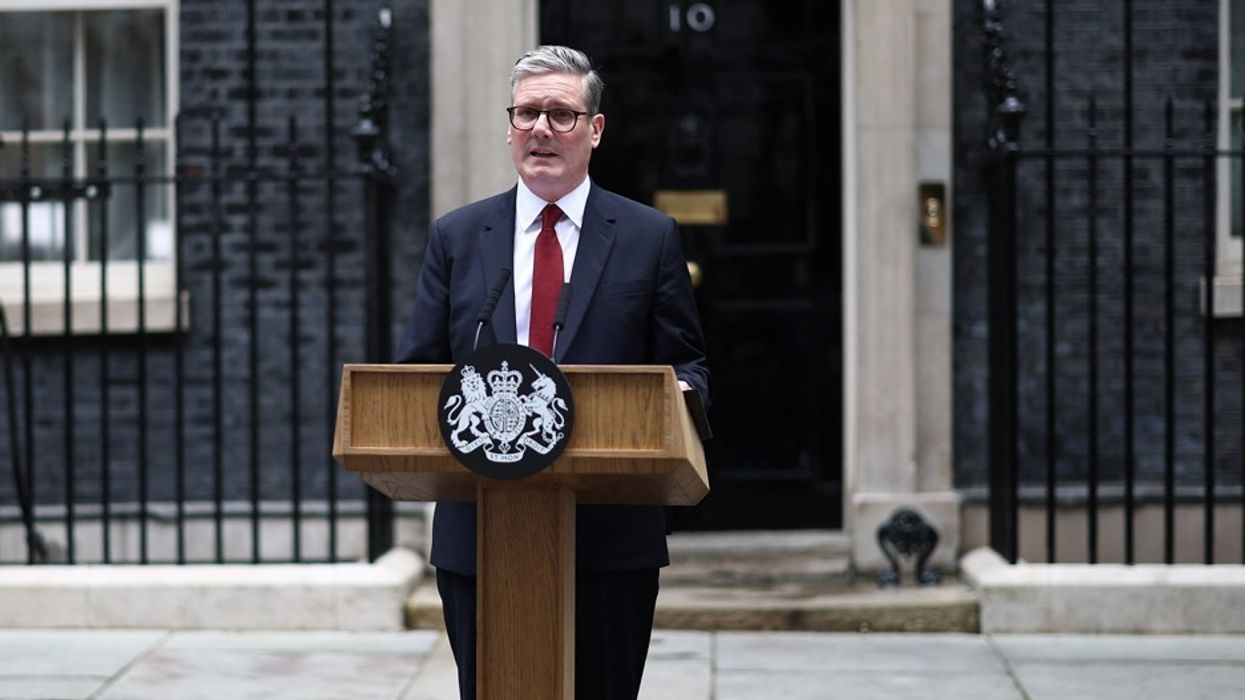

KEIR STARMER's to reduce net migration has been delayed until after the local elections in May due to a lack of cabinet consensus and concerns from businesses affected by new US tariffs, according to a report.
In November, the prime minister had pledged to tighten immigration rules after official figures showed net migration reached nearly one million in 2023.
The figure fell to 728,000 in the year to June 2024. Starmer has promised to bring it down significantly before the next election.
The Office for Budget Responsibility has forecast net migration will settle at about 340,000 by 2030.
Downing Street had previously said an immigration white paper would be published “early in the new year”, and departments were told it would be released before the Easter recess. However, government sources have now told The Times the publication has been postponed until after the local elections.
The plans will include reforms to the points-based immigration system requiring employers to train domestic workers if hiring from overseas.
The Home Office has raised concerns that immigration is largely dominated by lower-paid workers and foreign students. It wants work visas to target sectors key to economic growth.
Analysis by Centuro Global has found that less than one-third of UK visas go to high-skilled professionals in key sectors identified in the government’s industrial strategy.
Disagreement has emerged between home secretary Yvette Cooper and education secretary Bridget Phillipson over further restrictions on overseas students, The Times reported.
Cooper is said to have proposed measures requiring foreign graduates to leave the UK unless they secure a graduate-level job. The government is also considering raising the salary threshold for post-study work visas.
Concerns have been raised about students switching to low-paid jobs to stay in the UK. The Home Office published figures last week showing 16,000 asylum claims were made by foreign students.
Universities UK chief executive Vivienne Stern told The Times that the graduate route is essential to attracting international students and supports nearly £40 billion in economic value. She said: “Any change designed to cut international student numbers would be an act of economic self-harm.”
A government spokesperson said: “Under our Plan for Change, our upcoming Immigration White Paper will set out a comprehensive plan to restore order to our broken immigration system, linking immigration, skills and visa systems to grow our domestic workforce, end reliance on overseas labour and boost economic growth.”
They added: “We will always welcome international students as a key part of our world-class higher education system.”