
Highlights
- Ramayana: Part 1 has earned approximately £128 million worldwide in its first 12 days, according to industry tracker Sacnilk.
- The two-part epic reportedly has a combined budget of around £370 million, including production, release and promotional costs.
- Producer Namit Malhotra is looking beyond cinema ticket sales to generate returns from the ambitious project.
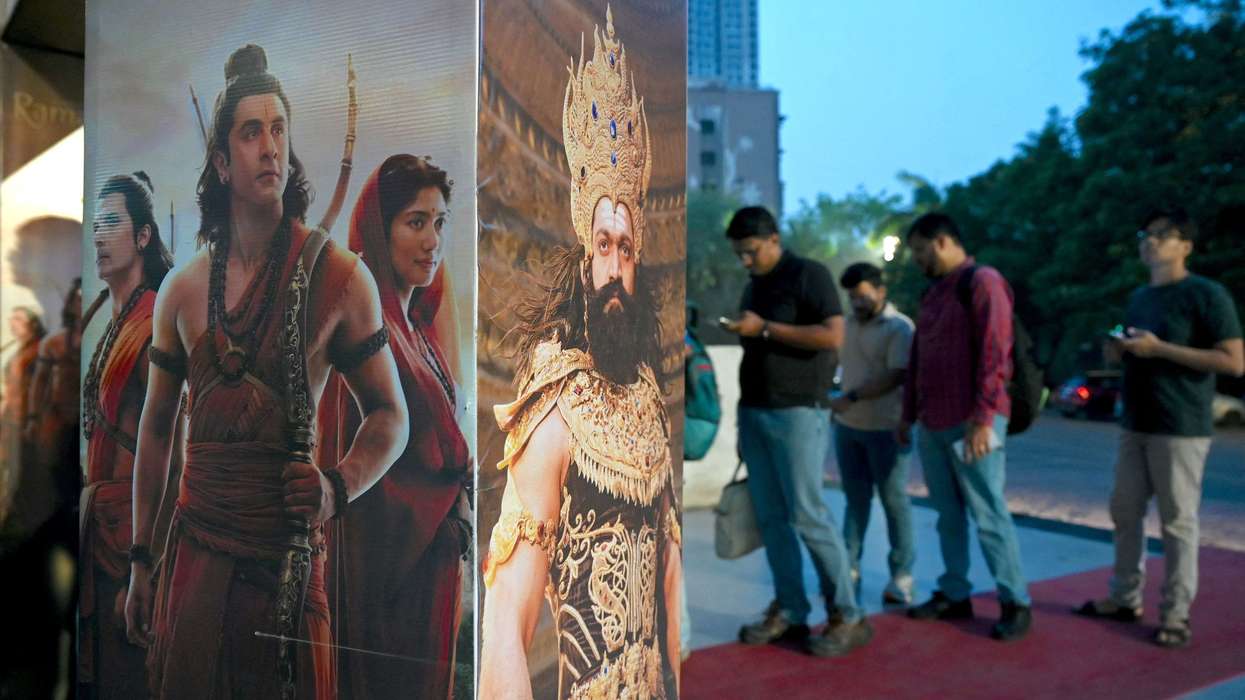
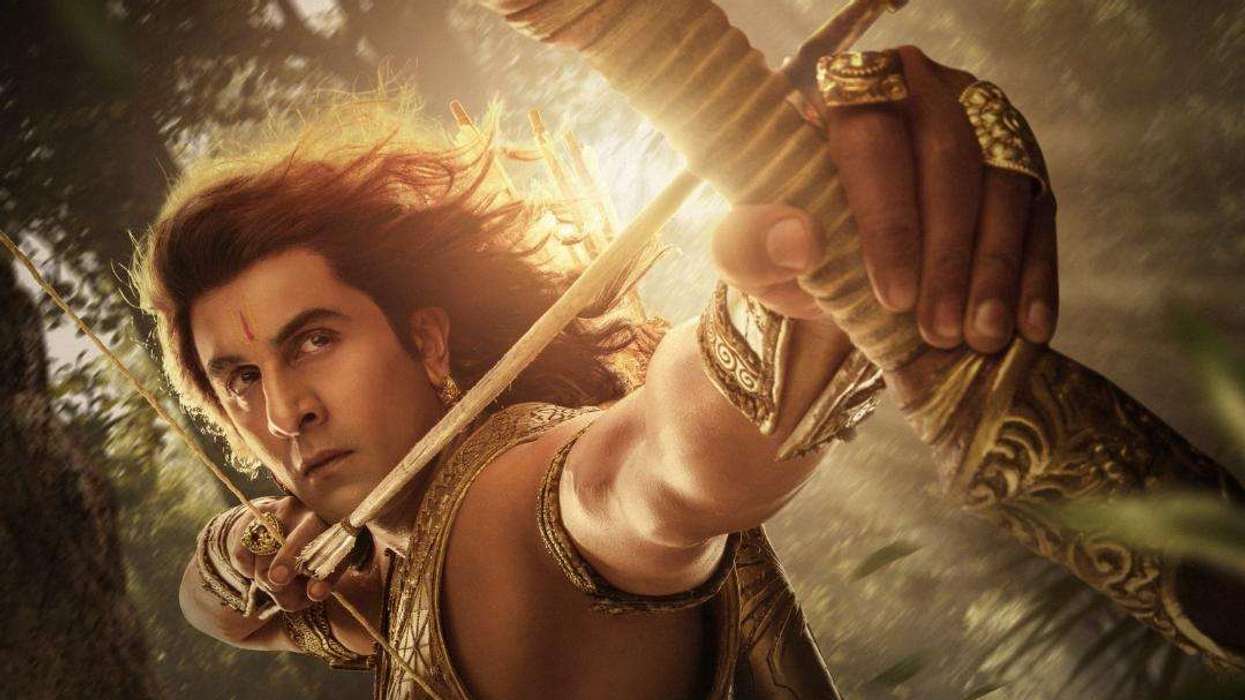
Ramayana: Part 1, directed by Nitesh Tiwari and starring Ranbir Kapoor, Sai Pallavi and Yash, has reportedly been made on a budget of around £185 million. The two-part project is estimated to cost approximately £370 million, according to producer Namit Malhotra.
According to industry tracker Sacnilk, the first instalment has collected approximately £128 million in worldwide gross revenue in 12 days, as of November 16. Its net collection in India stands at around £71 million.
India News Live
How much does Ramayana need to recover its budget?
The reported £370 million budget covers both instalments, rather than just the first film. Yash, who plays Ravana and is also a co-producer, previously clarified that the figure includes production, worldwide release and promotional expenses.
Speaking at a promotional event in Bengaluru in October, he explained that the makers were following a global business model, where significant amounts are also spent on marketing to reach international audiences.
He said the investment was necessary to establish Indian cinema in the global market, adding that the revenue potential was international as well.
However, box-office collections cannot be directly compared with production budgets to determine profitability. Cinemas, distributors and other partners receive shares of ticket sales, while marketing expenses and other costs also affect the final returns.
An estimate published by Rediff suggested that Ramayana: Part 1 could need around £463 million in worldwide theatrical gross to break even on its reported £185 million budget alone. This is based on an industry rule of thumb and is not an official target set by the makers.
Rediff.comNamit Malhotra's plans go beyond box-office collections
Producer Namit Malhotra believes the commercial potential of Ramayana extends beyond cinema tickets.
In an interview with CNN, he explained that the project was not being judged solely on its theatrical earnings.
“I'm not motivated by the bean-counter logic of, 'How much money did we make or not make.' If we don't make money with the movies, we'll make it in the merchandise. If we don't make it in the theme park, we'll make it some other way,” he said.
Malhotra also defended the scale of the investment, saying the epic needed to be made with the resources, cast, director and music associated with major Hollywood productions.
“Until we do that, we will always be the have-nots. We will always feel like we tried and we didn't get there,” he added.
Rediff.comThe strategy reflects the ambition to turn the adaptation into a wider entertainment property, with opportunities in merchandise, theme parks, gaming and other experiences.
Ramayana's global ambitions and second instalment
The makers have also focused on taking the film beyond its domestic audience. According to Prime Focus's investor presentation dated November 15, Ramayana: Part 1 received a theatrical release across more than 130 countries and had crossed £92 million in worldwide gross collections during its opening week.
The presentation also said the film was yet to open in more than 10 international markets, including China, offering further opportunities for overseas earnings.
Written Orders AvailableThe second instalment is scheduled to arrive in 2028 and is expected to expand the story with further large-scale sequences.
Alongside Ranbir Kapoor as Rama, Sai Pallavi as Sita and Yash as Ravana, the films feature an ensemble cast including Sunny Deol, Ravie Dubey and Mammootty.
With the first instalment already recording a substantial worldwide collection, the makers will be looking to sustain audience interest across international markets and build on the franchise's commercial potential before the sequel arrives.