
Skip to content
Search

Latest Stories

Submit Guest Post

Reeves reviewing over 100 tax and spending options ahead of budget

The Office for Budget Responsibility (OBR) has handed Reeves its latest economic forecasts, including a £20 billion downgrade in productivity.

Rachel Reeves

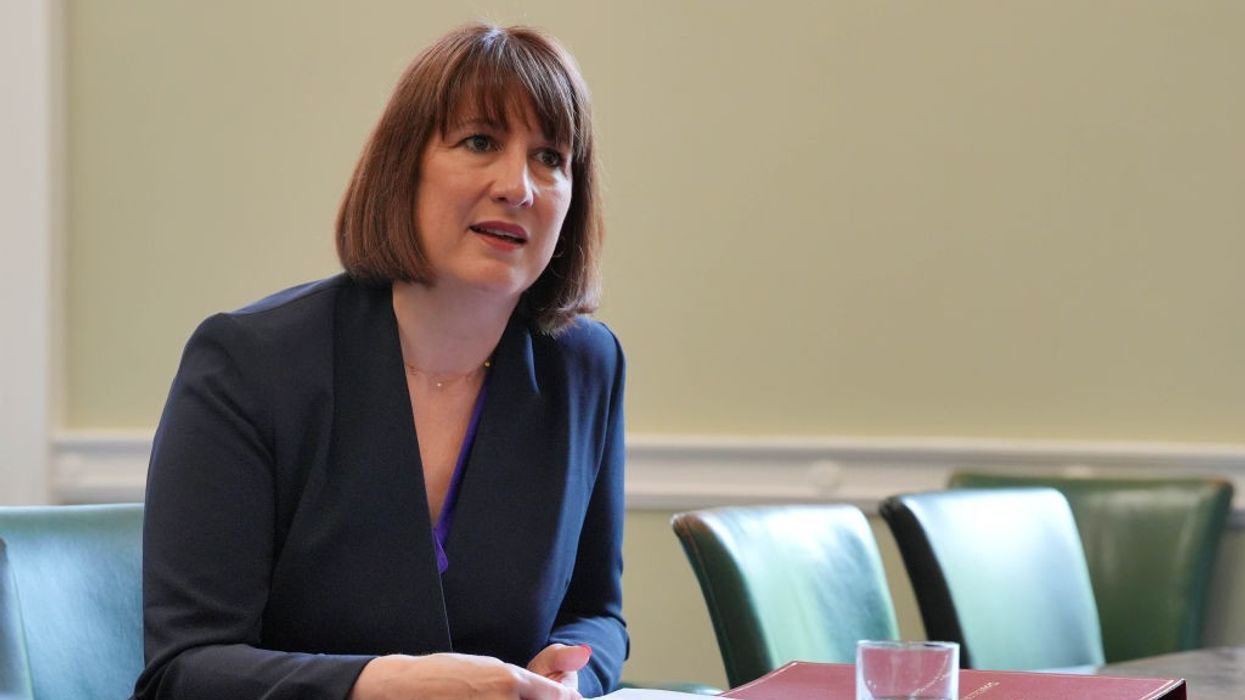
Chancellor Rachel Reeves is weighing over 100 tax and spending options to address a £30 billion fiscal gap ahead of the budget.

Getty Images

CHANCELLOR Rachel Reeves is considering more than 100 tax and spending measures for the 26 November budget as the government seeks to close a £30 billion fiscal gap, according to reports.

Transport secretary Heidi Alexander told Times Radio that Labour would continue to support “working people” and those “working hard on modest incomes”. She said: “What we have always said is that we’re a party that wants to make sure that people who are working hard on modest incomes, working people, that we make sure that we’re getting more money in their pocket, that they are seeing their living standards rise.”


The Office for Budget Responsibility (OBR) has handed Reeves its latest economic forecasts, including a £20 billion downgrade in productivity. However, it has upgraded projections for GDP growth and reduced expected debt interest payments due to lower gilt yields.

A government source told The Times there was still “a lot of back and forth” with the OBR over growth measures and that around a hundred tax and spending options remained under consideration, including potential changes to income tax.

Defence secretary John Healey said weaker forecasts would have “consequences” but declined to confirm whether Labour would maintain its pledge not to raise income tax, national insurance or VAT.

Reports suggest Treasury officials have been asked to protect the lower two thirds of earners, which could leave those earning above £45,000 exposed.


Add EasternEye As Your Trusted Source
preferred source on google news

More For You

UK-EU Deal

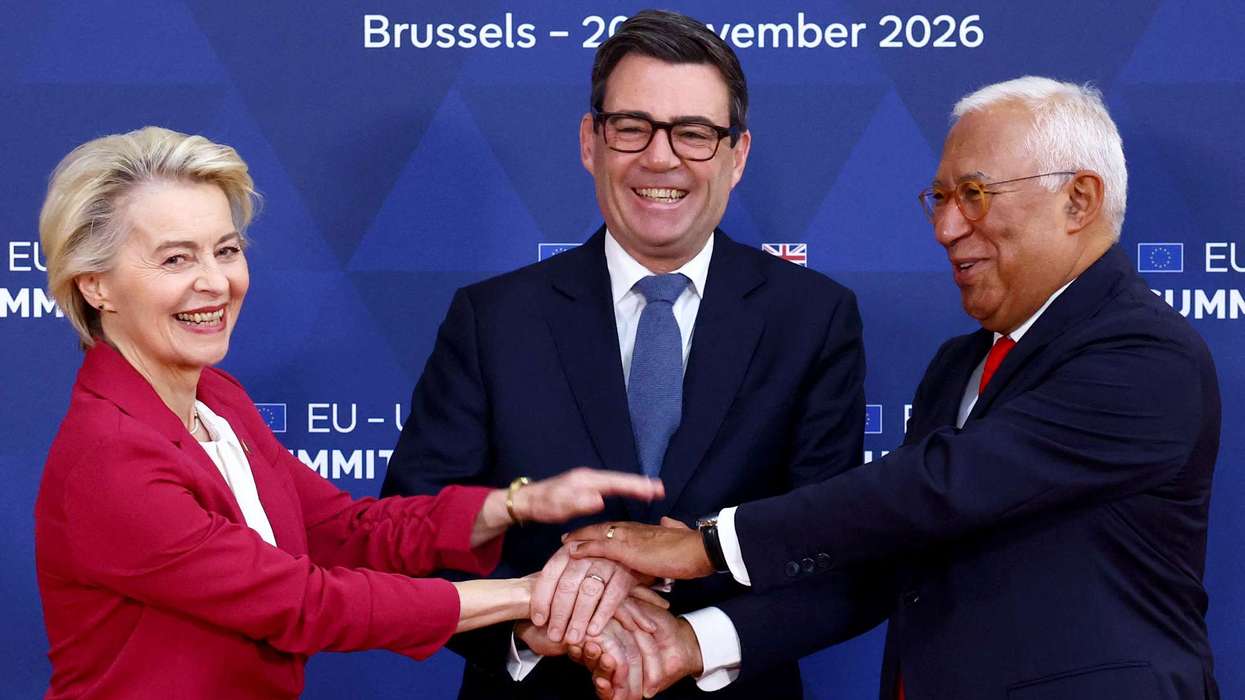
British Prime Minister Andy Burnham (C) poses with European Commission President Ursula von der Leyen (L) and European Council President Antonio Costa (R) as he arrives at the EU Council for a EU-UK Summit,

Getty Images

A decade after Brexit, Britain is rewriting its relationship with Europe. What has changed?

  • A food trade agreement due in 2028 aims to remove most health certificates and border checks on goods moving between Britain and the EU.
  • A new youth scheme will give 100,000 people from each side, aged 18 to 31, the opportunity to live, work and study across the Channel.
  • The government estimates the package could add around £17 billion a year to the UK economy by 2040.

Britain is taking another step towards closer relations with the European Union, a decade after the referendum that set it on the path to leaving the bloc.

At a summit in Brussels on Friday (20), Prime Minister Andy Burnham and European leaders agreed a package covering food trade, carbon markets, youth mobility and security cooperation. The agreements are intended to reduce some of the practical barriers created by Brexit while giving businesses and younger people greater access to opportunities across Europe.

Keep ReadingShow less