
Skip to content
Search

Latest Stories

Reeves says both tax and spending options on table for budget

Economic analysts estimate that Reeves may need to raise about £30 billion through tax measures, after government borrowing costs rose more than anticipated and plans to reduce welfare spending were dropped.

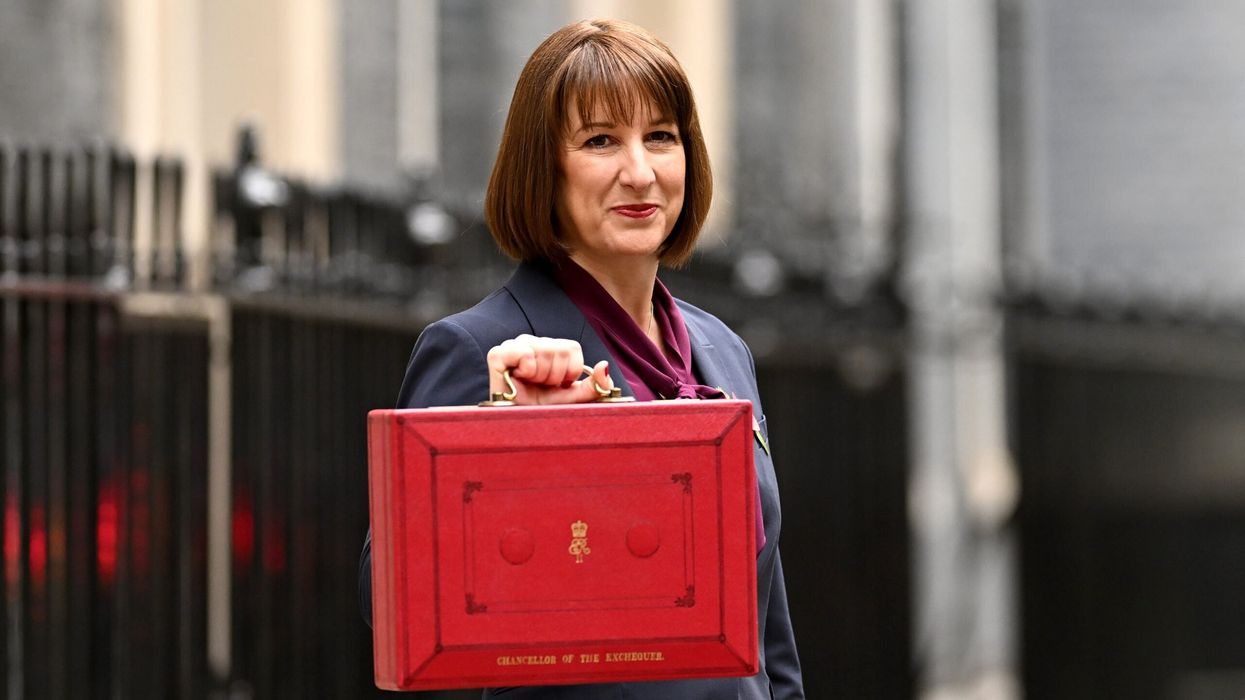
Rachel Reeves

Reeves has said repeatedly that she is committed to 'economic responsibility' and will maintain her fiscal rules, including her main goal of balancing day-to-day public spending with tax revenues by 2030. (Photo: Getty Images)

Highlights

  • Reeves says both tax rises and spending cuts are being considered for the Nov 26 budget
  • Economic analysts estimate a potential £30 billion gap to be filled through tax measures
  • Government borrowing costs have risen and welfare spending cuts have been dropped
  • Growth forecasts are expected to be revised downwards

CHANCELLOR Rachel Reeves has said she is looking at both tax increases and spending cuts for the upcoming budget on November 26, confirming expectations that she will take steps to balance the country’s finances.

Economic analysts estimate that Reeves may need to raise about £30 billion through tax measures, after government borrowing costs rose more than anticipated and plans to reduce welfare spending were dropped. Growth forecasts are also expected to be revised downward.


“Challenges are being thrown our way... I won't duck those challenges,” Reeves told Sky News on Wednesday.

“Of course, we're looking at tax and spending as well, but the numbers will always add up with me as chancellor.”

Reeves has said repeatedly that she is committed to “economic responsibility” and will maintain her fiscal rules, including her main goal of balancing day-to-day public spending with tax revenues by 2030.

Before the general election in July 2024, Labour had pledged not to raise value added tax (VAT), national insurance contributions, or the rates of income tax. However, there has been increasing speculation that those commitments could be reconsidered as the government works to meet its fiscal targets.

The chancellor’s comments come as the Treasury prepares for what is expected to be a closely watched budget statement outlining the government’s next economic steps.

More For You

homelessness

2.7 per cent of private rented properties in England are affordable for people receiving housing benefit.

Getty Images

Nearly 300,000 families face worst forms of homelessness in England, research shows

Highlights

  • 299,100 households experienced acute homelessness in 2024, up 21 per cent since 2022.
  • Rough sleeping and unsuitable temporary accommodation cases increased by 150 per cent since 2020.
  • Councils spent £732 m on unsuitable emergency accommodation in 2023/24.


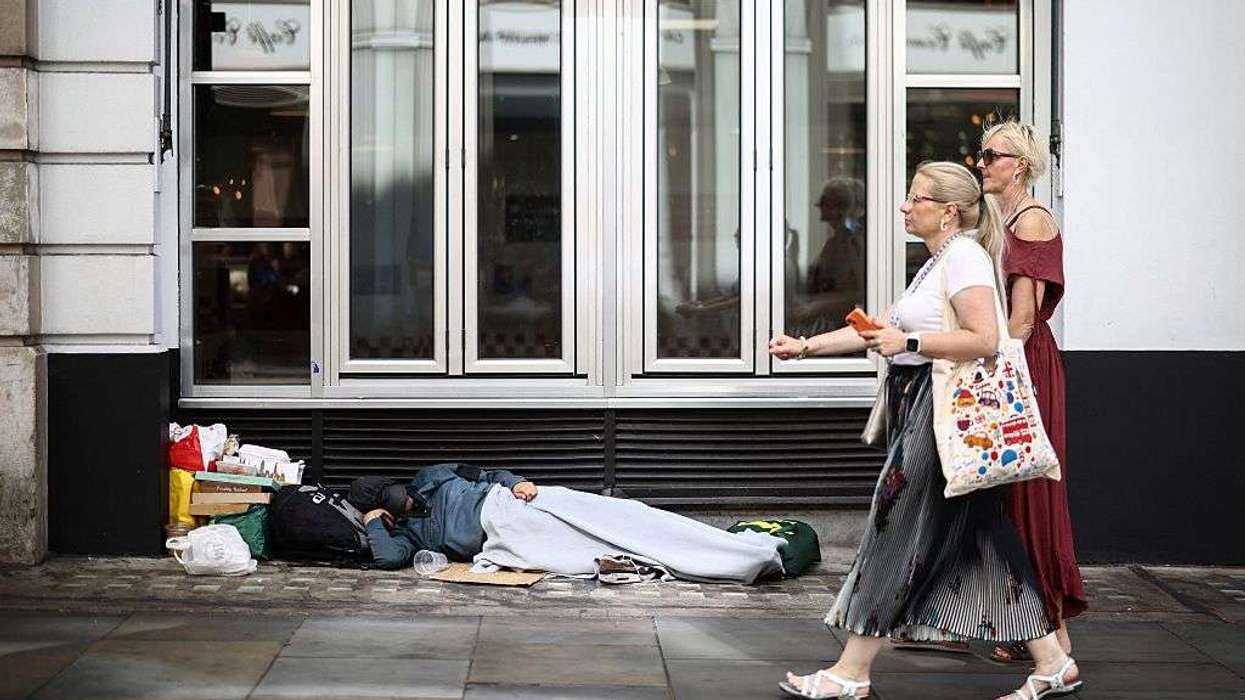
Almost 300,000 families and individuals across England are now experiencing the worst forms of homelessness, including rough sleeping, unsuitable temporary accommodation and living in tents, according to new research from Crisis.

The landmark study, led by Heriot-Watt University, shows that 299,100 households in England experienced acute homelessness in 2024. This represents a 21 per cent increase since 2022, when there were 246,900 households, and a 45 per cent increase since 2012.

More than 15,000 people slept rough last year, while the number of households in unsuitable temporary accommodation rose from 19,200 in 2020 to 46,700 in 2024. An additional 18,600 households are living in unconventional accommodation such as cars, sheds and tents.

A national survey found 70 per cent of councils have seen increased numbers approaching them for homelessness assistance in the last year. Local authorities in London and Northern England reported the biggest increase.

Keep ReadingShow less