
HIGHLIGHTS
- Labour government unveils tax-raising budget to reduce debt and fund public services
- Freeze on income-tax thresholds to push more workers into higher tax brackets
- OBR says growth will exceed this year’s forecast but slow between 2026 and 2029
- Budget includes higher gambling levies, luxury property tax and support measures such as rail fare and prescription charge freezes
THE LABOUR government on Wednesday presented a tax-raising budget aimed at reducing debt and funding public services, while confirming that the economy is set to grow less than previously expected over the next few years.
Before the budget, prime minister Keir Starmer said he would work to reduce National Health Service (NHS) waiting times and address the cost-of-living crisis, as Labour seeks to strengthen its position with Reform UK gaining in the polls.
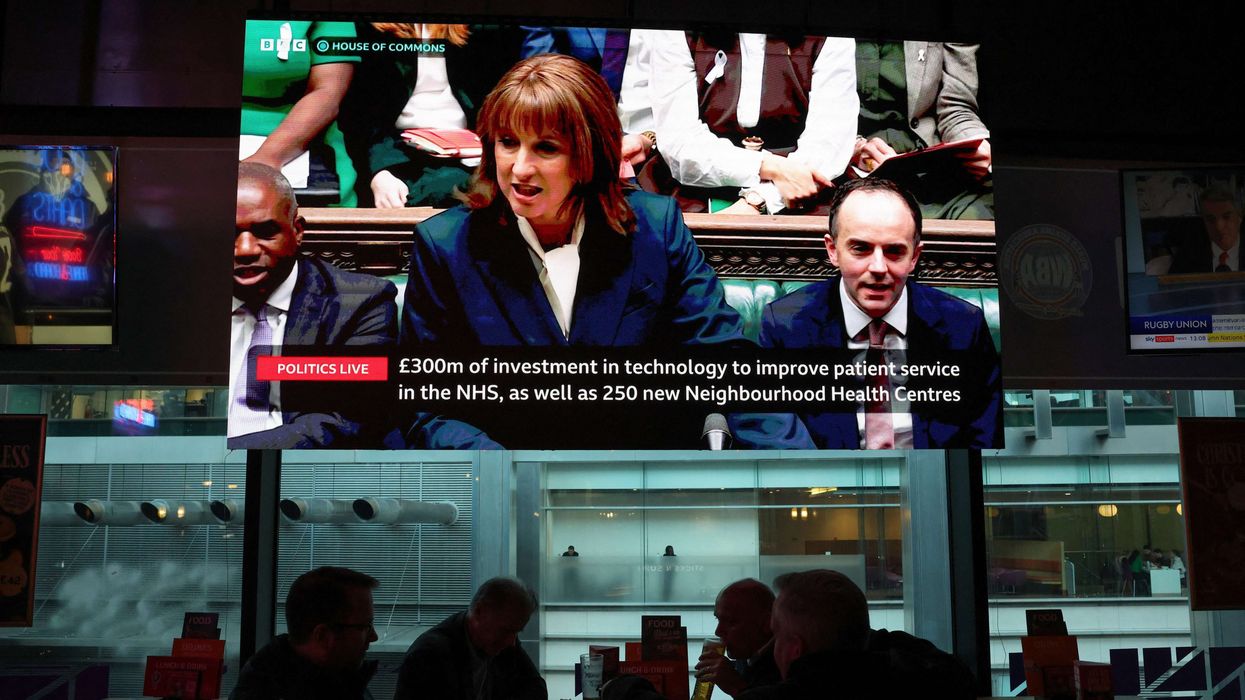
Chancellor Rachel Reeves, who raised taxes on businesses in her first budget last year, introduced new increases on Wednesday that will affect workers.
Official figures showed the measures will bring in tens of billions of pounds, including an additional £30 billion in taxes in 2030-2031.
A freeze on income-tax thresholds will drive much of the increase, pushing more workers into higher tax brackets and breaking commitments made in Labour's budget last year after the party won the general election.
“These are my choices, not austerity, not borrowing, not turning a blind eye to unfairness,” Reeves told parliament Wednesday. “My choices are a budget for fair taxes, strong public services, and a stable economy,” she said, as the government faces a £20-billion gap in public finances.
The budget also included higher levies for online gambling, a tax on luxury properties, a mileage-based charge on electric cars, and a cap on pension benefits.
Most of the announced measures are scheduled to take effect in 2028, near the end of the current parliament.
Reeves also announced spending measures worth billions of pounds, including the removal of the two-child benefit cap and above-inflation increases to the minimum wage and pensions.
There were freezes on rail fares and prescription charges, along with reductions in energy bills.
The Office for Budget Responsibility (OBR) said in a report released shortly before Reeves’s statement that Britain is on track to exceed this year’s growth forecast, but is expected to slow more than earlier projected between 2026 and 2029.
Britain continues to face a deficit close to five per cent of gross domestic product (GDP), along with high inflation and rising unemployment.
The OBR report, suggesting Reeves is set to increase budget headroom, lifted market sentiment, pushing the pound higher and nudging bond yields slightly lower.
“I said I would cut the cost of living, and I meant it, this budget will bring down inflation and provide immediate relief for families,” Reeves told MPs.
Since returning to power in July 2024 after 14 years of Conservative rule, Labour has struggled to secure consistent economic growth.
Reeves raised a tax on businesses in her first budget last year, a step that has been linked to weak economic performance.
Policy reversals have also affected the standing of Starmer and Reeves, including changes to plans on disability benefits and fuel payments for pensioners after resistance from Labour backbenchers.
Ahead of the budget, the health department confirmed that the sugar tax would be extended to include pre-packaged milkshakes and other milk-based drinks.
(With inputs from agencies)