
Highlights
- Amandeep Dhillon says access, visibility and long-term support remain key challenges for emerging creatives
- Through Film Conclave, she wants to create stronger UK–India partnerships and industry pathways
- She believes south Asian storytelling in Britain is entering a more expansive and globally connected phase
From producing events to building creative ecosystems
For Amandeep Dhillon, creating opportunities in film goes far beyond developing projects or putting events together. Across her work as founder of ReelN, producer, curator, consultant and advocate, her focus has increasingly centred on creating spaces where creativity, industry and community can intersect.
Over the years, she has produced film events and talks at major venues including BAFTA, the BFI and the Houses of Parliament, while also supporting grassroots initiatives and community-led projects. Rather than seeing those spaces as separate, Dhillon believes both play an equally important role. Large institutions bring influence, infrastructure and visibility, while grassroots platforms often create direct engagement and conversations that feel more immediate and authentic.
That balance has shaped much of her wider work and understanding of the industry. Through producing, consultancy, curation and jury roles, she says she has gained different perspectives on how stories are developed, financed, selected and eventually received by audiences. Those experiences have also reinforced the idea that film industries function as interconnected ecosystems rather than isolated spaces.
Why south Asian storytelling in Britain is changing
Dhillon believes the landscape for south Asian cinema and storytelling in Britain has shifted considerably in recent years. Audiences are increasingly engaging with a broader range of stories and there is growing recognition that south Asian experiences cannot be reduced to a single narrative.
She points to the rise of regional south Indian cinema and changing audience habits as examples of that evolution. Streaming services, film festivals and community spaces have expanded access and introduced audiences to stories that may once have existed outside mainstream visibility.
For Dhillon, audiences are now seeking stories that feel culturally rooted and authentic while still speaking to broader human experiences. Rather than simplifying identity, she believes specificity and layered perspectives often create stronger connections. That shift has created opportunities for more diverse voices to emerge and be heard.
Film Conclave and creating UK–India opportunities
One of Dhillon’s most significant recent initiatives has been launching the first UK–India Film Co-Production Market through Film Conclave.
The project was driven by her belief that stronger collaboration between the two countries could unlock opportunities for filmmakers and emerging talent. She sees co-productions as a way of opening access to funding, mentorship, international networks and wider distribution opportunities that can otherwise feel difficult to reach.
For Dhillon, the opportunity extends beyond business and production structures. She believes UK–India partnerships can create space for stories shaped by diasporic identities, international experiences and cross-cultural perspectives.
Film Conclave, she says, was also designed to connect creatives directly with producers, exhibitors, distributors and decision-makers across both industries, helping bridge some of the structural barriers many emerging filmmakers continue to face.
Looking ahead to a more connected future
Looking ahead, Dhillon hopes ReelN continues expanding as a platform connecting storytelling, culture and community through international collaboration and talent development.
She would also like to see the wider industry become more inclusive, not simply through representation on screen but across leadership, commissioning and decision-making spaces. Diversity, she believes, should become embedded throughout the industry rather than treated as a temporary priority.
At the centre of that ambition is a broader goal: creating an industry where emerging voices feel supported, opportunities are easier to access and talent is not limited by geography.




 Pratik Dattani EPG
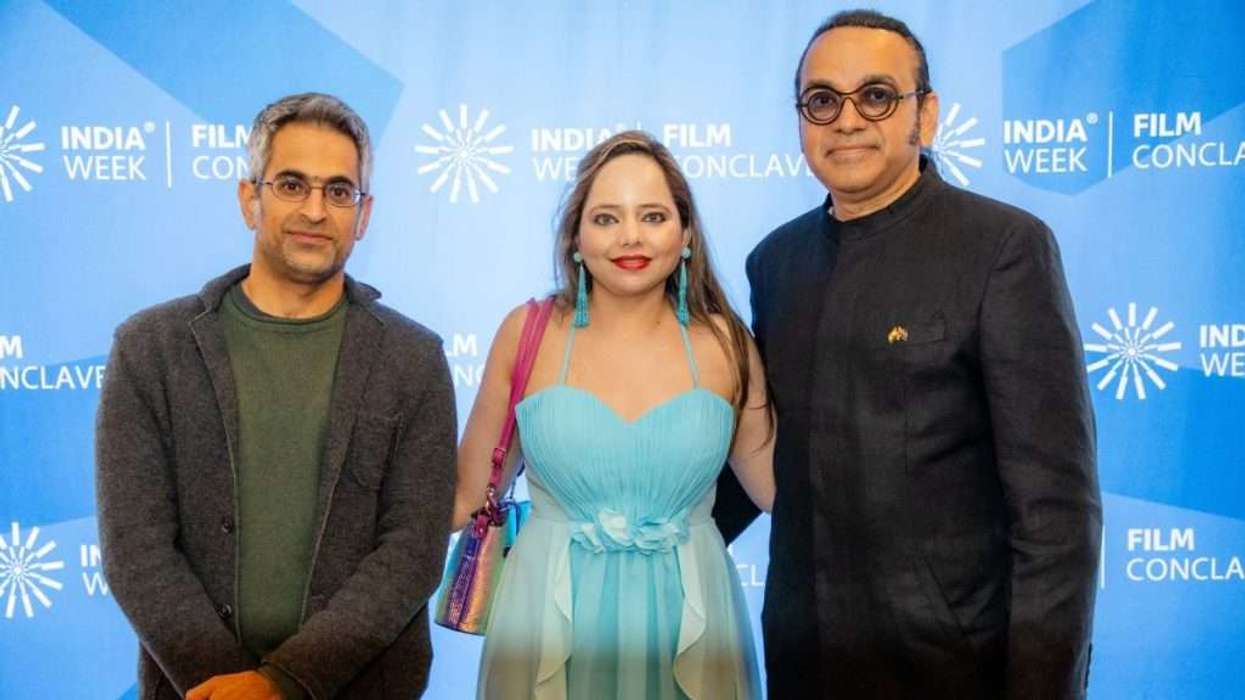
 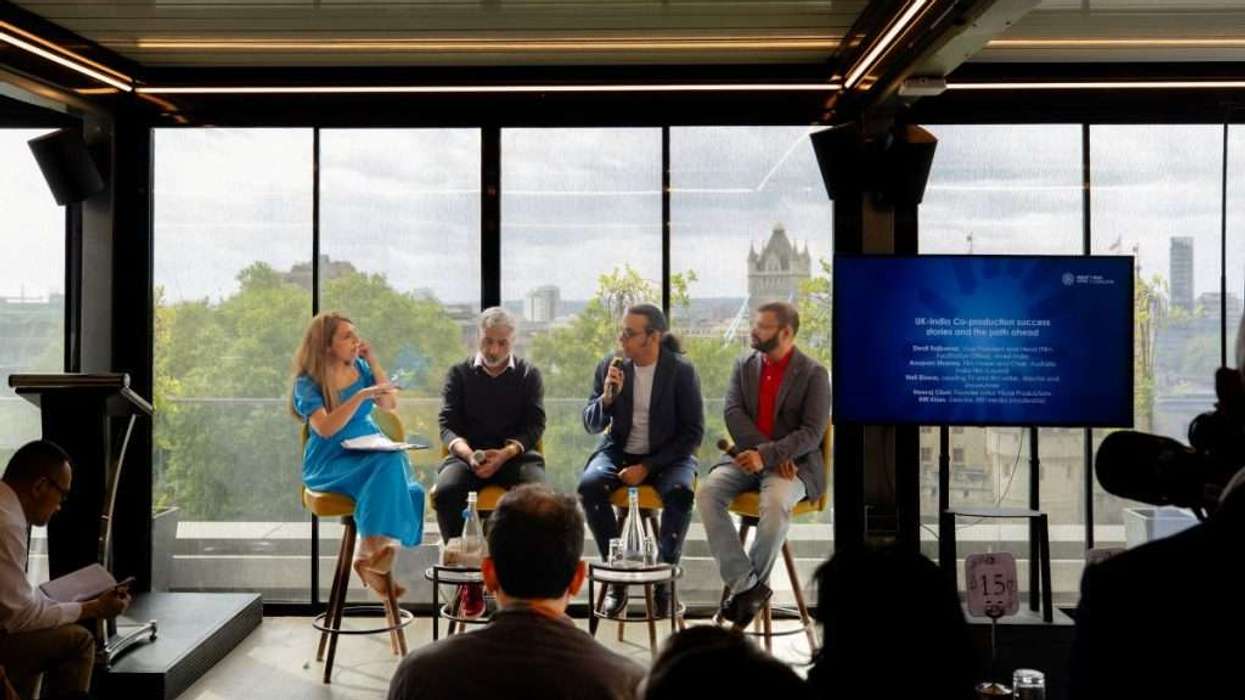 Highlights from Film Conclave 2025 EPG
  In 2026, he hopes to secure a UK independent cinema distribution deal after missing out last yearFilm Conclave