
Highlights
- Film Conclave, part of India Week, connects 16 filmmakers with financiers, distributors and producers
- Dattani said the biggest challenge is helping filmmakers and investors speak the same language.
- This year's selected projects span India, the UK, the US, Sweden and Germany.
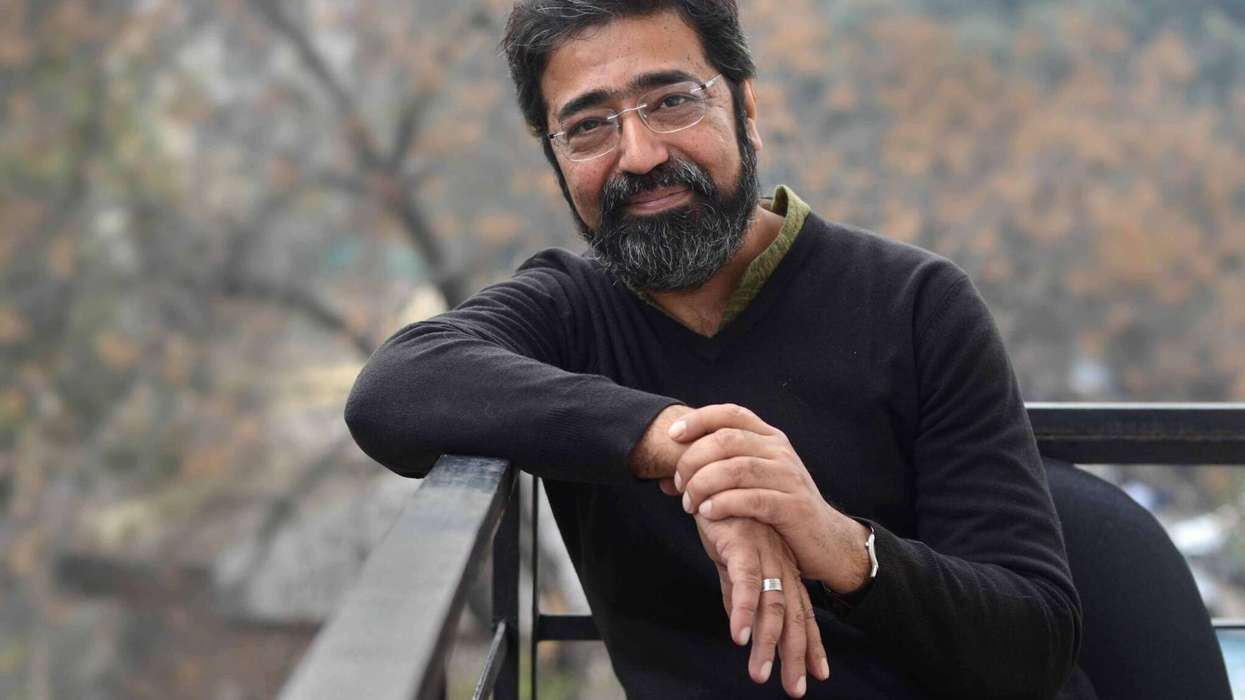
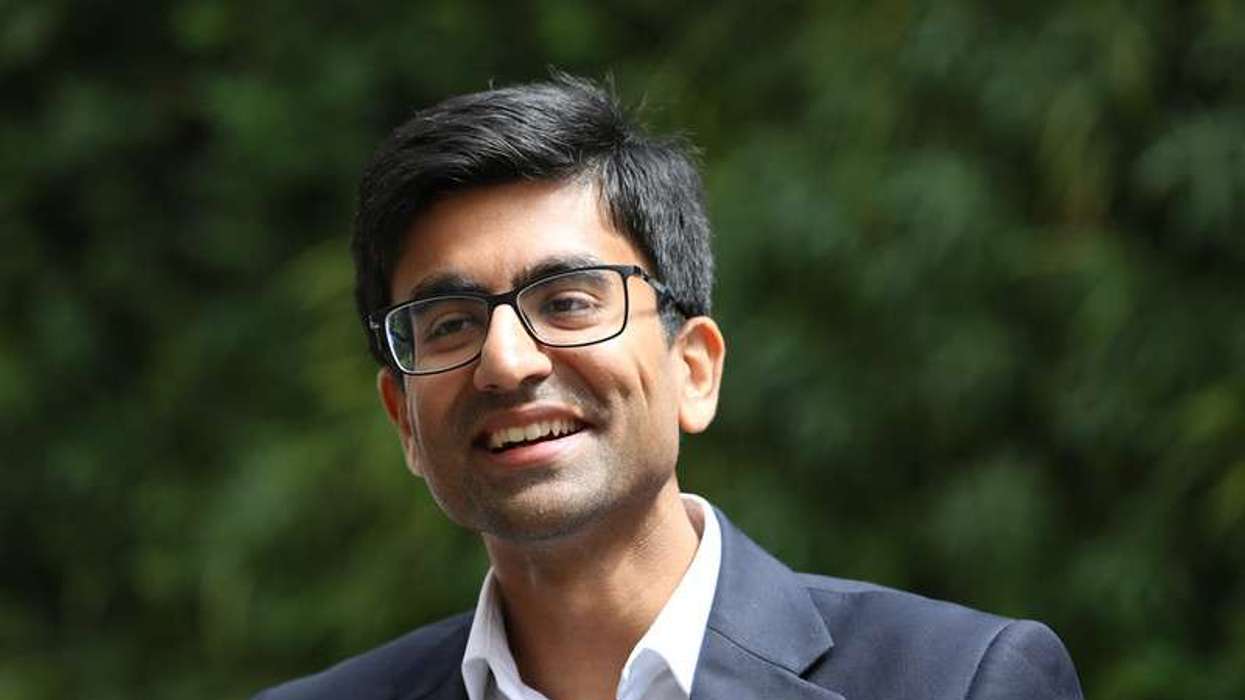 Pratik Dattani EPG
The Language gap
He believes an outside perspective is what the sector needs ,despite his background in economic consulting and policy.
"What I can spot is how to read a budget correctly, how to see if somebody spent too much money on something and how to segment the market as to who might be interested in these projects," he said.
Investors who are comfortable reading a pitch deck for a tech company often struggle when the same document comes from a filmmaker.
Valuations, growth projections and return on investment are well understood in the tech world.
In film, those same concepts exist but are presented very differently and filmmakers, absorbed in the creative process, do not always know how to frame their projects in the language a banker or lawyer wants to hear before writing a cheque.
"My role is very much bridging the two," he said.
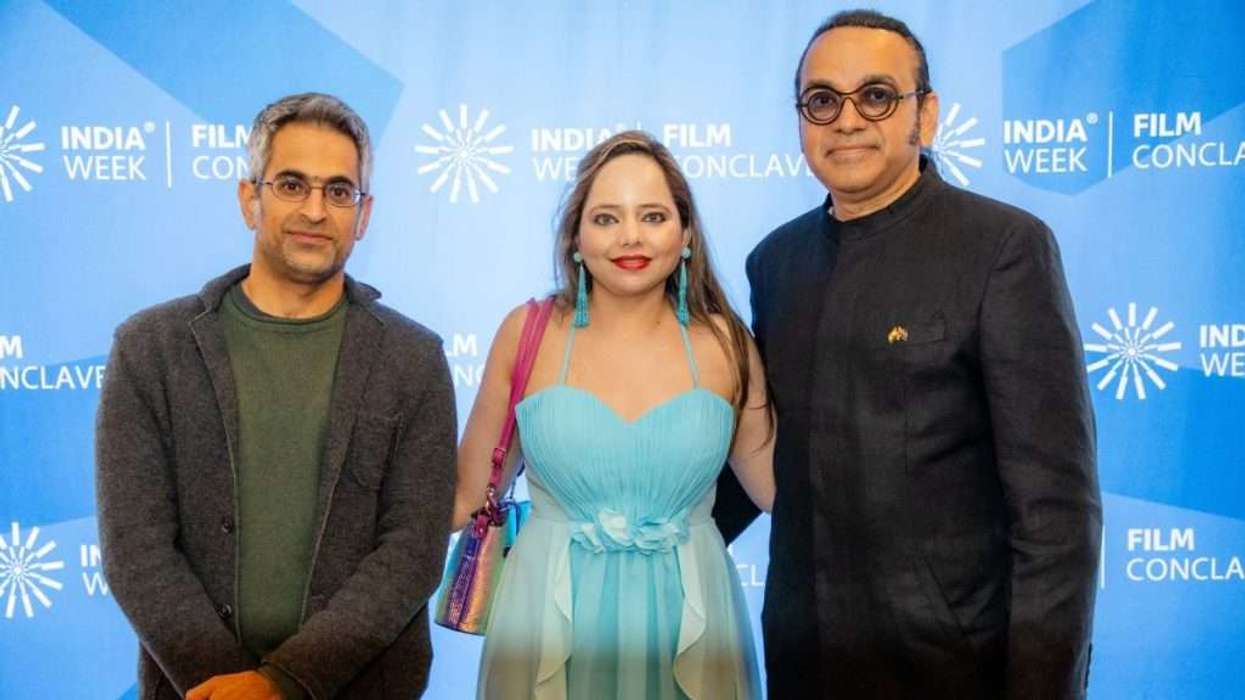
 Highlights from Film Conclave 2025 EPG
This year, Film Conclave selected 16 projects from India, the UK, the US, Sweden and Germany. Nine of the selected filmmakers are from India, reflecting the strong international character.
Each project is matched with four to six one-on-one meetings with mentors including production companies, distributors, financiers and tax credit specialists. One mentor has credits on several Mission:Impossible films.
Another is a senior figure from one of the world's two largest streaming platforms. The process is structured carefully.
Filmmakers receive a list of around 22 to 23 mentors with full bios, request the meetings they want and mentors accept or decline based on the project's budget and description.
On the day, each filmmaker receives a timetable telling them exactly which table to go to and who they are meeting at every slot.
"The win for me would be half of our filmmakers walking away with a production deal, a distribution deal, a promise of funding or at least a significantly better understanding of how to apply to a particular pot of funding," Dattani said.
UK-India film ties
On UK-India film collaboration, Dattani was straightforward. Indian productions have largely not taken advantage of co-production tax breaks available in Britain.
Though the recent announcement by Yash Raj Films to shoot three projects in the UK, made during prime minister Keir Starmer's visit to India, offered some encouragement.
 In 2026, he hopes to secure a UK independent cinema distribution deal after missing out last yearFilm Conclave
Even at that level, he noted, navigating the system is not easy which makes it harder still for smaller or mid-budget productions.
"The commercials have to add up," he said. "But once commercially viable projects happen more and more between the two countries, the cultural side will of course follow."
He noted that much of British Asian filmmaking is aimed at a narrow local audience and does not travel well, even to Indian communities in the US or Germany.
Indian productions built around heritage, partition or coming-of-age stories, by contrast have the potential to reach audiences worldwide.
There is also a practical issue around how UK co-production incentives work.
Dattani explained that accessing them typically requires a UK producer to guide the process and that incentives are more likely to be available for a slate of projects rather than a single film.
"If you sit in India and you try and do it, it is very, very difficult without that UK producer," he said.
Looking ahead
The first edition of Film Conclave drew attendees from around ten countries, among them Canada, Australia, Hong Kong and several European nations, all travelling on the strength of what the platform promised.
Dattani said the international response was more than he had anticipated and the strength of international submissions this year is, in his view, what is drawing the UK audience in.
He is also clear-eyed about what Film Conclave is not. Streaming platforms such as Netflix, Amazon and Disney follow their own internal commissioning processes and are unlikely to commit funding directly through an event like this.
But having filmmakers in the same room as commissioning editors from those platforms, as well as from Channel 4 and the BBC, opens doors that would otherwise remain firmly shut.
"If they tried to organise a meeting at Cannes, they would be three hundredth on the list," he said.
For 2026, he is hoping for an outcome that did not materialise last year: a distribution deal, particularly with independent cinemas across the UK.
Several projects in the current cohort have completed or are close to completing production and are looking for exactly that.
His selection criteria are clear: commercial viability comes first, then whether a project has already secured some funding and finally the strength and originality of the story itself.
"If we can help Indian-origin filmmakers across the world make money through Film Conclave and go far beyond what a film festival provides," he said, "that is the win for me."