
Highlights
- Yash says Geethu Mohandas brought a layered and different perspective to Toxic
- The actor resisted repeating the formula behind K.G.F: Chapter 2
- Toxic is being developed with a global outlook while remaining rooted in Indian storytelling
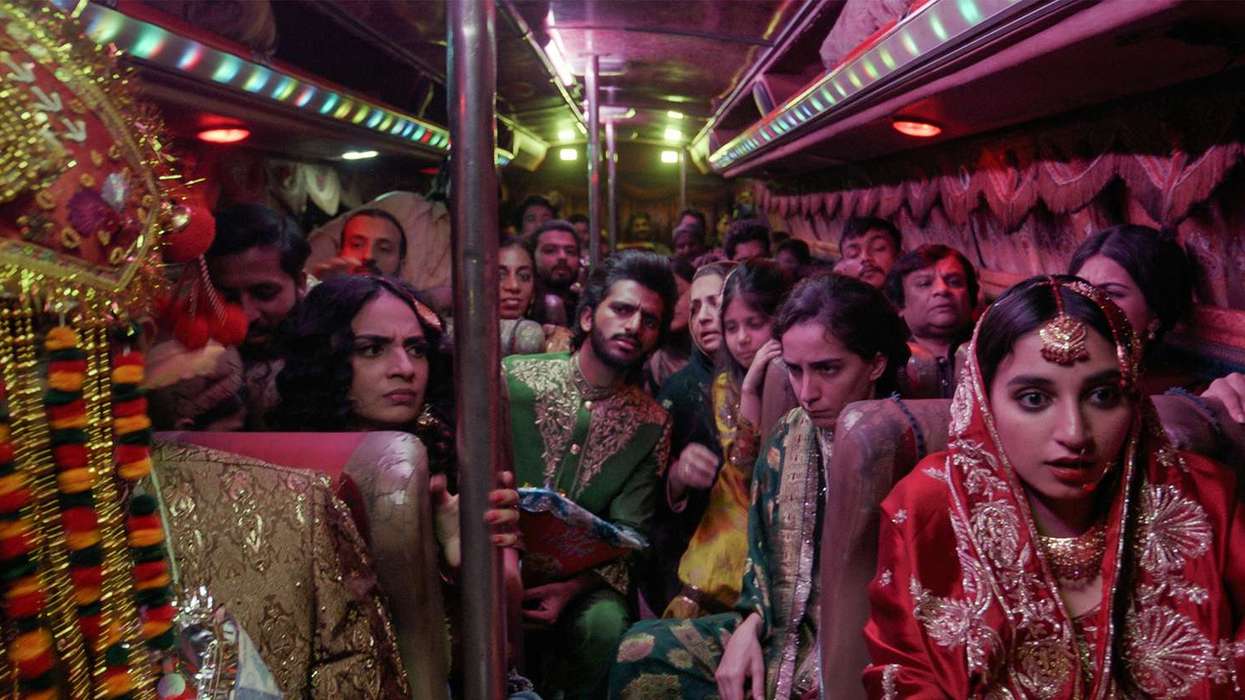
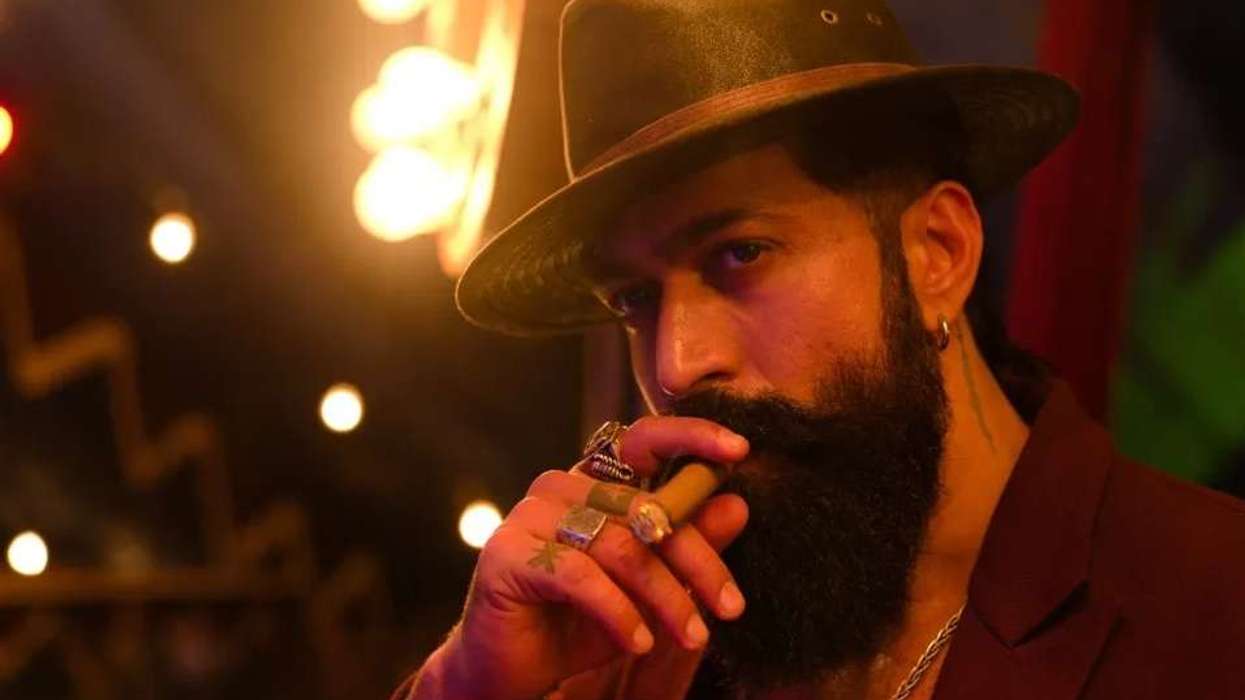
Four years after the success of K.G.F: Chapter 2, Yash is returning with Toxic: A Fairytale for Grown-Ups, but not in the way many expected. Instead of following a familiar path after one of India’s biggest box-office hits, the actor says he deliberately moved away from projects that felt designed to recreate past success. For Yash, Toxic became an opportunity to explore new ideas, challenge himself creatively and think about Indian cinema on a wider stage.
Moving away from formula and playing safe
Yash revealed that after K.G.F: Chapter 2, several ideas came his way that appeared to follow an expected pattern. Rather than capitalising on what had already worked, he was drawn to stories that demanded more thought and experimentation. That eventually led him to Geethu Mohandas and Toxic. While the film carries the visual language of a gangster drama, Yash explained that it also explores emotional complexity, moral ambiguity and darker aspects of human behaviour.
‘Men and women see life differently’
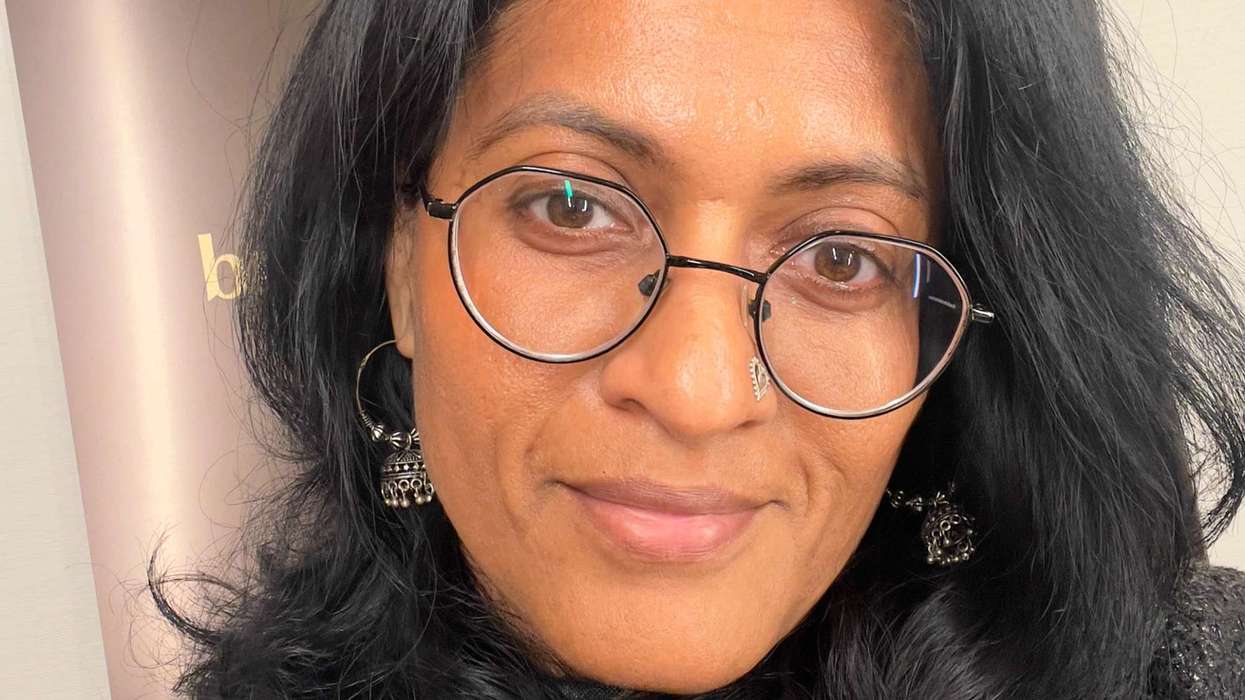
Speaking about his collaboration with Mohandas, Yash said working with a female filmmaker changed the way certain emotions and situations were approached. He noted that men and women often process experiences differently and pay attention to different emotional details. According to him, that shift in perspective brought a fresh energy to the film and created greater depth in the storytelling. He described the approach as more layered and said it introduced elements that might otherwise have been overlooked.
Taking Indian storytelling beyond borders
Yash also said Toxic is part of a broader ambition to help Indian stories reach international audiences without changing their core identity. Shot simultaneously in Kannada and English, the film features Nayanthara, Kiara Advani, Huma Qureshi, Rukmini Vasanth, Tara Sutaria and UK theatre actor Darrell D’Silva. Rather than using international elements as a marketing tool, Yash said the aim was always to build an authentic world and create a film that felt globally accessible while staying rooted in Indian storytelling traditions.