
Skip to content
Search

Latest Stories

Submit Guest Post

Reeves reviewing over 100 tax and spending options ahead of budget

The Office for Budget Responsibility (OBR) has handed Reeves its latest economic forecasts, including a £20 billion downgrade in productivity.

Rachel Reeves

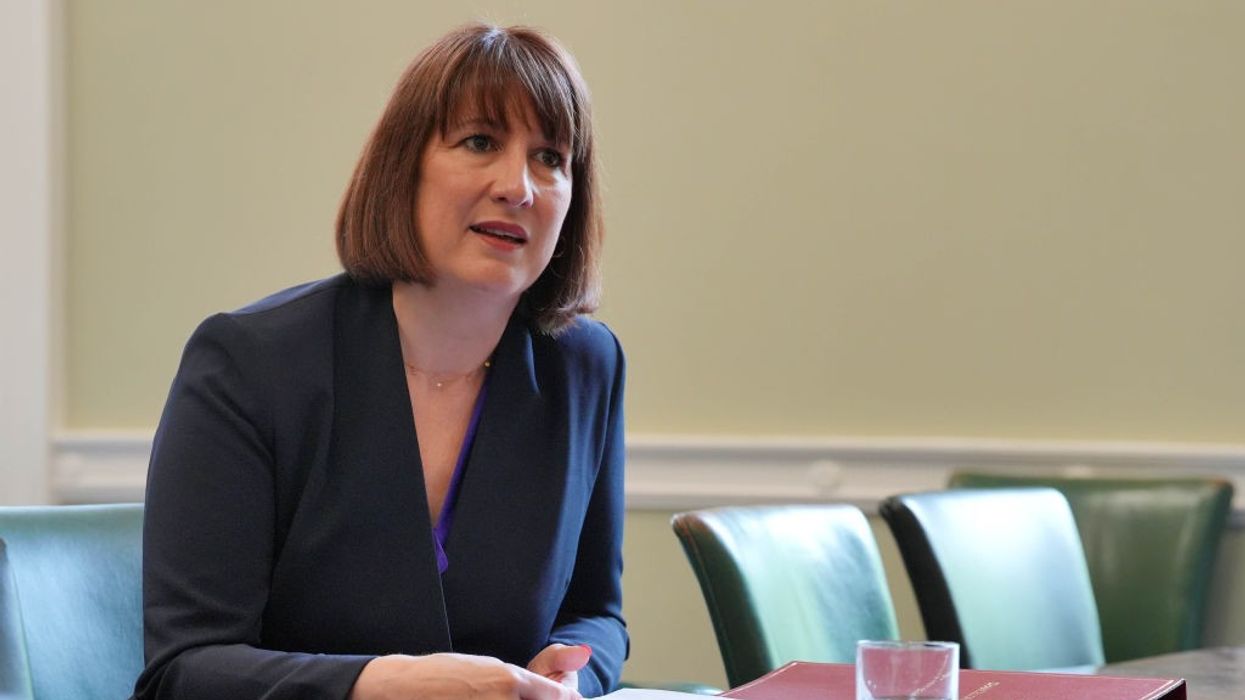
Chancellor Rachel Reeves is weighing over 100 tax and spending options to address a £30 billion fiscal gap ahead of the budget.

Getty Images

CHANCELLOR Rachel Reeves is considering more than 100 tax and spending measures for the 26 November budget as the government seeks to close a £30 billion fiscal gap, according to reports.

Transport secretary Heidi Alexander told Times Radio that Labour would continue to support “working people” and those “working hard on modest incomes”. She said: “What we have always said is that we’re a party that wants to make sure that people who are working hard on modest incomes, working people, that we make sure that we’re getting more money in their pocket, that they are seeing their living standards rise.”


The Office for Budget Responsibility (OBR) has handed Reeves its latest economic forecasts, including a £20 billion downgrade in productivity. However, it has upgraded projections for GDP growth and reduced expected debt interest payments due to lower gilt yields.

A government source told The Times there was still “a lot of back and forth” with the OBR over growth measures and that around a hundred tax and spending options remained under consideration, including potential changes to income tax.

Defence secretary John Healey said weaker forecasts would have “consequences” but declined to confirm whether Labour would maintain its pledge not to raise income tax, national insurance or VAT.

Reports suggest Treasury officials have been asked to protect the lower two thirds of earners, which could leave those earning above £45,000 exposed.

Add EasternEye As Your Trusted Source
preferred source on google news

More For You

GenZ with money

Higher pay is helping some young workers, but rising living costs remain a major challenge

iStock

Gen Z make more money than millennials ever did at 24, but there's a catch

  • Gen Z workers are earning more at age 24 than any previous generation on record.
  • Housing costs, inflation and job insecurity continue to weigh heavily on young adults.
  • Around 40 per cent of Gen Z globally say they are living pay cheque to pay cheque.

For years, millennials were held up as the generation that got a raw deal from the economy. Now, new research suggests Generation Z may be faring better on one important measure: wages.

A report from the Resolution Foundation found that Gen Z workers in the UK are earning more than millennials did at the same age, helped by a stronger labour market and substantial increases in the National Living Wage. Yet economists caution that higher pay does not automatically mean greater prosperity, as housing costs, inflation and job insecurity continue to shape the financial reality facing young adults.

Keep ReadingShow less