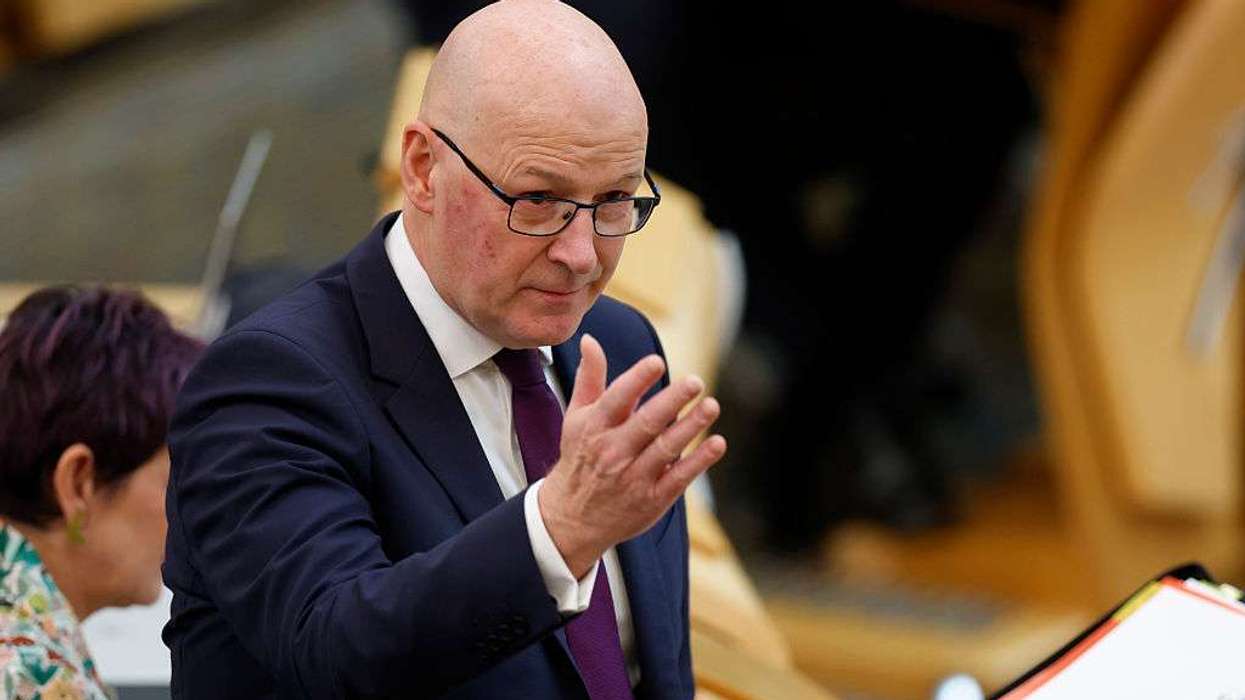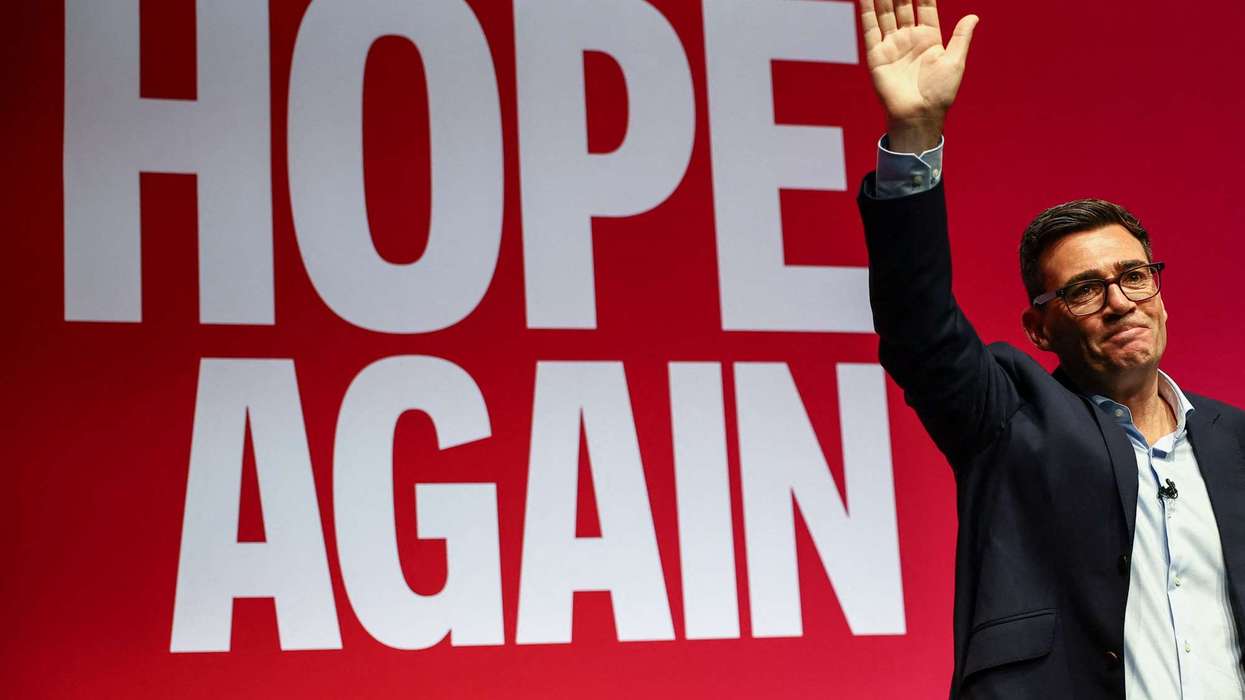

PRIME MINISTER Andy Burnham called on Britons to “believe again and hope again” as he unveiled a series of measures on Tuesday (29), including the creation of a national care service, changes to the state pension triple lock, help with energy bills, proposals for electoral reform and a closer relationship with the European Union, in his first speech at the Labour party conference after taking charge at Downing Street.
In an hour-long address to the party faithful, the prime minister paid an emotional tribute to his father, who died a few weeks ago, saying: “This country gave my dad a good life… the UK my dad represented was the one I believe in.”
There were several standing ovations at the ACC Liverpool conference venue, as Burnham also thanked migrants who had settled in the UK over generations for their contribution to the country.
“We will always be grateful, and we thank them – for those people who have come here and are contributing to our country,” the prime minister said.
Among other measures, Burnham said councils would be given the power to take control of empty homes, and “bring them back into public housing stock”.
“If we build a generation of council homes, we will save billions from the housing benefit budget over the decade,” the Labour leader said. He added he would legislate to repeal a ban on the public ownership of water companies, promising a 10-year route to “a very different water system” for the country.
Starting this Thursday (1), customers will see the removal of VAT from their electricity bills. Burnham also announced the creation of a new publicly owned company called the Great British Grid, which will speed up connections to the grid by driving up competition for connection projects.
The prime minister said, “I believe the plan I have outlined today will not just hold us together. It will allow us to rise again, Britain, to rise again, and we will be a Britain confident of our place in the world.”
On youth unemployment, Burham said his government would invest in young people as ministers wait for a final report from Alan Milburn’s review.
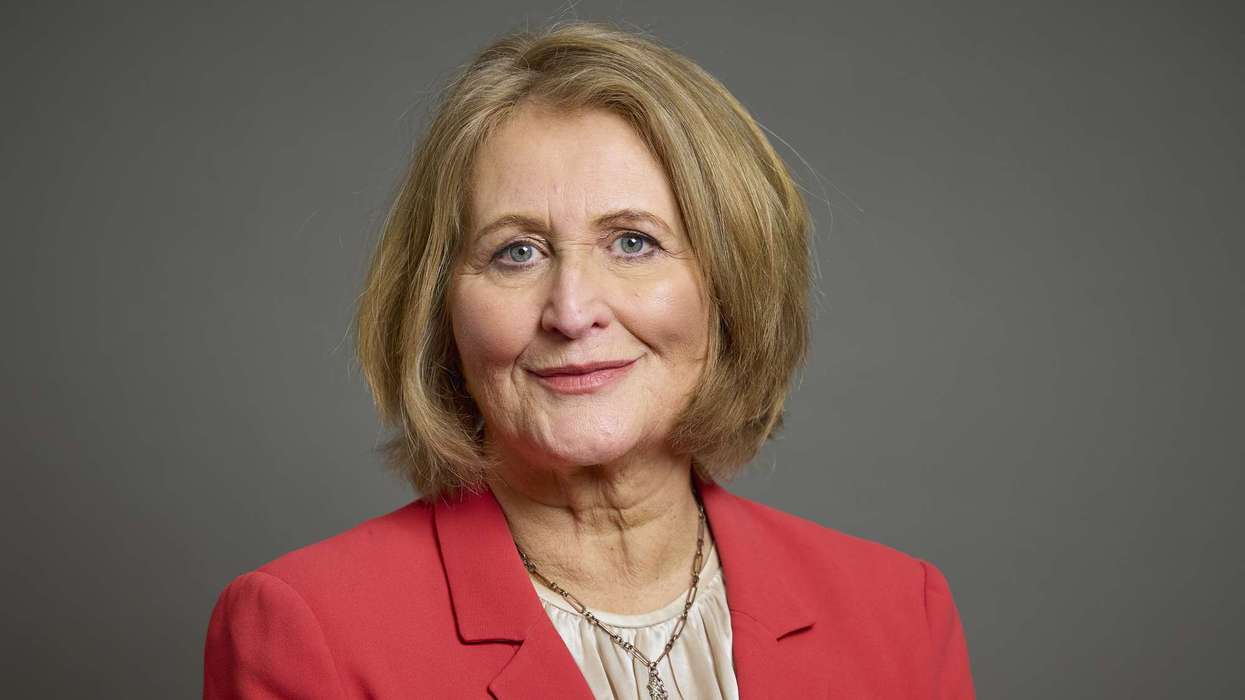
“We will rebuild a system of comprehensive education in this country with parity between academic and technical, with Lucy Powell leading the way.
“Good quality pathways for all from 14. “And the right support for our young people when they need it,” the prime minister said.
Britain is scheduled to take the presidency of the G20 next year, and Burnham pledged to put AI centre stage.
“Britain will then work to develop a new global code to capture its benefits whilst being clear-eyed about its risks,” the prime minister said.
He also said he would put forward “different options” for future ties with the European Union around a planned summit later this year, saying Britain’s departure from the bloc following a contentious vote in 2016 had done “more harm than good”.
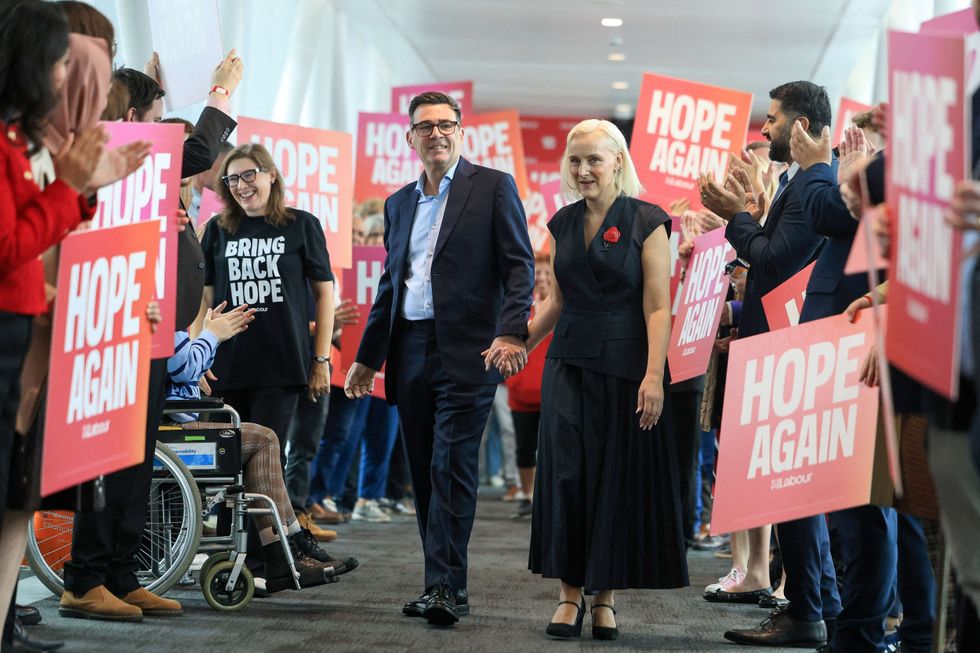 Andy Burnham and his wife, Marie-France van Heel, arrive at the Labour party conference in Liverpool on Tuesday (29)REUTERS/Temilade Adelaja
Walking on to the stage to All Together Now by Liverpool band The Farm, Burnham said he had ignored his first instinct to give “the usual tub-thumping conference speech”, instead deciding to offer “a more serious prospectus for Britain than people have been offered in a generation”.
Yet he conceded that financial constraints curtailed what he could do in the short term and told the conference: “I hope you will see it as a sign, a strong one, of our intent to get your bills and fares down as you wait for the bigger changes to come.
“I would love to go quickly, but I have to be honest about what the country can afford. I will stick to our fiscal rules to get borrowing and debt down. The approach I am outlining today is the responsible one.”
At one point, Burnham had to pause for several seconds, swallowing tears before he talked about his father, who died in September from Alzheimer’s.
He then launched into an impassioned defence of his plans to introduce free social care in England for people who need help living with illness or disabilities. “I won’t pretend some of this won’t be difficult. I accept I may pay a political price. But someone has to go through the pain barrier and rip the plaster off. It’s the leadership I promised you when I asked to be your leader,” he said.
Burnham vowed to build a “National Care Service” that would be “free at the point of use” in what he described as a “landmark policy as significant as the creation of the NHS itself” in 1948 – although not until after the next general election, expected in 2029.
Burnham said: “I watched closely the people who looked after my dad. Caring for other people’s parents on poverty pay, but doing it with huge skill, humour and humanity. Holding a threadbare system somehow together, yet invisible to the political class of this country.
“I want to speak directly today to our care workers. You are not invisible to me. I see you.
I thank you. And I am sorry that my profession has let down yours for so long.
“I promise you: I won’t leave this job without doing everything I can to change things for you.
“And I say the same to our wonderful NHS staff.”
The Health Foundation think-tank estimates that an NHS-style social care system could end up costing almost £19 billion a year.
To pay for his social care plans, Burnham said he would campaign at the next election on changing how pensions rise, a move that right-wing parties immediately labelled as an attack on the elderly.
Although Labour under Sir Keir Starmer won a landslide victory in the 2024 general election, the party has not been immune to global and domestic uncertainties, and Burnham acknowledged the challenges facing his government.
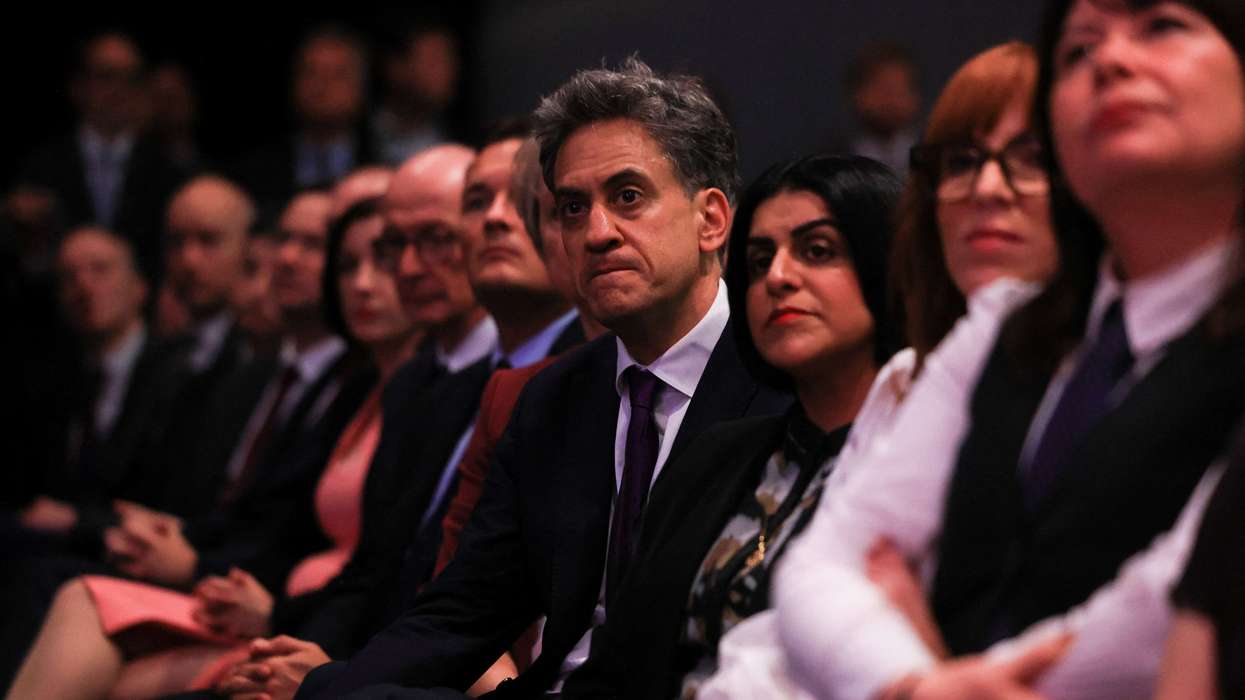 Foreign secretary Ed MIliband, housing secretary Angela Rayner and home secretary Shabana Mahmoodand listen to prime minister Andy Burnham's speech at the Labour Party's annual conference in Liverpool, Britain, September 29, 2026. REUTERS/Temilade Adelaja
“It is always in my mind that I am the seventh prime minister in 10 years. It is why I want to underpin our plan for Britain with a new politics,” he said.
“You can see what I am outlining is a more serious and thought-through prospectus for the future of Britain than people have been offered in a generation.
“I appreciate some of it is difficult. I accept people, including in this hall, will not agree with every part of it, but I believe this is what we need.
“Small things will not get us through what are difficult times. We need to be bigger and have the courage of our convictions. “I believe we can turn Britain around, but it requires us to think bigger about what we need to do.
“I will try my best to find common ground, but let me be clear: where I can’t agree with others, I will fight hard for what I believe to be right, and what I believe to be in the best interests of this country.” With a sluggish economy, the Russia-Ukraine war and the Iran conflict, the 56-year-old former mayor of Manchester is under pressure over how the government will deliver for Britons while government finances remain severely constrained.
Since succeeding Starmer at Downing Street and becoming prime minister on July 20, just weeks after returning to parliament following a nine-year absence, Burnham has sought to offer a more upbeat tone.
But a new YouGov poll on Tuesday showed Labour had slipped back behind Reform UK, with 24 per cent of voting intentions to 25 per cent for the hard-right, anti-immigration party.
Burnham told the conference: “Hope comes from honesty and we will have hope again. “I am ready to do things my predecessors wouldn’t. I will make a break with the direction of the past 40 years and put Britain on a new path.
“Build a new economy and a new politics. That is the case I make to you today.
“Change will be difficult. It always is. But I know we can do it. Because we have done it before.”