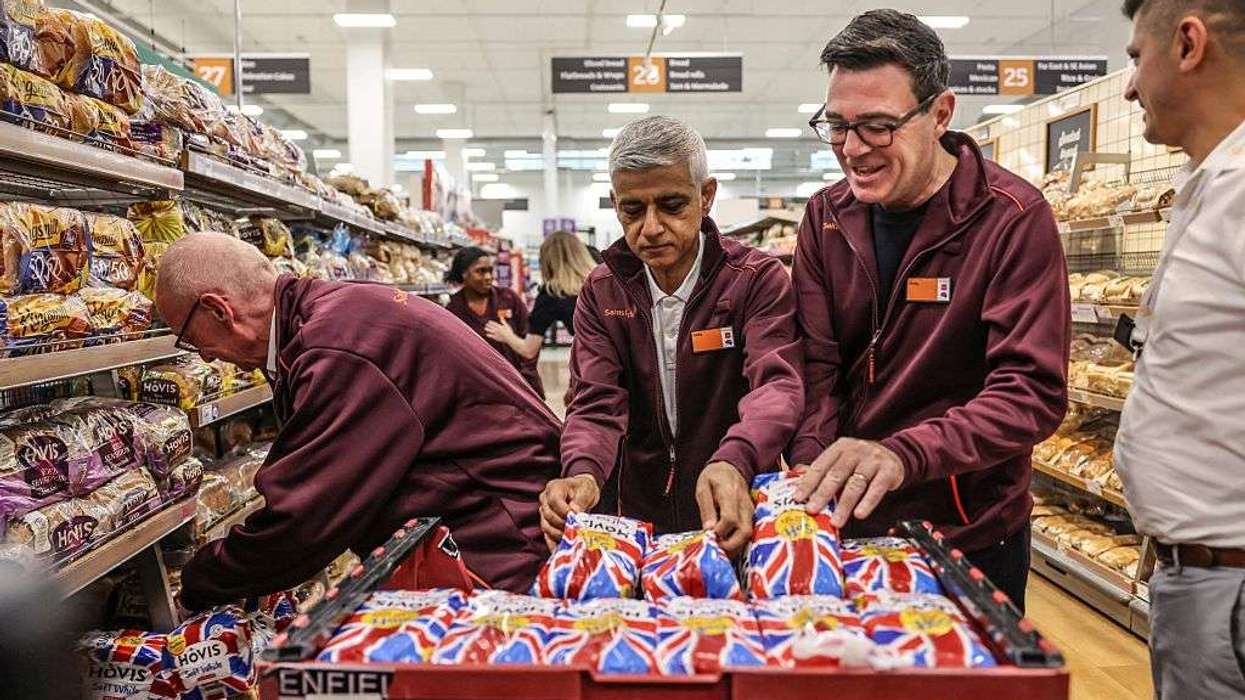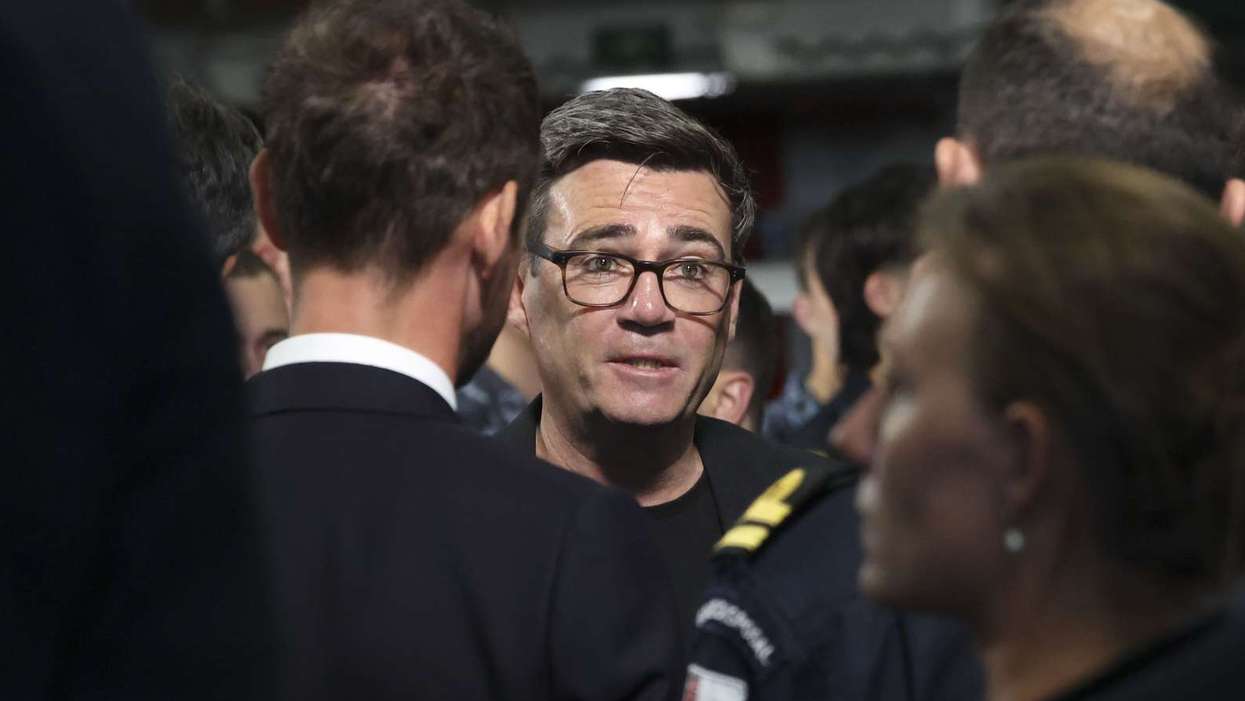
The politics of identity was central to Andy Burnham’s first week as prime minister, which took him from 10, Downing Street in London to end his week opening a new No 10 North in Manchester.
Declaring it “a north pole to balance the south pole”, Burnham took care to make an argument about rebalancing power. As leader of and from the north, Burnham knows he must now commit to being a prime minister for the north and for the south, east and west at the same time. So he talks about No 10 North as the tool to drive his ambition to spread power to every postcode.
His pledge that he would “bring back the Labour people once knew” makes an argument about the identity of his party too. Burnham’s national narrative speaks to a sense of loss and decline over forty years. There are balances to strike here, too. Burnham’s commitment that his cabinet would reflect the country it governs reflected significant social gains across those four decades within the adult lifetime of our prime minister.
When Burnham was first old enough to vote - in the general election of 1992 - just eight women had ever served in the cabinet in seven and a half decades after getting the vote. There are a dozen women in the Burnham cabinet of 23, the first time they have made up 50 per cent of those at the top table.
Burnham became an MP in 2001, in his early thirties, a year before Paul Boateng became the first black cabinet minister in Britain. Burnham’s own full cabinet has three full members with Asian or black heritage in Shabana Mahmood, climate secretary Miatta Fahnbulleh and culture secretary Lisa Nandy, though deputy prime minister David Lammy has left government. New AI minister Kanishka Narayan will attend cabinet, too. Modern Labour Cabinets have not quite kept pace on ethnic minority presence with recent Conservative ones, despite Labour’s parliamentary ranks. Kemi Badenoch’s Conservatives have just 15 ethnic minority MPs, compared to 65 for Labour, but four - including the leader - are in the shadow cabinet.
Wes Streeting is now the first openly gay defence secretary – though there was a ban on serving in the armed forces until 2000, when he was 17. Like Mahmood’s reappointment as home secretary, it’s a sign of progress when both brickbats from critics and plaudits from allies relate to their political choices, not their fixed characteristics.
New foreign secretary Ed Miliband said his parent’s faith in Britain, as Jewish refugees fleeing the Nazis, would inspire his pursuit of a values-based world order. An unfortunate Jewish Chronicle headline - “So, just how Jewish is Ed Miliband?” – illustrates that his Jewish heritage may be referenced rather more often than the Roman Catholic faith of the prime minister. British Jewish opinion may be as internally contested as ever. Yet feeling torn between some long-term identification with Israel but despair at the Benjamin Netanyahu government appears to reflect the view of a broad majority. Seeking to pursue a just settlement for Palestine alongside security for Israel are UK government goals capable of commanding a broad consensus across British society.
Burnham’s appeal to more traditional Labour values could resonate with some older black and Asian Britons, though it will make less sense to the young. Old Labour did dominate the political allegiances of ethnic minorities in the Enoch Powell and Norman Tebbit era, persistently winning three-quarters of the ethnic minority vote for half a century after Windrush, before offering black or Asian voices any presence at the top table. Expectations and identities differ today. Dramatic falls in party identification in this century make Burnham’s challenge with younger voters much less often about how to repair a ruptured relationship and more how to try and create one for the first time.
David Goodhart’s depiction of a politics of “Somewhere” versus “Anywhere” was an influential shorthand for the identity clashes of this Brexit era. Burnham is a politician from “somewhere”. His sense of being rooted in where he is from is central to his confidence as a leader. Yet he seeks to be a modern Labour communitarian, championing the civic pride of Makerfield and metropolitan Manchester.
Burnham’s national challenge is to show that identity in politics need not be a zero-sum equation, where the politics, class or nation are somehow deemed incompatible with pursuing fairness on gender or race, too. Labour’s electoral success could depend on his agility to bridge binary divides: north versus south, young versus old, cities versus towns, the majority group versus minorities. Burnham’s real identity politics challenge is to take on the idea that there is no longer a public appetite for what we could share in common.