
Highlights
- Two Hampshire police officers are under investigation for possible gross misconduct
- Henry Nowak, 18, was handcuffed after his attacker falsely accused him of a racist assault
- Watchdog is also examining whether race or religion influenced police decision-making
POLICE watchdog has launched a gross misconduct investigation into two police officers over their handling of the fatal stabbing of 18-year-old university student Henry Nowak, who was handcuffed as he lay dying after his attacker falsely accused him of making racist remarks.
The Independent Office for Police Conduct (IOPC) announced on Wednesday (1) that the two officers, who were the first to arrive at the scene in Southampton in December, are being investigated over concerns they may have breached professional standards.
The watchdog said the investigation would examine potential failures to recognise that Nowak needed urgent medical attention, to respond after he repeatedly said he had been stabbed and could not breathe, and the decision to arrest and handcuff him instead of providing immediate first aid.
According to the watchdog, one officer may have failed to treat Nowak with appropriate respect after apparently dismissing his claim that he had been stabbed. Body-worn camera footage captured an officer responding to the injured teenager by saying, "Don't think you have, mate."
Nowak, a finance and accounting student, died shortly afterwards from his stab wounds.
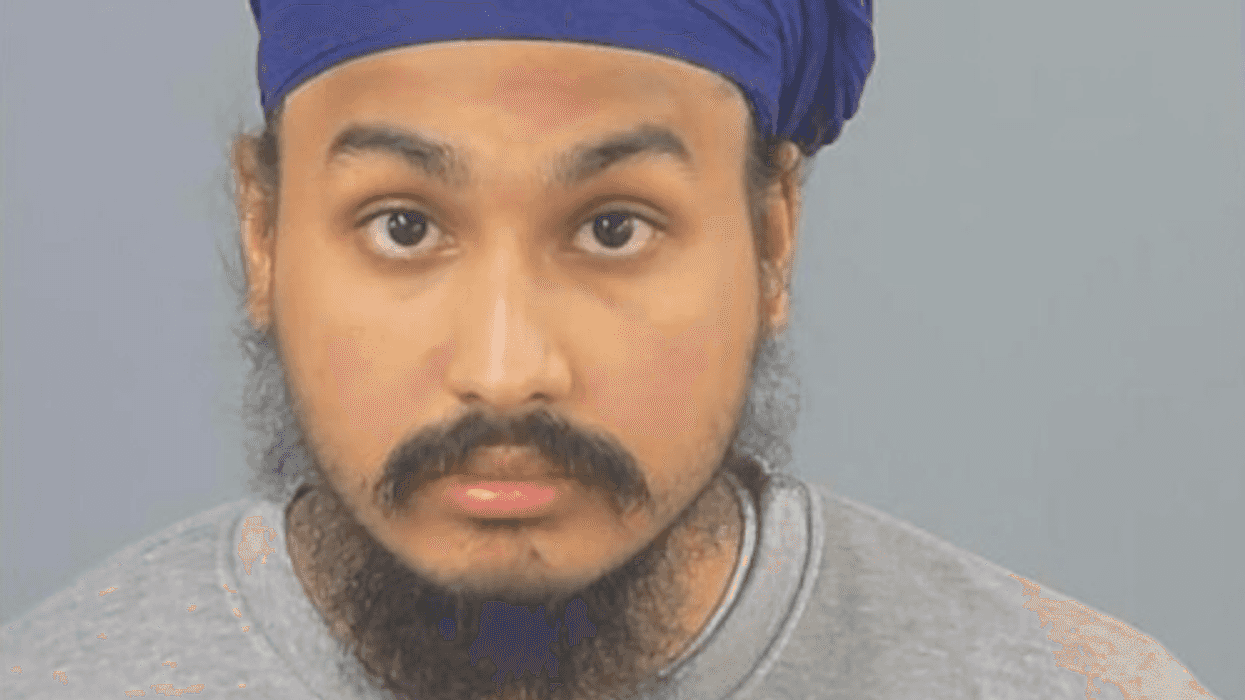 Vickrum Digwa Eastern Eye
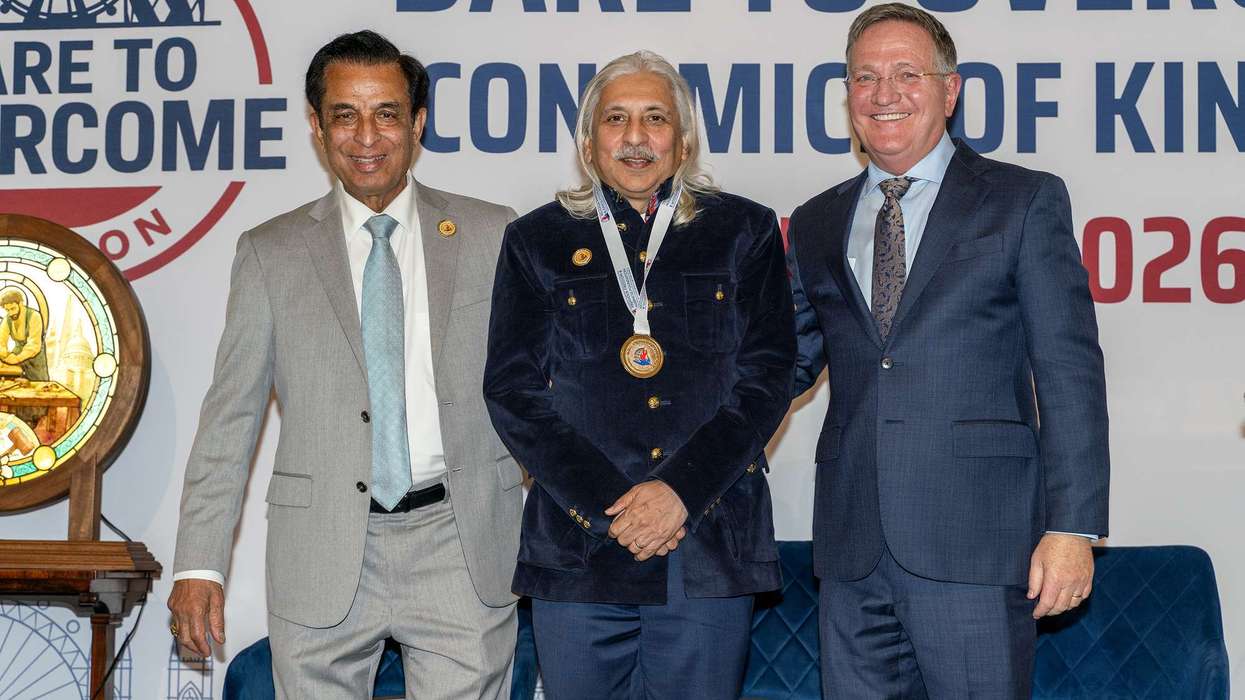
His attacker, 23-year-old Vickrum Digwa, falsely told officers that he had been racially abused and assaulted by Nowak. Digwa, a British-born Sikh, was convicted of murder and sentenced to life imprisonment on June 1. He must serve a minimum of 21 years before becoming eligible for parole.
Nowak case prompted widespread public outrage
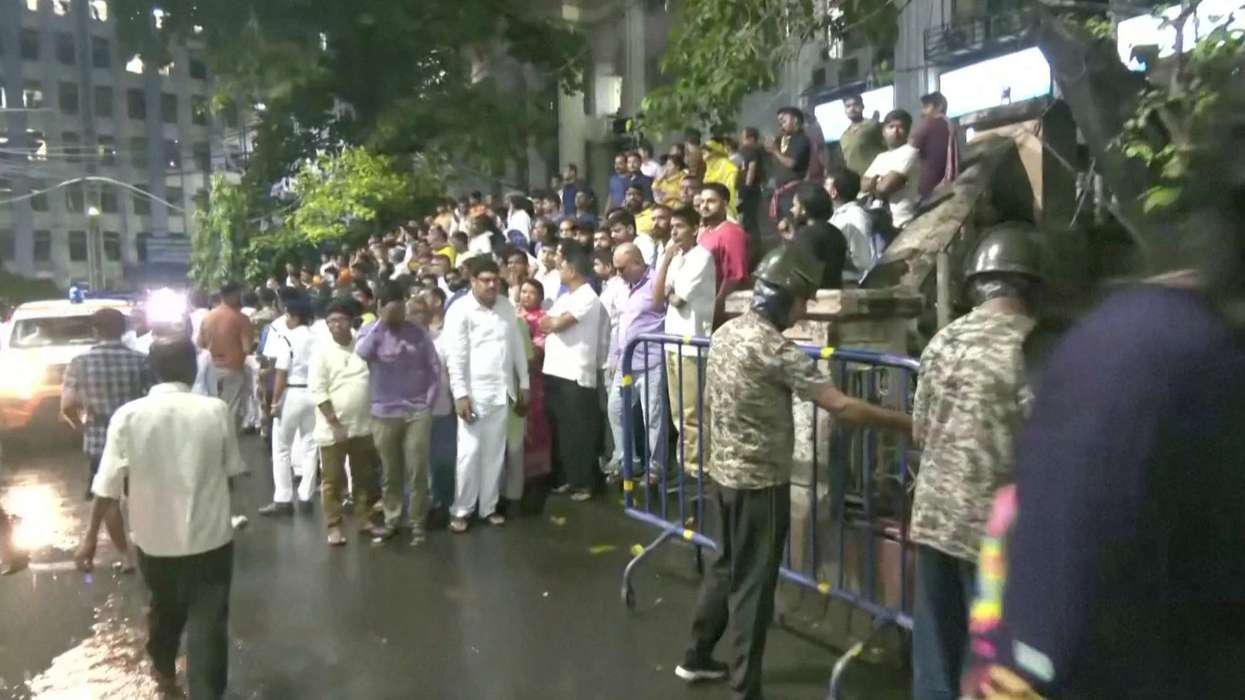
The case prompted widespread public outrage after footage emerged showing the fatally injured teenager being restrained while his attacker was initially treated as the victim. It also sparked protests and political debate over whether police respond differently to allegations involving race.
Prime minister Sir Keir Starmer said after Digwa's sentencing that there were serious questions to answer, including how allegations of racism influenced police decision-making.
The IOPC said it was separately investigating whether race or religion played any part in the officers' actions.
"There is clear evidence that public confidence in the force may have been seriously harmed by this incident, and that is a factor we must consider when assessing the evidence," said Derrick Campbell, the IOPC's director of engagement.
He added: "Two officers will now face gross misconduct investigations."
The watchdog said the investigation would consider possible breaches of professional standards relating to duties and responsibilities, use of force and discreditable conduct. Earlier, the force apologised for handcuffing Nowak while he was fatally injured.
The high-profile case has also been seized upon by some far-right commentators, who argued the officers' initial response demonstrated unequal treatment of white people and ethnic minorities, leading to protests and violent clashes in the aftermath of Digwa's conviction.
(with inputs from agencies)