
Highlights
- Around 500 serving members of the UK armed forces are volunteering as stewards at Wimbledon this year.
- The tradition began in 1946 after military personnel helped secure the site following wartime bombing.
- Volunteers say the role offers a unique chance to engage with the public while preserving one of the tournament's oldest customs.
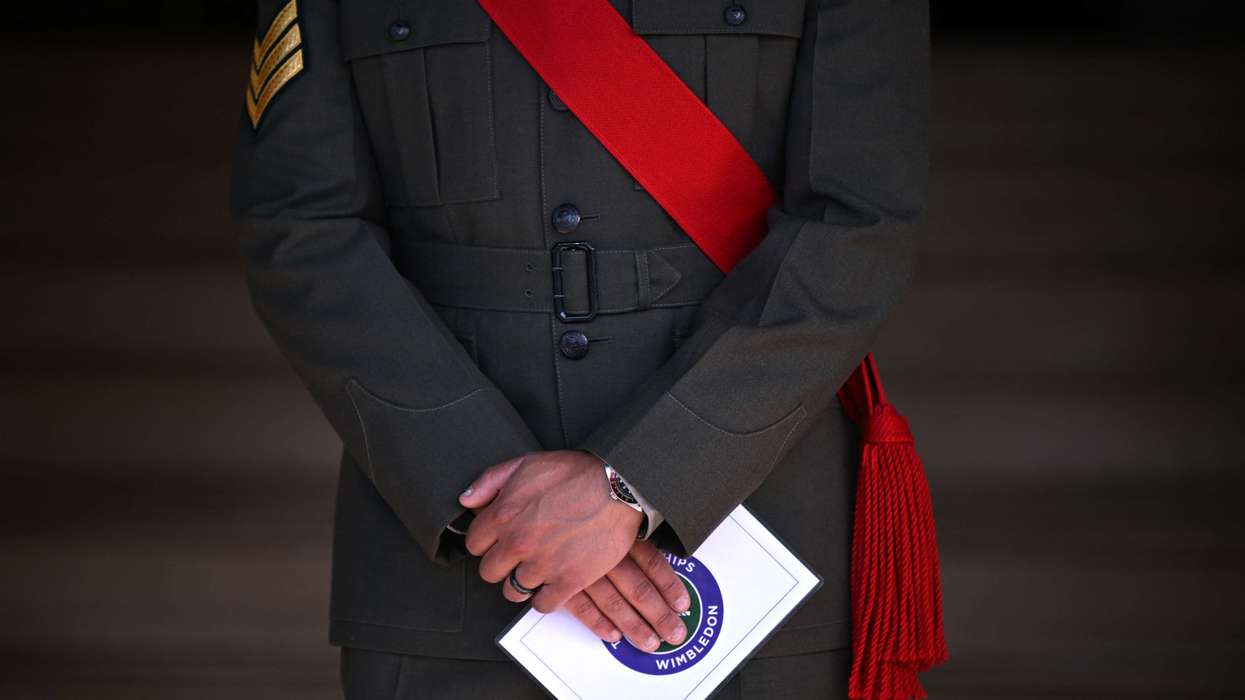
Military personnel in uniform have become as much a part of Wimbledon as strawberries and cream, pristine grass courts and the all-white dress code. While they may blend into the background for many spectators, around 500 serving members of Britain's armed forces are helping the Championships run smoothly this year, continuing a tradition that has endured for 80 years.
From checking tickets and directing crowds to maintaining order on Centre Court, volunteers from the Army, Royal Navy and Royal Air Force perform a wide range of duties throughout the tournament. Their presence dates back to the first Championships held after the Second World War and has since become one of Wimbledon's most distinctive customs.
A wartime legacy that became tradition
The military's connection to Wimbledon began in the aftermath of the Second World War. After the All England Club suffered bomb damage during the conflict, armed forces personnel helped secure the grounds.
When the Championships resumed in 1946, organisers invited military volunteers back as a gesture of appreciation. What started as a thank-you has evolved into an annual tradition that is now woven into the identity of the tournament.
Army Captain Dave McGarr, who has volunteered at Wimbledon for 13 years, believes the arrangement has become inseparable from the event itself.
"It was to say thank you, essentially, and then it's just continued ever since," he told AFP. "Now, it's part of the fabric."
Keeping one of sport's biggest events running
The military stewards play a far greater role than simply greeting spectators. They manage queues, check tickets, help visitors find their seats, oversee movement around the grounds and ensure silence is maintained during points.
Many also become unofficial photographers, happily taking countless pictures for fans eager to capture their day at the Championships.
This year's volunteer force is made up of around 500 serving personnel, with women accounting for roughly half of the group, reflecting the changing composition of Britain's armed forces.
A unique experience away from military life
For McGarr, whose military career has included deployments to Bosnia, Kosovo, Iraq and Sierra Leone, Wimbledon offers a very different kind of challenge.
He says one of his favourite moments comes before play begins, when the grounds fill with spectators and the excitement builds across the venue.
Earlier in his stewarding career, McGarr served on Centre Court's "core intrusion team", responsible for ensuring no one entered the playing surface during matches. The role frequently placed him on television, prompting messages from friends and family whenever he appeared on screen.
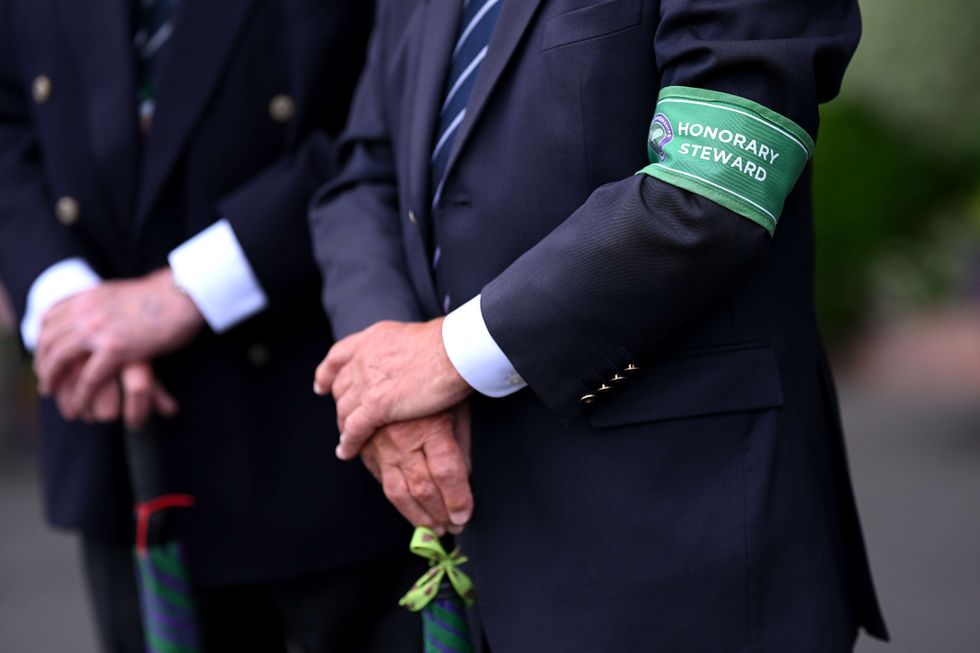 The military stewards play a far greater role than simply greeting spectatorsGetty Images
Royal Navy serviceman Daniel Thornton is volunteering at Wimbledon for the first time after joining the armed forces three years ago.
Despite using two weeks of his annual leave, he said the experience has been well worth it.
Having watched Wimbledon on television since childhood, Thornton had never previously visited the grounds. His first assignment saw him stewarding on Centre Court as Novak Djokovic began his campaign, followed by another day witnessing Serena Williams' dramatic comeback.
Thornton said interacting with thousands of spectators has been one of the biggest differences from his usual naval duties, where opportunities to engage with the public are far less common.
"I loved it," he said after his first day. "Everyone's in a good mood."
A standing ovation for those behind the scenes
Each year, Wimbledon also marks Armed Forces Day, held on the last Saturday of June, by recognising the contribution of the military stewards before play begins on Centre Court.
As cameras pan across the uniformed volunteers, spectators rise to applaud, with members of the Royal Box joining in the tribute.
For McGarr, it remains one of the most emotional moments of the fortnight.
"The cameras pan round all the service personnel and it gives you goosebumps actually when everyone's clapping and cheering," he said. "Even the Royal Box."
While the world's attention is focused on the players chasing Grand Slam glory, generations of military volunteers continue to ensure the tournament runs with the order, courtesy and tradition for which Wimbledon is renowned.