
Highlights
- Survey finds strong support for philanthropy but divided views on “duty” of wealthy donors
- Over 140 leaders meet in London to discuss the future of UK giving and impact
- Event highlights shift towards private giving in UK charity funding landscape
PHILANTHROPY must be part of efforts to build stronger communities and tackle major social challenges, Lord Karan Bilimoria CBE has said.
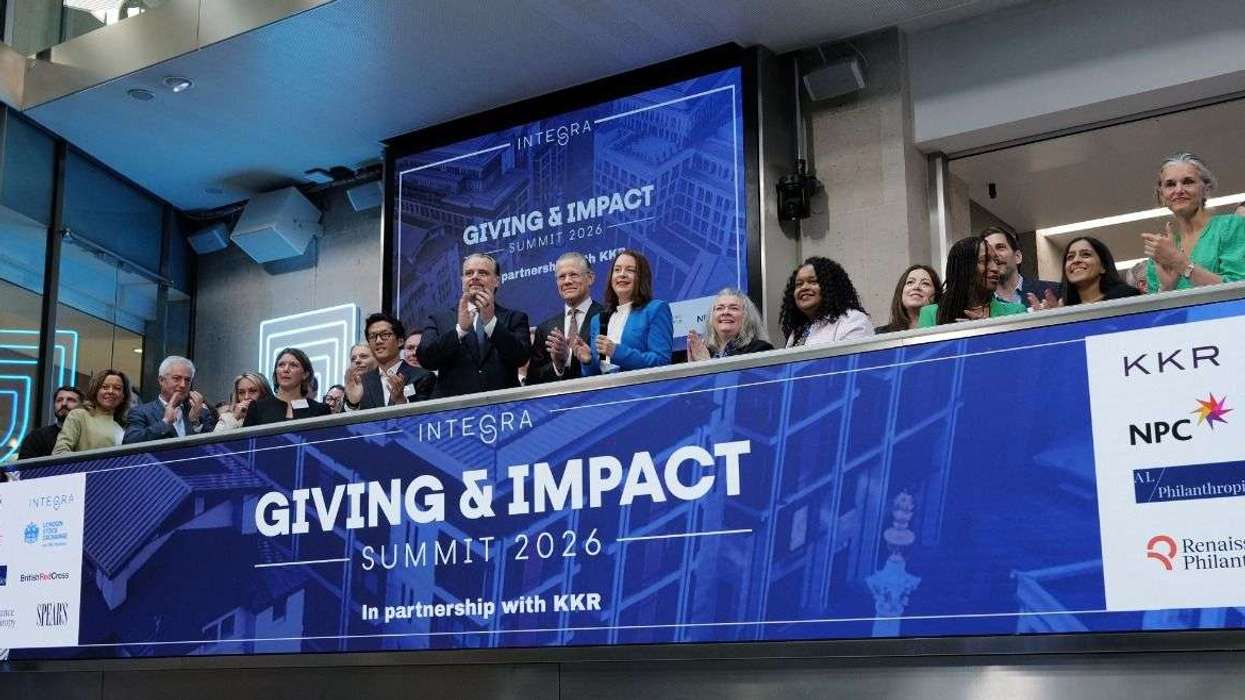
Speaking at the third annual Giving and Impact Summit at the London Stock Exchange last month, the Asian business leader added that the ‘spirit of giving’ made him proud of the country.
He said, "The summit was an inspiration to all who attended, and that inspiration should create the aspiration to achieve, and that achievement will create inspiration - a virtuous circle. I have always been inspired by the British people’s instinctive compassion and generosity. So often, people give relatively small amounts, yet together, those contributions add up to billions of pounds for charitable causes, many with global reach, supporting communities in parts of the world the donor may never visit in their lifetime."
Organised by London-based strategic communications and social impact consultancy, Integra Group, the event held on June 17 brought together more than 140 philanthropists, wealth advisers, investors and government representatives to discuss the future of UK philanthropy.
It coincided with new research by the Charities Aid Foundation, commissioned for the summit, which found that 71 per cent of the public believe philanthropy is important to UK society, while 63 per cent view philanthropists positively.
However, views were more split on expectations of wealthy individuals, with 45 per cent saying high-net-worth individuals have a “duty” to donate to charitable causes, compared with 23 per cent who do not.
The findings were presented as part of wider discussions on how to expand philanthropic engagement in the UK, including increasing participation from ultra-wealthy donors, developing new funding models and strengthening collaboration between government, civil society and the private sector.
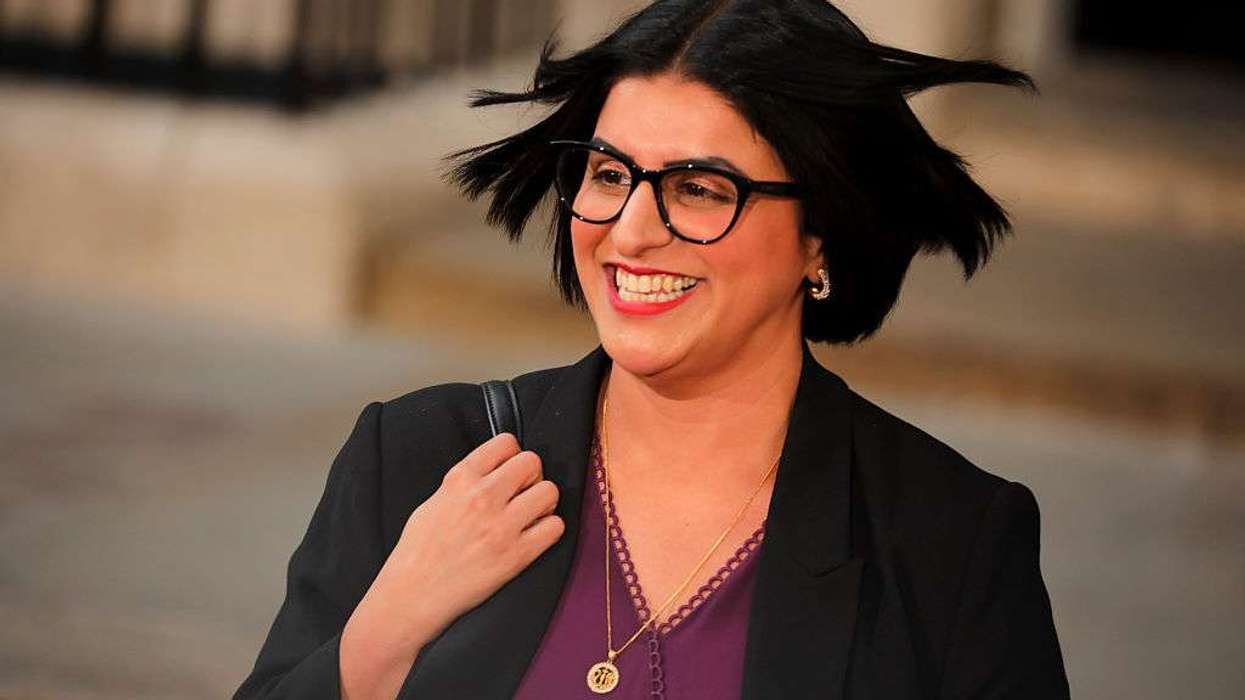
Speakers at the summit included Stephanie Peacock MP, minister for sport, media, civil society and youth, and Sarah Brown, chair of Theirworld, alongside philanthropists James Reed CBE, Dr Rasha Saïd, Daria Bukhman and H.E. Badr Jafar.
Peacock said philanthropy “makes a real difference to people’s lives”, adding that it helps communities thrive and supports key causes. She said the government had launched its Philanthropy Strategy: Our Place to Give, aimed at strengthening place-based giving and partnerships.
Pamela Alexander, managing director of corporate citizenship at global investment firm KKR, said private capital and philanthropy could drive long-term change when combined with partnerships across government and civil society, adding that the summit helped turn “goodwill into action”.
Sarah Brown, chair of Theirworld, said private giving had overtaken government grants as the main source of funding for UK charities, calling it a “historic shift” that placed greater responsibility on philanthropists.
James Reed CBE, chair of The Big Give, said giving should not be seen as a duty but “a joy”, adding that match-funding campaigns had raised almost £450 million and encouraged higher levels of charitable donations.
The summit was conducted in partnership with KKR, the London Stock Exchange, the British Red Cross, AL Philanthropies, Renaissance Philanthropy, Spear’s and New Philanthropy Capital.