
Highlights
- Universities, community groups and businesses to be allowed to sponsor refugees from autumn 2026
- Scheme based on Canada's system, which has resettled almost 400,000 refugees since 1979
- University sponsorship applications open later this year; first arrivals in 2027
- Employer sponsorship route expected next year
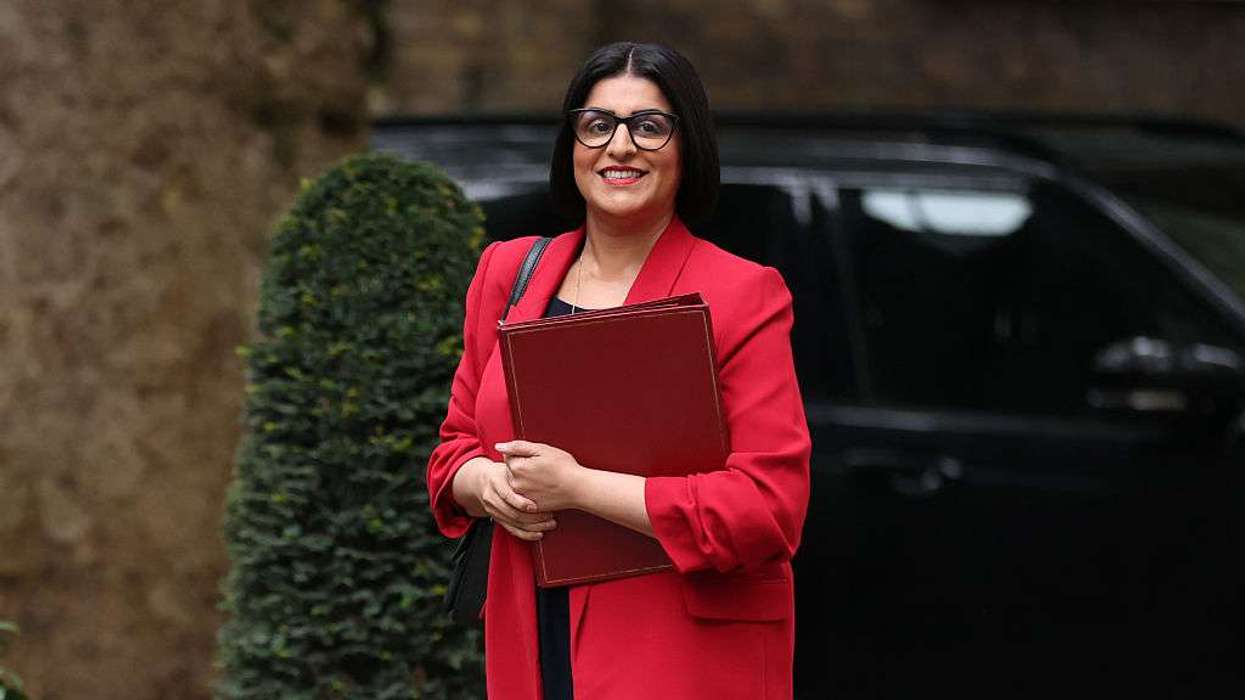
HOME SECRETARY Shabana Mahmood has announced new "safe and legal" routes for refugees to enter Britain, under which community groups, universities and businesses will be allowed to sponsor people fleeing war and persecution.
The plan, modelled on Canada's refugee sponsorship system, will start from the autumn. It comes days before prime minister Sir Keir Starmer is expected to step down and be replaced by Andy Burnham next month.
Mahmood said the new system would protect "genuine refugees" while closing loopholes open to abuse. "Britain has always offered sanctuary to those fleeing war and persecution," she was quoted as saying by the BBC. "But this system only survives if the public trusts that it is fair, controlled, and not open to abuse."
She added, "I will open new legal routes for genuine refugees, while closing loopholes that have been too often abused. My goal is simple: to ensure we have an asylum system not just today but for generations to come."
The Canadian model
Under the scheme, organisations such as universities and community groups, including churches, will be able to sponsor refugees and help them find housing and work. The Home Office will carry out background checks and decide which organisations can act as sponsors.
The plan draws on Canada's community sponsorship system, which has resettled almost 400,000 refugees since being introduced in 1979. The BBC reported that in Canada, 70 per cent of sponsored refugees find work within a year, 30 per cent higher than those resettled through government schemes, according to the Home Office.
Official figures showed a 50 per cent drop in refugees arriving through safe and legal routes in the first quarter of 2026 compared with the same period in 2025, with just over 3,600 people granted protection through resettlement schemes or family reunification. Refugee family reunion has been paused since September 2025, with no date set for it to reopen.
Applications for a university sponsorship route will open later this year, with the first refugees arriving in 2027. A separate route allowing employers to sponsor refugees is expected to open next year. The government did not say how many people would be allowed in, but said numbers would start low and rise over time.
Pressure from left and right
Mahmood is trying to win support for her wider immigration bill, due before the Commons next week, before Burnham takes charge. The Guardian reported that a Labour source said the new routes were meant to grow to thousands of refugees a year eventually coming to build a new life in Britain once order and control has been restored.
Labour peer Alf Dubs, who came to Britain as a child refugee from Nazi-occupied Czechoslovakia, called on Burnham to move Mahmood out of the Home Office. He told the Guardian her asylum policies amounted to "performative cruelty" and that her talents "would be better used elsewhere in the cabinet".
Conservative shadow home secretary Chris Philp criticised the plan, saying that until illegal migration was at zero, "we shouldn't be shipping any extra people in at all on 'humanitarian grounds'". He said the measures "won't stop the boats" and accused Labour of supporting "open borders."
Liberal Democrat home affairs spokesman Max Wilkinson called the plan a "step in the right direction" but said more work was needed to stop small boat crossings.
The Community Sponsorship Alliance asked the government to let local communities decide who they sponsor. Its deputy chair, Leonie Ansems De Vries, said: "We urge the government not to draw eligibility criteria so narrowly that it stifles the very public goodwill that makes sponsorship work."
Alongside the new routes, the bill will tighten the definition of "family" under Article 8 of the European Convention on Human Rights, limiting it to a parent, spouse or child under 18, except in rare cases.
According to reports, the change was designed to stop cases such as one in which a convicted domestic abuser from Poland could not be deported because he acted as a "father figure" to his nephew.
The bill will also remove modern slavery protections from foreign nationals who have served a jail sentence, and reject late modern slavery claims where there was an earlier chance to raise them or evidence of forged documents.
The announcement came as Mahmood clashed with junior minister Mike Tapp, who argued in the Times that foreign care workers should be exempt from changes to indefinite leave to remain rules for migrants already in Britain.