British universities have axed several books from reading lists as the institutions sought to protect students from “challenging” content.
An investigation by The Times revealed that the reasons for scrapping the books included concerns about graphic designs and discussions on suicide.
Through freedom of information requests sent to almost 140 universities, the newspaper also found that "trigger warnings" were placed on 1,081 books across undergraduate courses.
While Essex and Sussex universities removed “challenging” texts from study lists, eight others, including Russell Group, made such books optional in case they caused harm to students.
The University of Essex has “permanently" removed American writer Colson Whitehead’s Pulitzer Prize-winning novel The Underground Railroad for containing “graphic descriptions of violence and abuse of slavery”.
Sussex has scrapped August Strindberg’s play, Miss Julie, from an English literature module because of its discussion on suicide.
Literary works of celebrated authors like William Shakespeare, Geoffrey Chaucer, Jane Austen, Charlotte Brontë, Charles Dickens and Agatha Christie are deemed concerning enough to require warnings, according to the investigation.
Essex said it encouraged “open and frank discussions in our seminars” convening “difficult and sometimes uncomfortable conversations”.
Its spokesperson, however, denied that the university blacklisted Underground Railroad, saying it was “replaced on one reading list for a creative writing module about the development of the novel, as another book was viewed as better suited to the learning aims.”
“Underground Railroad is available in our library and remains an option for inclusion on future reading lists in relevant modules,” the spokesperson told The Times.
According to the university, books covering themes and issues around slavery are on the reading lists for many other modules.
The University of Sussex said students’ complaints about the “psychological” and “emotional effects” of Miss Julie had led to its permanent withdrawal from the reading list.
Conservative leadership contender Liz Truss said mollycoddling of students by universities was not good for wider public debate.
“A good education should be underpinned by a free exchange of speech and ideas not constrained by left-wing group think,” she told The Times.
UK universities axe ‘challenging’ books from reading lists to protect students
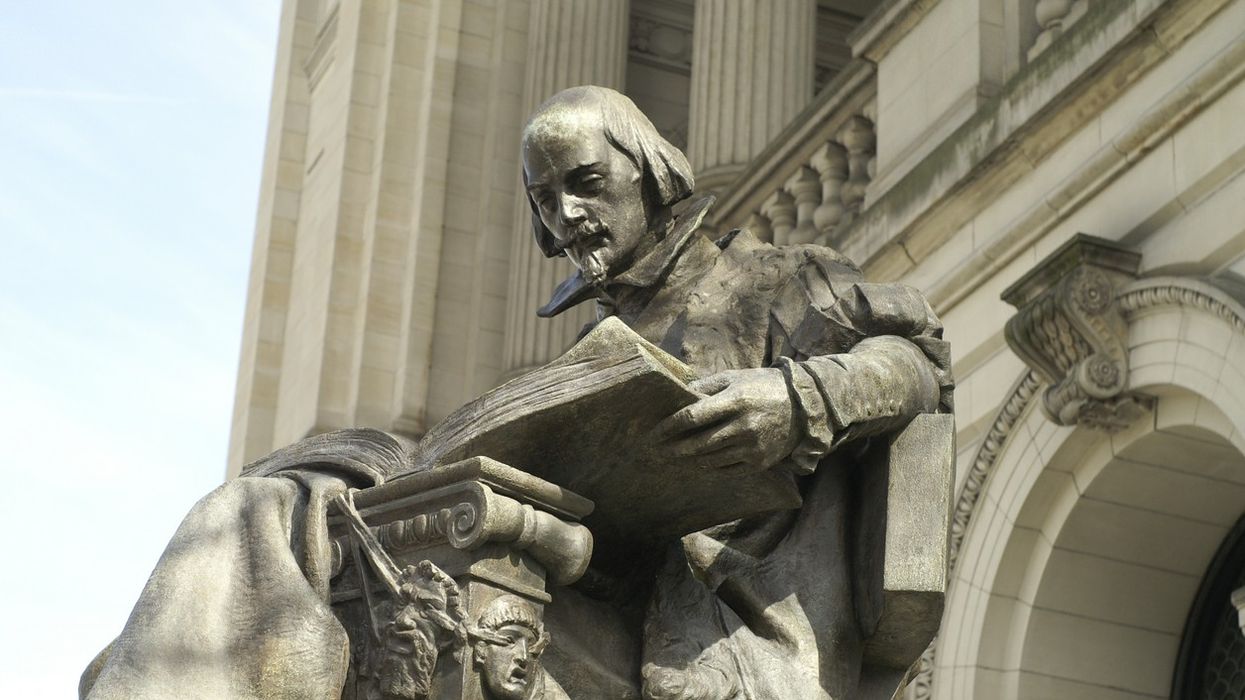
Literary works of celebrated authors like William Shakespeare are deemed concerning enough to require warnings