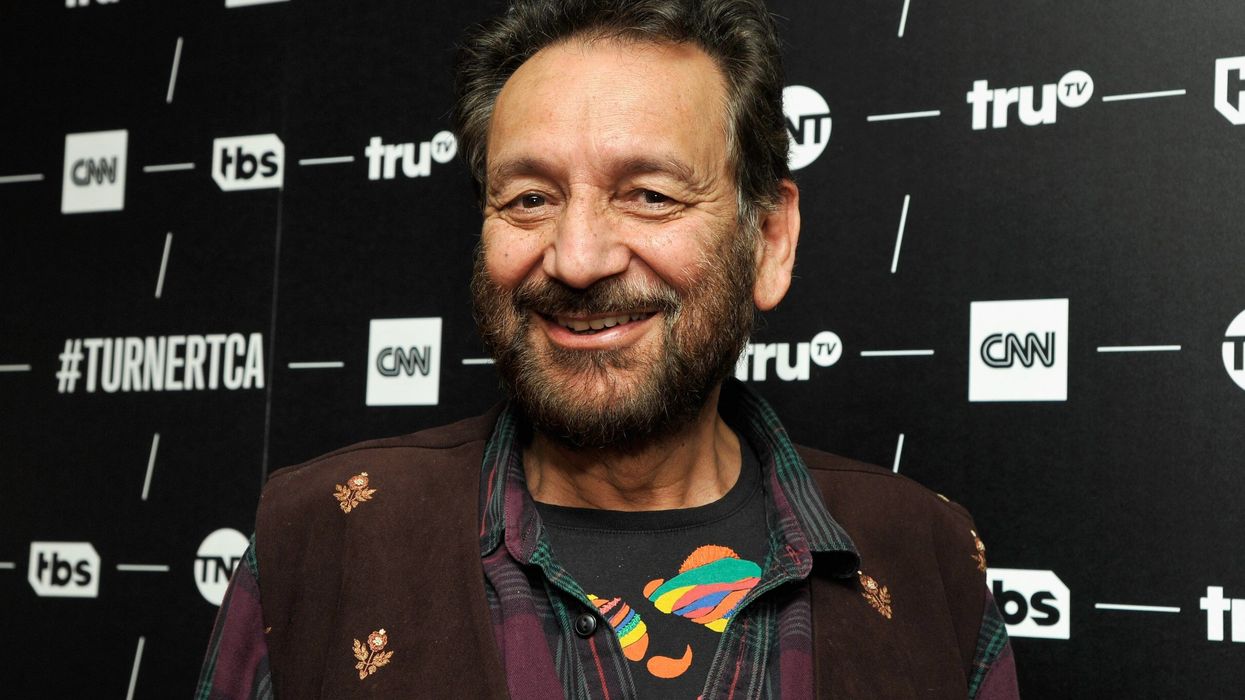

Renowned filmmaker Shekhar Kapur, whose filmography includes such memorable films as Masoom (1983), Mr India (1987), Bandit Queen (1997), Elizabeth (1998), and Elizabeth: The Golden Age (2007), on Tuesday said India has to use cinema as a soft power if it has to win the “minds and hearts of the future generations” globally.
The 76-year-old filmmaker said that India and China are two nations that can cultivate their soft power to become “major influencers in the world.”
“There was a time during my youth when I aspired to become like Americans. This was only due to the influence of American media. Now it is our turn; Asia is rising and India and China are two nations that can cultivate their soft power to become major influencers in the world. China is already making all-out efforts to achieve that,” the director said.
Kapur was speaking at the inauguration of a national seminar, titled ‘Indian Cinema and Soft Power’, held at Raj Bhavan in Mumbai. The seminar was organised by the Indian Council for Cultural Relations (lCCR) and also saw the presence of Maharashtra Governor Bhagat Singh Koshyari and ICCR President Vinay Sahasrabuddhe.
Kapur stressed the need for technological upgradation and said the industry must find newer ways to tell stories.
“If India has to use cinema as soft power, we have to win the minds and hearts of the future generations around the world… We need to think of telling our stories through popular media like gaming using the latest technologies. I would like to see games featuring Indian characters in Indian costumes,” he added.
Meanwhile, Kapur is looking forward to the release of his next directorial venture What’s Love Got to Do With It? Expected to be a cross-cultural rom-com about love and marriage, set between London and South Asia, the British film stars Lily James, Emma Thompson, Sajal Ali, Shazad Latif, Rob Brydon, and Shabana Azmi among others.
He is also onboard to direct the series adaptation of author Amish Tripathi’s critically-acclaimed book series Shiva Trilogy.
Keep visiting this space over and again for more updates and reveals from the world of entertainment.

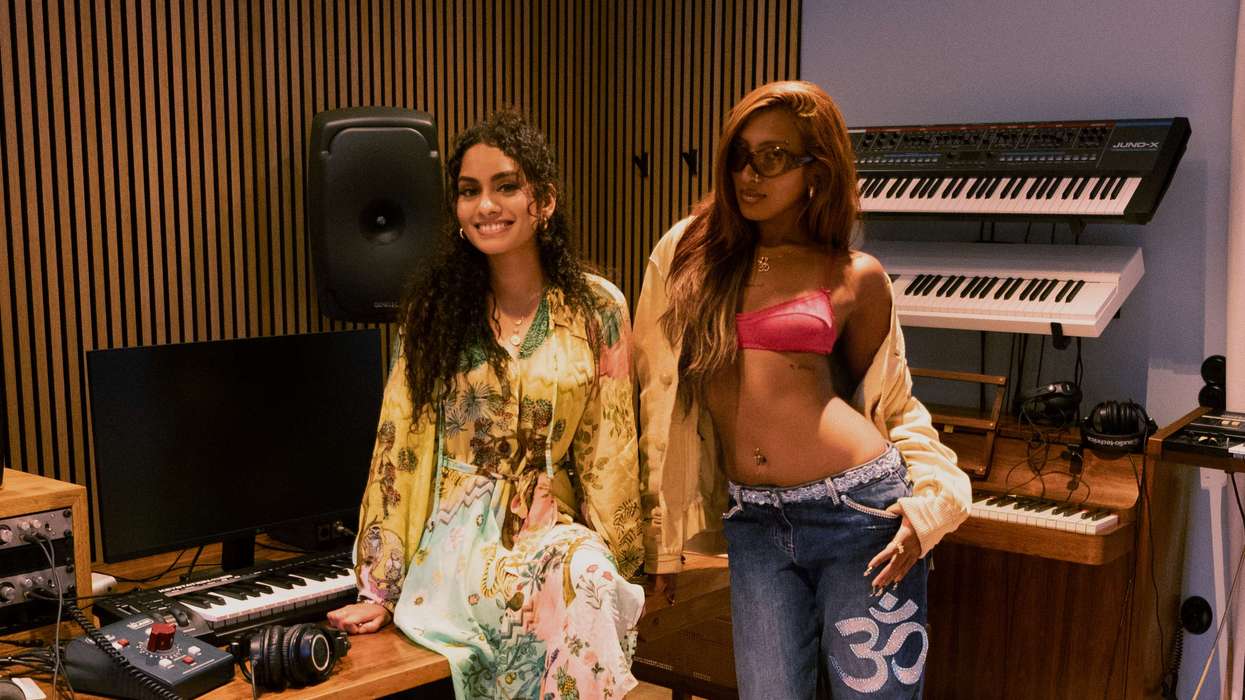
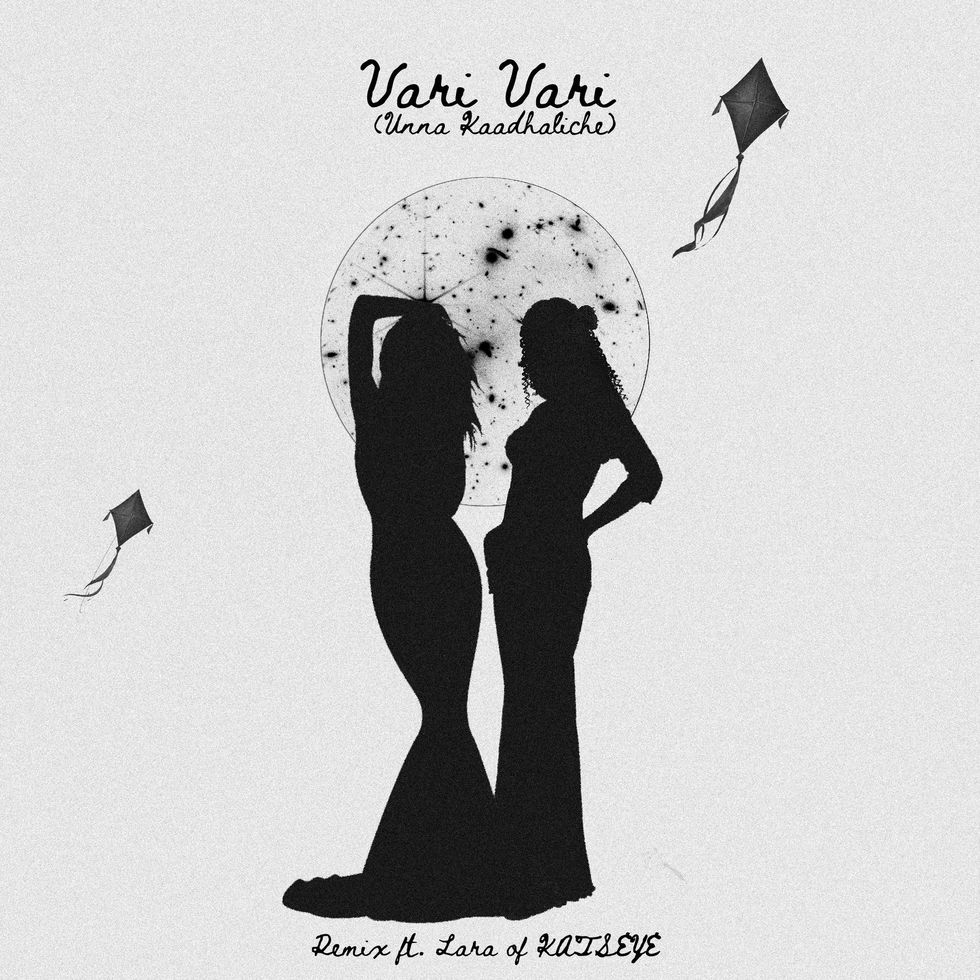 Vari Vari Remix artApel, Taylor
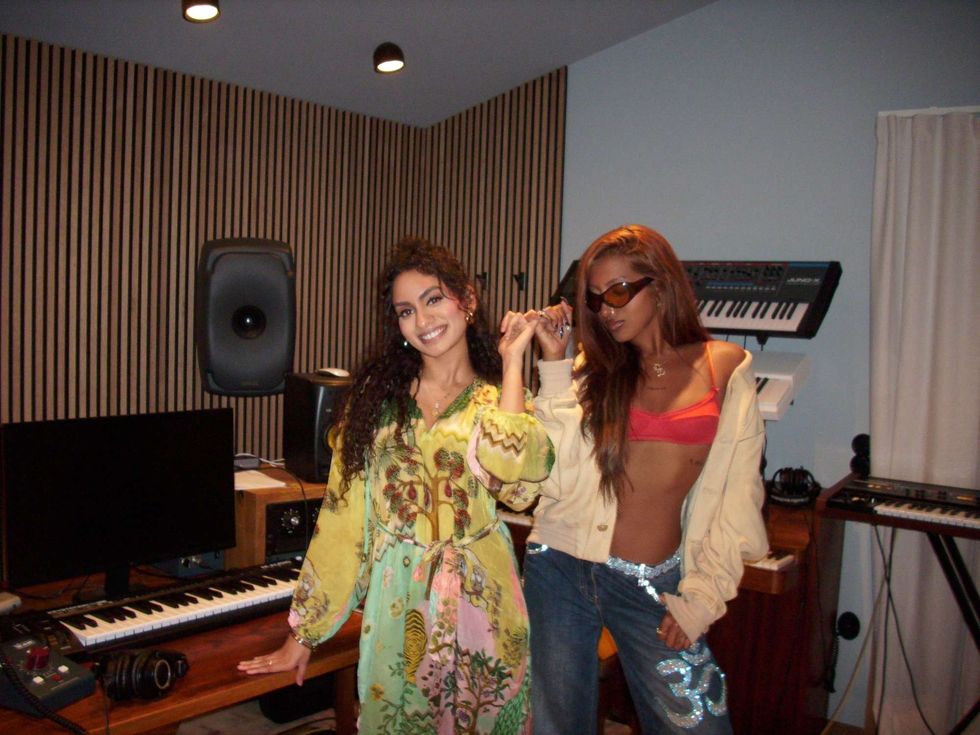 Lara's collaboration with Dhee a notable crossover between Tamil music and the global pop spaceApel, Taylor