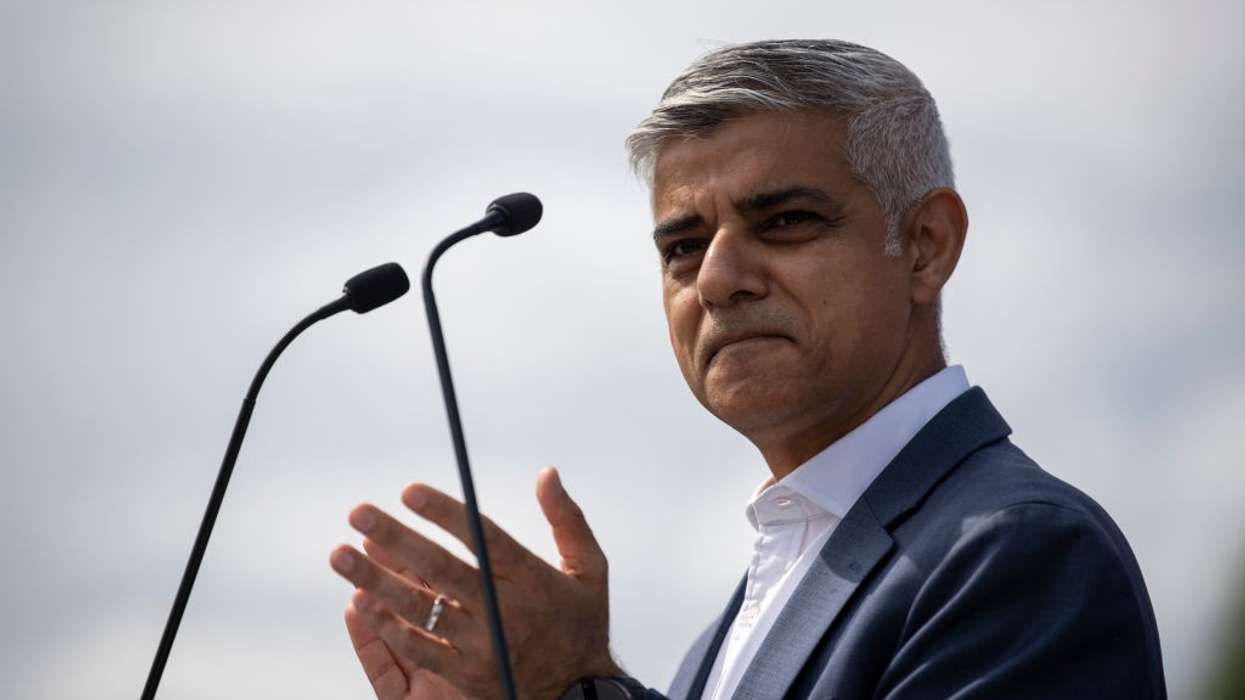

- Khan wants London to have greater control over how autonomous taxi services operate
- Freenow by Lyft is testing 24 Baidu robotaxis in the borough of Brent
- The mayor has raised concerns about congestion, air quality and the livelihoods of private hire and black-cab drivers
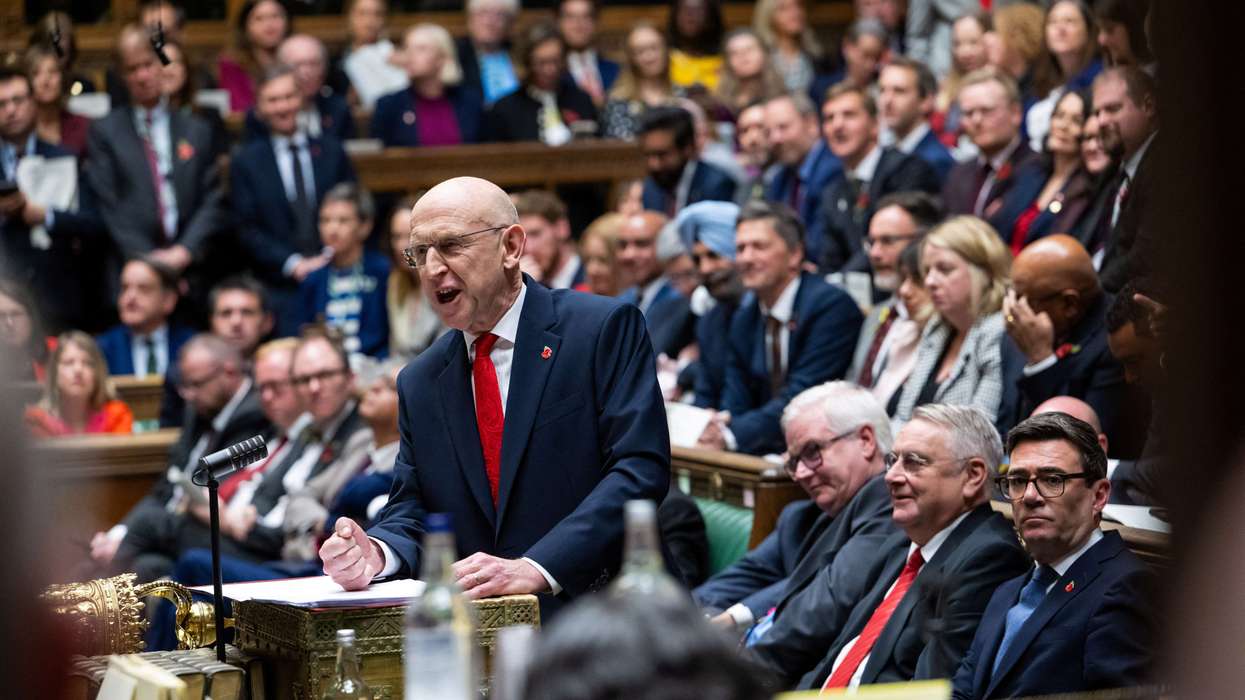
London Mayor Sadiq Khan has called for a cap on the number of robotaxis operating in the capital, warning that a rapid expansion of driverless vehicles could increase congestion and threaten the livelihoods of taxi and private hire drivers.
His comments come as the UK government prepares to allow fully autonomous vehicles to operate on public roads, with companies exploring plans to introduce driverless taxi services in London.
Khan said politicians had not fully grasped the pace of technological change and questioned whether the regulatory framework was ready for a large-scale rollout.
“What we don’t want is a situation where there’s a big bang without proper regulation in place,” he said, adding that rules needed to be fit for purpose before autonomous vehicles became more widespread.
He also wants Transport for London (TfL) to have greater powers over the way robotaxi services operate, rather than simply deciding whether they can be used in the capital.
Why does Khan want greater control over robotaxis?
Under the current framework for fully autonomous vehicles, TfL can give or refuse consent for their use in London but cannot directly manage or license robotaxi services.
Khan said the city needed more influence over the rollout, including the ability to consider limits on the number of vehicles.
He raised questions about the potential effects on air quality and congestion, as well as the impact on people who earn a living as private hire vehicle drivers and black-cab drivers.
“London isn’t San Francisco. We’re a city of almost 10 million, 400 villages, narrow roads, and it’s really important to get this right,” he said.
Drivers’ unions have also staged protests outside the London offices of autonomous vehicle companies Wayve and Waymo, with some Uber drivers expressing concern about the future of their jobs.
The debate follows Uber's launch of limited passenger services in Wayve's self-driving vehicles in September. Those journeys still involve a safety driver in the front seat and operate under a TfL licence.
When could fully driverless taxis arrive in London?
Freenow by Lyft is hoping to introduce fully driverless Baidu robotaxis as early as next year under the UK’s national licensing framework.
Around 24 autonomous Baidu Apollo Go vehicles are currently being tested in the London borough of Brent. The company is working with TfL on operational issues, including how the vehicles follow traffic rules.
Danny O’Gorman, Freenow by Lyft’s UK and Ireland general manager, said the national framework was an important factor in the company’s decision to invest in the market. However, he acknowledged that questions about how services would be regulated once they were operational still needed to be resolved.
O’Gorman said following the rules of the road could be a particular challenge in London, where other motorists do not always observe speed limits and traffic regulations.
Freenow is also planning to establish a dedicated autonomous vehicle depot in the UK. The company believes this could create employment opportunities for drivers affected by the transition, including roles in remote vehicle operations and servicing.
O’Gorman argued that the traditional black-cab industry faced other pressures, including an ageing driver population and the high cost of vehicles. He said two-thirds of black-cab drivers were over 50 and approaching retirement.
The scale and speed of the robotaxi rollout will determine how much disruption the technology brings to London's existing taxi market. For now, the debate is increasingly about who will oversee the transition, how quickly it should happen and what protections should be in place for workers and the city's transport network.