
- India has warned it could reconsider tariff concessions on Scotch whisky.
- The dispute centres on proposed UK steel safeguard measures.
- The India-UK trade deal is expected to boost bilateral trade by £25.5 billion by 2040.
India has signalled it could revisit tariff concessions offered to Britain under the India-UK free trade agreement if concerns over planned British steel import measures are not addressed, adding fresh uncertainty to one of the most significant trade deals signed by the two countries in recent years.
The warning comes ahead of talks between UK trade secretary Peter Kyle and India's commerce minister Piyush Goyal, with the India-UK trade deal and steel imports emerging as key issues in the relationship. While the agreement is expected to come into force later this year, a growing disagreement over UK steel safeguard measures threatens to complicate its rollout.
Whisky concessions caught in wider trade row
At the centre of the dispute is Britain's proposal to tighten restrictions on some steel imports as it seeks to protect domestic manufacturers. Indian officials argue the measures could limit market access for Indian steel exporters and undermine the spirit of the newly signed trade agreement.
An Indian trade official said New Delhi could reconsider some of the concessions it had offered Britain if its concerns are not resolved. "The ball is in their court," the official reportedly said, adding that India could review the concessions it had agreed to under the deal.
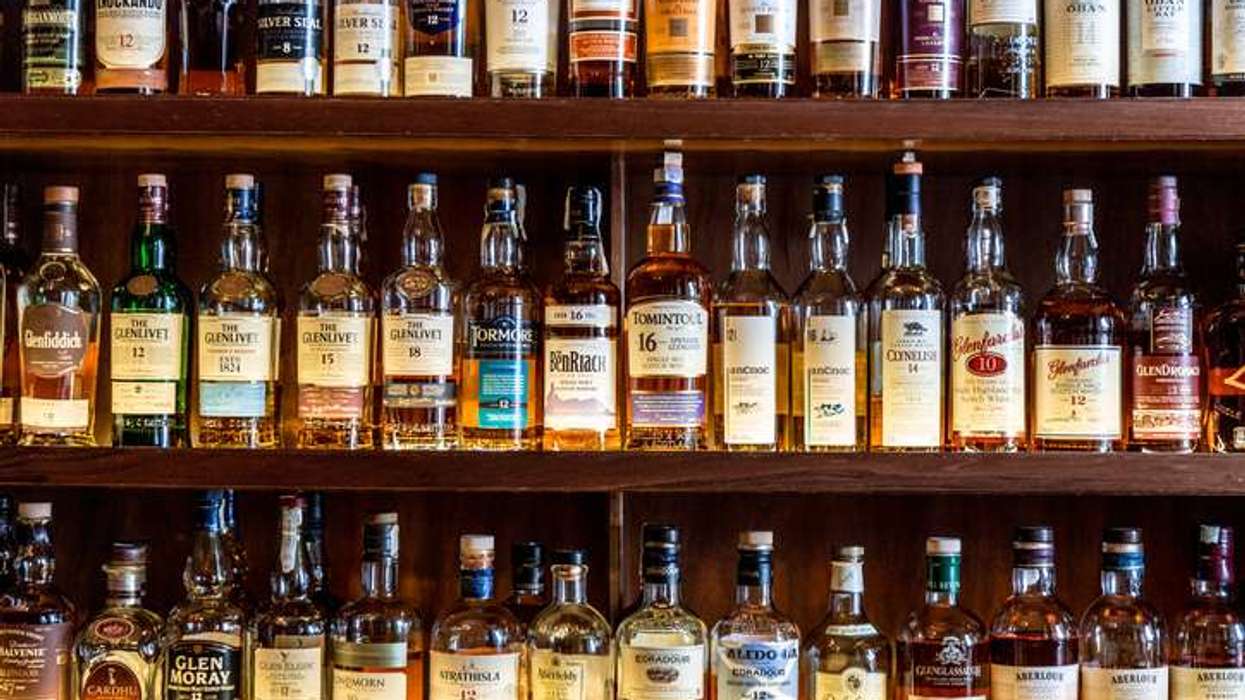
One of the most high-profile commitments made by India was a phased reduction in tariffs on Scotch whisky. Under the agreement, duties are due to fall from 150 per cent to 75 per cent initially, before being reduced further to 40 per cent over the next decade.
The free trade agreement also includes tariff reductions across a range of sectors including textiles, cars and other manufactured goods, while aiming to improve market access for businesses in both countries.
Steel becomes the sticking point
India is among several countries, including Brazil, Turkey, Japan, South Korea, Switzerland and Australia, that have raised concerns at the World Trade Organization over Britain's proposed steel measures.
The dispute focuses on changes to tariff-free quotas and the possibility of higher duties on certain steel imports. Indian officials argue the proposals could create additional barriers for exporters at a time when both countries are preparing to implement the trade deal.
Britain has maintained that the trade agreement represents a mutually beneficial arrangement. Ahead of his visit, Kyle said the deal would create significant opportunities for businesses and consumers in both countries, as quoted in a news report. He added that he looked forward to working with Goyal to ensure people begin seeing the benefits of the agreement as soon as possible.
A UK official reportedly said steel measures are not part of the discussions on implementing the free trade agreement.
The steel dispute is not the only issue on the horizon. Britain is also preparing to introduce a carbon border adjustment mechanism from January 1, 2027, covering imports including steel, aluminium, cement and fertilisers as part of its climate strategy.
For now, both governments continue to publicly back the trade agreement, which is expected to increase bilateral trade by an additional £25.5 billion by 2040. However, the emerging disagreement over steel suggests implementation may not be as straightforward as initially expected.