
Highlights
- India-UK trade agreement progressing through UK parliamentary ratification
- Implementation stalled over UK steel import restrictions not factored into FTA negotiations
- Scotch whisky tariffs in India to drop from 150 per cent to 75 per cent on enactment, falling to 40 per cent over 10 years
THE UK's Scotch Whisky Association, which has projected significant exports to India over the coming years, has expressed hopes for the swift implementation of the Free Trade Agreement (FTA).
The India-UK Comprehensive Economic and Trade Agreement (CETA) was signed during prime minister Narendra Modi's UK visit in July last year and has progressed through the UK parliamentary ratification process this year. However, last week it emerged that implementation has run into difficulties over the UK's upcoming steel import restrictions.
"Positive trading relationships with established and emerging markets around the world are the bedrock of Scotch whisky's success, and over the past year the Free Trade Agreement with India, tariff reduction in China, and the announcement of a zero tariff rate for the US have been good news for producers looking to boost exports," said Mark Kent, chief executive of the Scotch Whisky Association, ahead of a Downing Street event in London on Monday (18).
"We are grateful for UK government support and hope to see swift implementation of the India and US deals, as well as securing new international opportunities."
Commerce secretary Rajesh Agrawal told reporters last week that the UK's steel measure, which will limit tariff-free steel imports from July, had not been factored in while negotiating the FTA.
"We are working together to find a solution around the steel measure so that we can officialise the India-UK CETA at an early date," he was quoted as saying.
'Real benefits for British families'
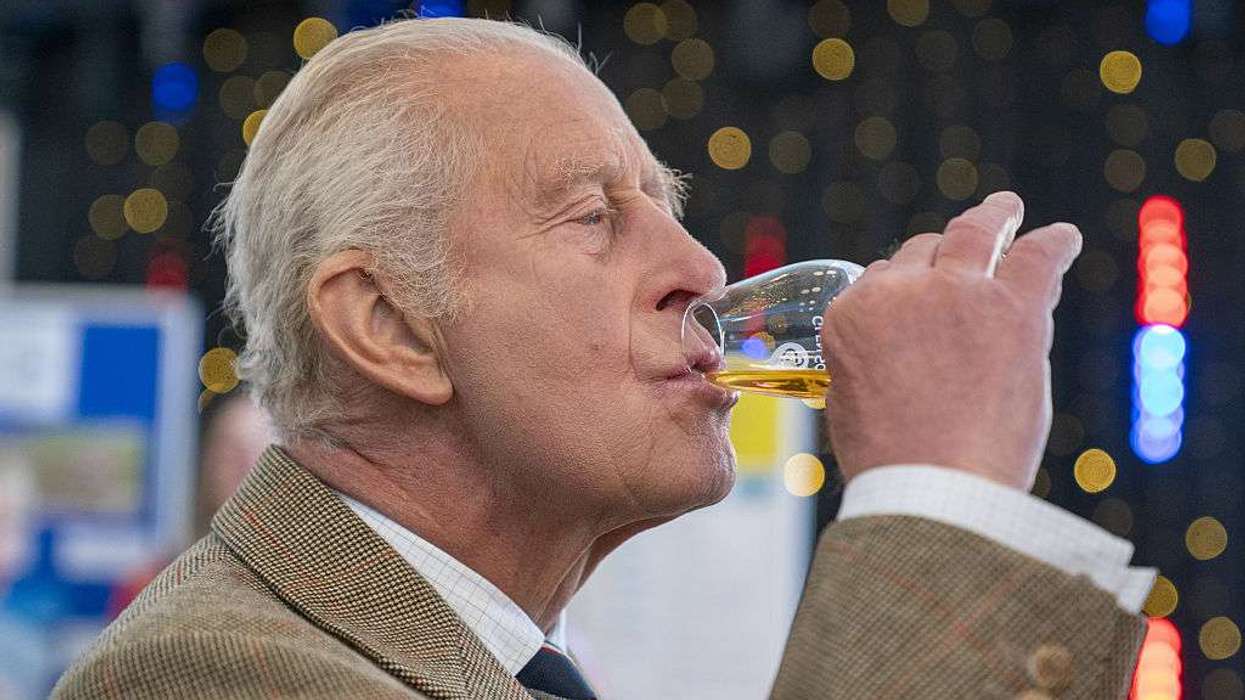
Scotch whisky is among the key British exports expected to benefit from reduced Indian import tariffs under the CETA. Once the agreement comes into force, tariffs on Scotch whisky exports to India will fall immediately from 150 per cent to 75 per cent, dropping further to 40 per cent over the next 10 years.
"Trade deals aren't abstract policy wins — they translate into real benefits for British families and businesses right across the country; whether it's a whisky distiller in Scotland accessing new markets in India or an automotive worker in the West Midlands with greater job security because of our deal with the US," said business and trade secretary Peter Kyle.
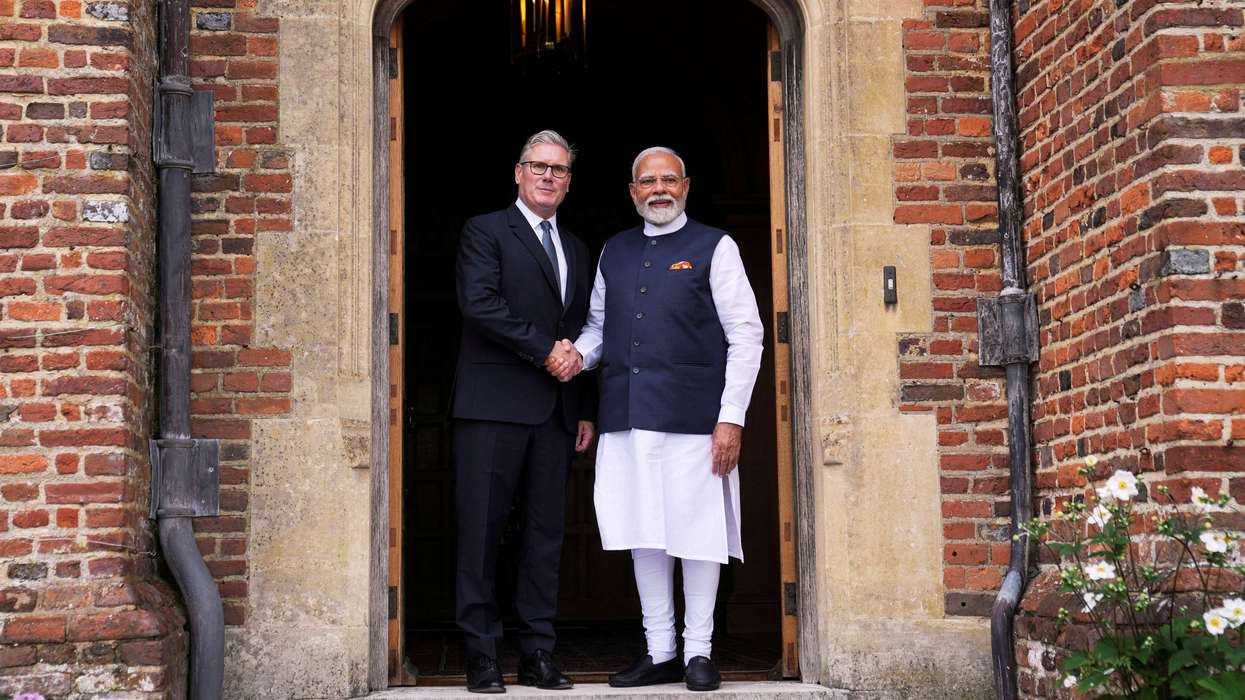 Prime ministers Sir Keir Starmer and Narendra Modi at Chequers in July last year, when the FTA was signed Kin Cheung/Pool/AFP/Getty Images
"By securing trade agreements, we can back British businesses to do what they do best: innovate, export and grow. That means more jobs, better wages and stronger local economies — not just today, but for decades to come," he said.
'UK-India FTA driving growth'
Downing Street said the India FTA is already "driving growth", with prime minister Keir Starmer's visit to India in October last year securing 6,900 jobs and the trade agreement estimated to boost wages by £2.2 billion a year in the long run.
"Our trade deals are supporting jobs and driving growth across the UK by opening up opportunities for people at every stage of their career, from apprentices starting out to experienced workers building new skills, as businesses expand into new markets," said Starmer, who hosted employers, workers and apprentices at 10 Downing Street to highlight his government's economic plan.
"I'm determined that growth is felt by working people with better jobs, higher wages and more money in their pockets. That's what our economic plan is about — taking action at home and abroad to deliver real change that people can see in their lives and their communities," he said.
Meanwhile, Starmer continues to face a leadership challenge within his own Labour Party following poor local election results earlier this month. He has vowed he would not "walk away" from the mandate handed to him in the July 2024 general election.
Greater Manchester mayor Andy Burnham has been confirmed as the party's candidate in the Makerfield by-election in northern England. If he wins and returns to the House of Commons, Burnham is expected to mount a formal challenge to replace Starmer as Labour leader and prime minister.
(PTI)