
- Uber has launched the UK’s first robotaxi service with 15 self-driving vehicles in London.
- Each car still has a trained safety driver who can take control if necessary — and one intervention happened during the first UK journalist ride.
- The launch comes as Waymo, Baidu and other companies compete to bring fully autonomous taxis to Britain.
London has finally got its first robotaxis. There is just one slightly awkward detail: they still need a human driver sitting behind the wheel.
Uber has launched what it describes as the UK’s first self-driving minicab service, putting an initial fleet of 15 autonomous vehicles on London’s roads.
The cars are electric Ford Mustang Mach-Es fitted with driverless technology developed by British AI company Wayve.
For passengers, the price will initially be no different from a standard UberX, Uber Electric or Uber Comfort journey. The self-driving option will only appear in the Uber app after a journey has been booked and if an autonomous vehicle is available nearby.
But passengers will not yet be travelling alone.
Each robotaxi must have a human safety driver ready to take control if the technology encounters a situation it cannot handle.
And during the first UK journalist ride in one of the vehicles, that safety net was actually used.
The robotaxi meets London traffic
The ride initially looked like a convincing demonstration of autonomous driving.
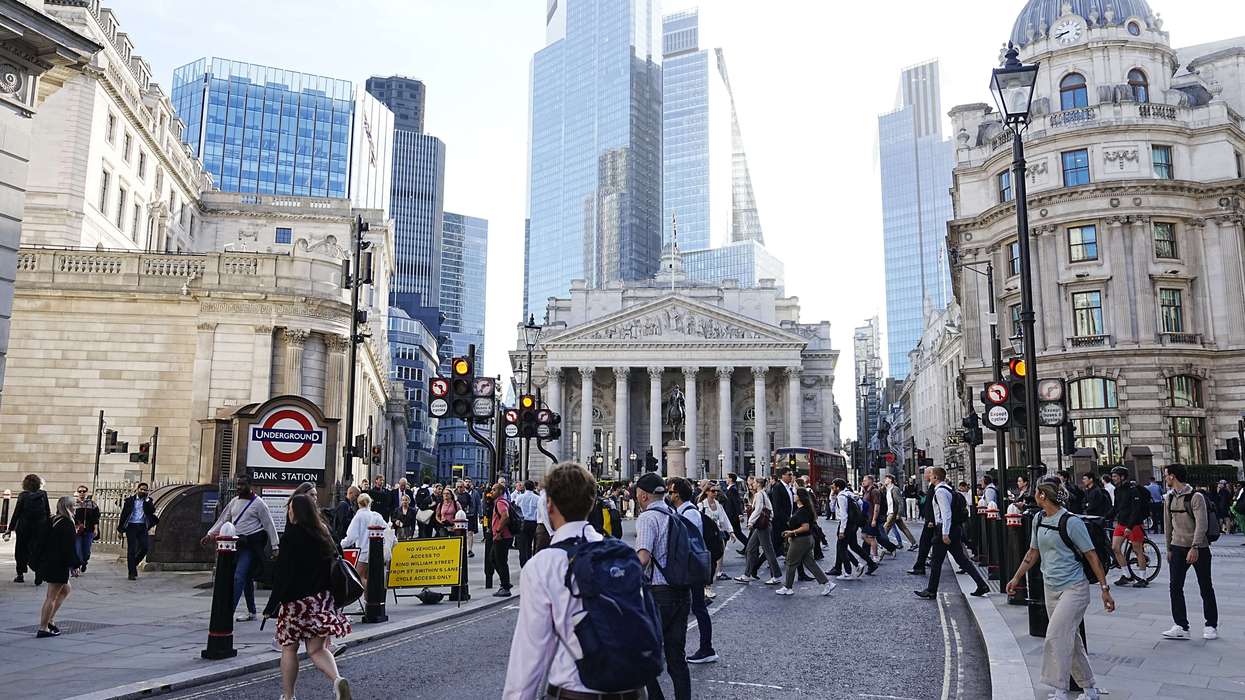
The safety driver gave a brief 30-second explanation before the car set off through central London, negotiating traffic lights, roadworks and busy streets without obvious problems.
The vehicle even responded when a cyclist paused at a mini roundabout and waved it forward.
Then a parked van created a more complicated situation.
As the Uber was pulling away on a narrow side road, the rear doors of the van appeared to swing open. The car braked sharply, an alarm sounded inside the vehicle and the safety driver took control.
The intervention lasted only a few seconds.
Wayve later said the decision to take control was made by the safety driver and that it was confident the AI system would have handled the situation itself.
But the incident neatly captures the stage the technology has reached.
The cars can drive themselves through some of the most complicated urban environments in Britain, yet a human is still there precisely because something unexpected can happen in a split second.
Uber says that is likely to remain the model for some time.
Sarfraz Maredia, Uber’s global head of autonomous mobility and delivery, said the company expected human-driven vehicles to remain part of Uber London for a long time, while giving customers the choice between a human driver and an autonomous vehicle.
The race to remove the driver
The launch is nevertheless a major milestone for Britain’s autonomous vehicle industry.
Uber says more than 100,000 London-based customers surveyed through its app said they would choose a self-driving taxi if one were available.
But the company is not alone in chasing the opportunity.
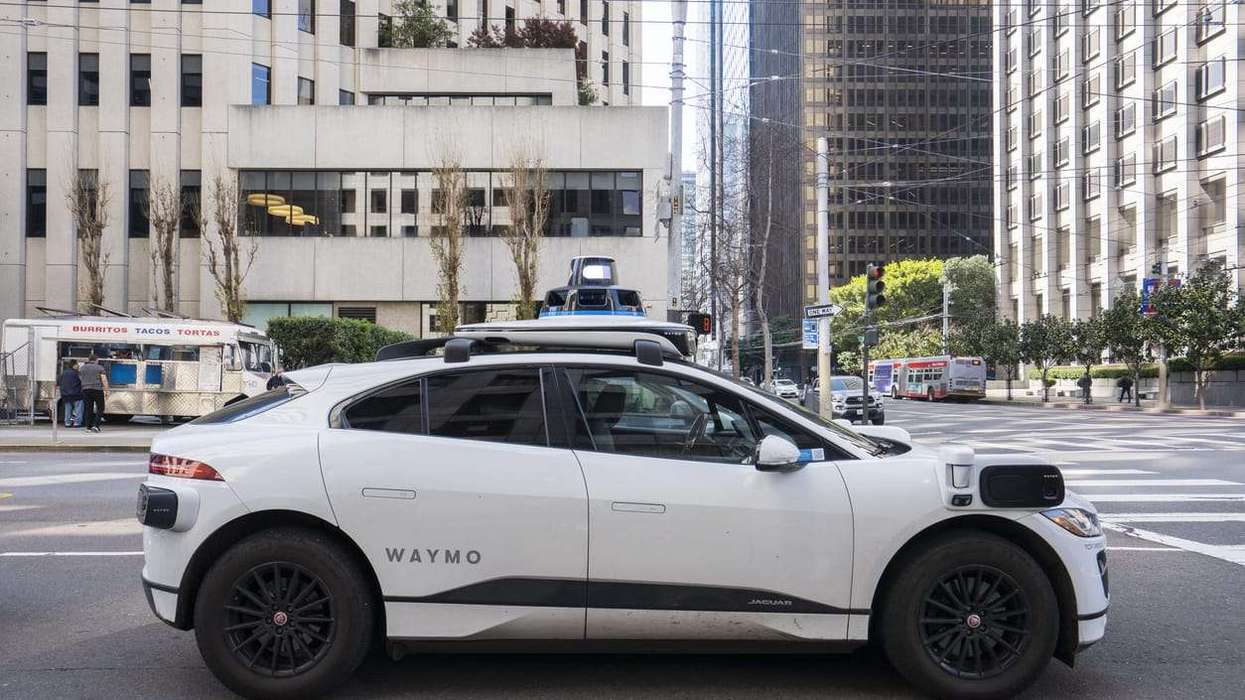
Waymo, the autonomous driving company owned by Alphabet, has already been testing vehicles on London’s streets, although its cars are not yet available to the public. The company has indicated that it wants to eventually operate without a human behind the wheel.
Chinese technology company Baidu is also seeking a place in the UK’s emerging autonomous vehicle market.
Wayve chief executive Alex Kendall has described the race to develop autonomous driving technology as the “space race for our generation”, while acknowledging that major technical challenges remain.
One of the biggest questions is what happens when a self-driving car encounters something that does not fit neatly into predictable traffic behaviour.
Human drivers routinely make judgement calls that may technically break a rule — such as mounting the kerb to make way for an ambulance. A machine has to determine not only what is safest, but how to interpret complicated situations involving emergency vehicles, pedestrians, cyclists and other road users.
Why fully driverless London is still waiting
The UK government and industry had previously suggested that fully driverless cars for hire could appear in London by the end of 2026.
That timeline now looks increasingly difficult.
The Department for Transport says it is working towards a framework that would allow self-driving services to operate from 2027, subject to safety testing, regulatory approval and local consent.
Transport for London has also defended its cautious approach, saying it needs to make sure the technology is safe before allowing it to expand.
That caution has frustrated parts of the industry, while trade unions have raised a different concern: what happens to the thousands of professional drivers whose jobs could eventually be affected?
For now, London is getting a compromise.
The car drives. The AI makes most of the decisions. But a human remains ready to intervene.
The real test will come when London decides that the human can finally get out of the driver’s seat.