
Highlights
- Waymo's self-driving cars being trained to navigate zebra crossings and London's medieval street layout
- First rollout of driverless technology outside US awaits secondary legislation from government
- Black-cab drivers oppose robotaxis, calling them a "fairground ride" as competition looms
Learning London's quirks
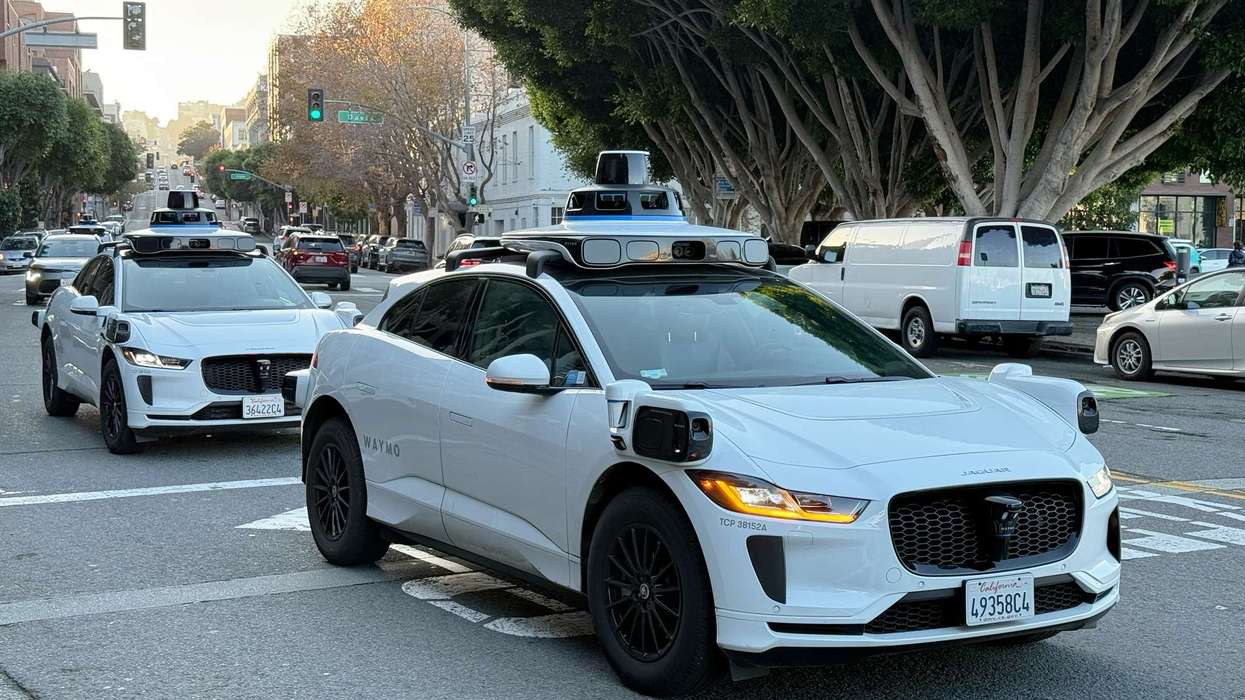
For the past two months, the vehicles have been manually driven around London to familiarise the technology with local nuances, particularly zebra crossings which differ significantly from American cross-walks.
Ben Loewenstein, head of EU and UK policy at Waymo, told The Guardian that the cars are being taught to "learn the nuances, learn about the zebra crossings.
"Unlike US crossings, British zebra crossings feature Belisha beacons – flashing yellow orbs on striped poles – and typically rely on subtle eye contact between drivers and pedestrians rather than traffic lights.
Nicole Gavel, senior director at Waymo, claimed the technology allows vehicles to "perceive the world around them more accurately and with more of a field of view than human drivers can."
The Jaguars are left-hand drive vehicles built in Europe, fitted with self-driving technology in America, then shipped back to Britain.
Regulatory hurdles ahead
Waymo's London launch awaits government legislation permitting driverless cars on UK streets. The Automated Vehicles Act received assent in 2024, establishing a self-driving safety framework, but secondary legislation is still required.
The Department for Transport confirmed the government intends to launch a passenger piloting scheme this spring, enabling operators to run services across Great Britain subject to safety requirements and local transport authority consent.
Lillian Greenwood, minister for local transport, told The Guardian, "We know that unlike human drivers, automated vehicles don't get tired, don't get distracted, and don't drive under the influence – making them likely to be safer than their human counterparts."
However, the Licensed Taxi Drivers' Association, representing black-cab drivers, opposes the rollout.
British self-driving company Wayve and Uber are also competing for the London market.
Waymo currently operates in six US cities: Atlanta, Austin, Los Angeles, Miami, Phoenix and San Francisco.