
Highlights
- Chandrasekaran says clarity on leadership is important for employees
- Tata stocks fall after news of chairman resignation
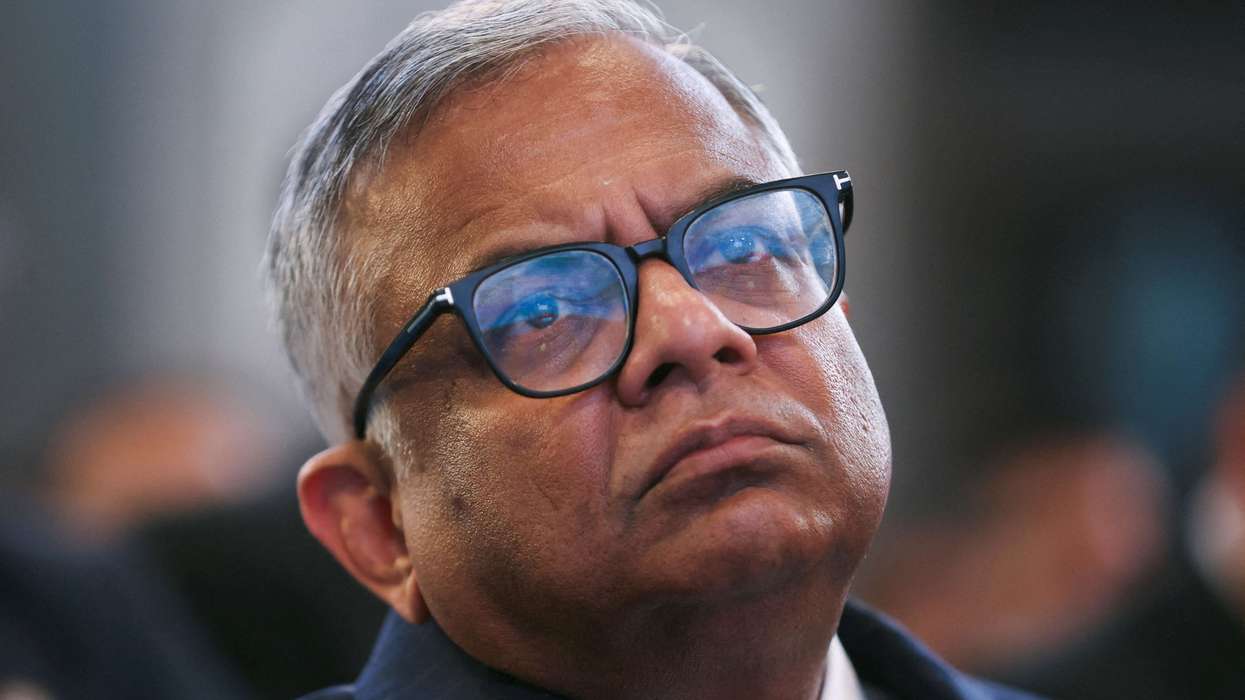
THE chairman of India's Tata Sons, N Chandrasekaran, said on Wednesday (12) that he will not seek reappointment at the end of his term due to a lack of backing from the board, following tensions with the charity arm that controls the salt-to-aviation Tata Group.
Disagreements have been brewing between Chandrasekaran, 63, and Tata Trusts, which owns 66 per cent of Tata Sons, over the past few months.
The two sides have clashed over whether Tata Sons should be listed, losses at group company Air India, how to handle the planned exit of a minority shareholder and board representation.
In February, Tata Sons — which controls more than 30 Tata companies, including IT firm TCS, Tata Motors and Air India — postponed a decision on reappointing Chandrasekaran as chairman after Noel Tata, chairman of Tata Trusts, opposed the move.
"It has been 6 months since that board meeting, and no resolution has been reached till date," Chandrasekaran said in his statement, adding he would continue in the position until February.
"Tata Sons is a very large institution, and there are many strategic projects that are under critical stages of execution ... clarity on leadership is important for employees, investors, partners and other stakeholders," he added.
Tata Trusts did not respond to a Reuters request for comment.
Corporate governance issues
Feuds between Tata Sons and Tata Trusts have roiled the storied 158-year-old Indian conglomerate before, most famously in 2016 when Tata Sons' board sacked the then-chairman after he fell out with group patriarch and charity arm's head Ratan Tata over corporate governance issues.
Shares in TCS, where Chandrasekaran built his career, slid 5.1 per cent, while Jaguar Land Rover-parent Tata Motors fell 2.5 per cent. Tata Steel and fashion accessory brand Titan each lost about two per cent.
Tata products are omnipresent in India, from salt and pulses to cars and hotels.
In the past financial year, Tata Group companies had combined revenue of $185 billion. The 26 that are publicly listed had a combined market capitalisation of $277 billion as of March 31.
Chandrasekaran joined the Tata Group in 1987 as an intern at TCS and spent his entire corporate career at the IT giant, rising through the ranks to become CEO in 2009, before taking over as Tata Sons chair in 2017.
The disagreements between Chandrasekaran and the Tata Trusts were the sole reason for his resignation, said a source with direct knowledge of his decision, who declined to be identified.
Over the past year, the Tata conglomerate has had to grapple with regulatory scrutiny of Air India following a fatal crash, pricing pressure at TCS and a cyberattack at Jaguar Land Rover that disrupted production and weighed on Britain's economic output.
(Reuters)


 Sara Sharif Photo: Surrey Police)
