
Highlights
- UK farmers report crop yields falling by up to 30 per cent after prolonged drought.
- July was the driest on record in England, according to the Met Office.
- Experts say Britain needs more diverse and climate-resilient farming systems.
- Farmers warn lower yields could mean higher food prices and greater government support.
FARMERS are facing lower crop yields and growing pressure to change how they farm after England recorded its driest July on record, with experts warning that climate change could pose a growing risk to the country's food supply.
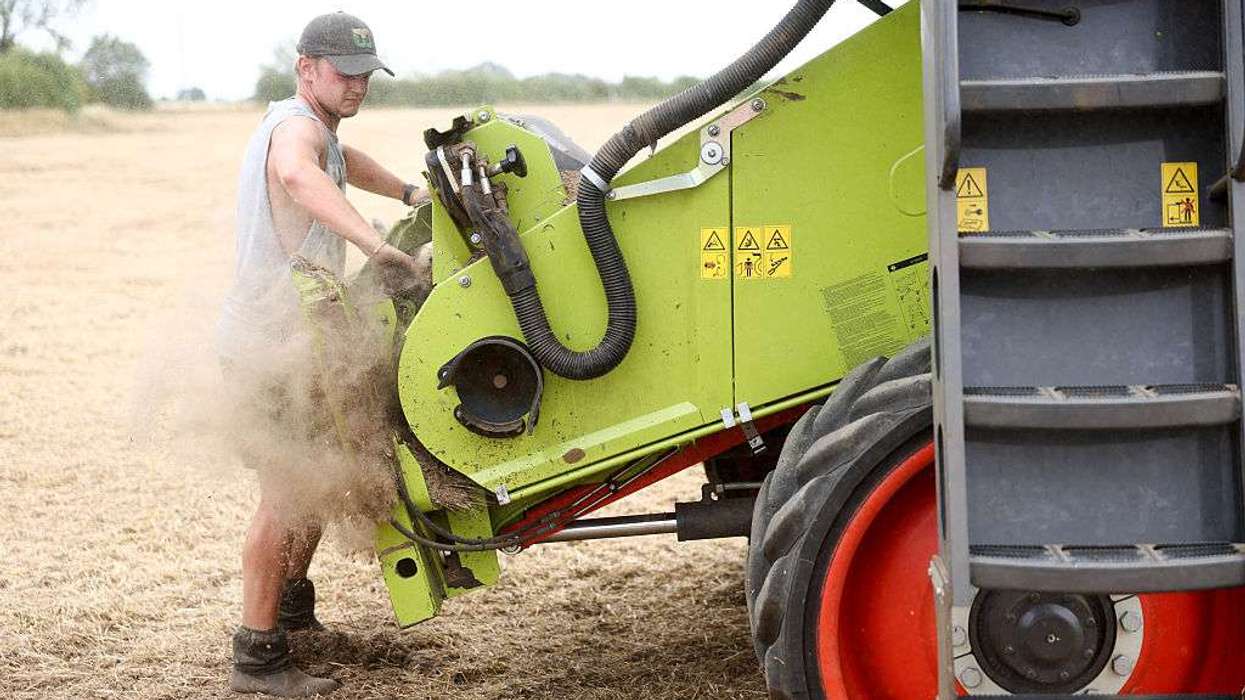
Farmers in parts of England have reported significant losses following months of low rainfall. John Pawsey, who farms organically in Suffolk, said yields of oats, wheat and vetch were between 25 per cent and 30 per cent lower than expected.
"All of our fears were realised when we got our combines into the field," Pawsey said. He said the drought had continued for weeks and his land had "suddenly, completely dried out".
Pawsey, 62, whose family has farmed in Suffolk for generations, said he was concerned about what continued weather changes could mean for agriculture.
"I am worried about the coming years," he said.
England experienced its driest July since records began, according to the Met Office, adding to a series of weather challenges faced by farmers in recent years.
The prolonged lack of rain has affected a range of crops. Nicola Cannon, a professor at the Royal Agricultural College, said this year's pea crop had produced only "50 per cent of what we wanted".
There had been "very little moisture since March", she said.
Pawsey's farm also lost its entire quinoa crop.
"We just had no rain," he said. "The only things that started growing were docks and thistles."
The impact has renewed concerns about Britain's food security, particularly if dry conditions become more common.
Tom Bradshaw, president of the National Farmers' Union, told the BBC that shortages of some foods could emerge if drought conditions continued.
"We have taken our food supply for granted for far too long," he said.
Farmers look to new crops
Some farmers are already testing different crops and methods to cope with hotter and drier conditions.
Pawsey's farm has experimented with crops such as fava beans and chickpeas, which can be better suited to warmer, drier conditions. It has also tested growing two crops together in the same field to improve resilience.
He said the government needed to help farmers "making a transition" towards more resilient farming methods.
Food security expert Timothy Benton said Britain needed to move towards "a more circular, diverse farming system" that would be less dependent on imports such as fruit and fertilisers.
"Climate impacts will become greater," Benton said, adding that "food systems will have to change".
He also said Britain needed more investment in technology and farming methods that could help prepare for worsening climate conditions.
"We've invested too much in worrying about wheat genetics and not enough about farming systems," Benton said.
Cannon has been growing soya and hopes the crop can be introduced more widely to British farms as part of efforts to diversify food production.
She said consumers could also help by buying seasonal British produce, giving farmers greater certainty and allowing them to invest in adapting their businesses.
Lower yields, however, can make it harder for farmers to invest in new methods and crops.
"If farmers are not making money, where is the capital going to come from to invest in adaptation?" Cannon said.
The government has said food security is a national priority and promised record investment in water infrastructure, including nine new reservoirs.
(with inputs from AFP)