
- NFU warns prolonged drought could lead to shortages of some food products.
- Wheat, barley, oats and vegetables are among the crops under the greatest pressure.
- Farmers are calling for greater investment in water storage as drought becomes more frequent.
Britain's prolonged drought is beginning to raise concerns about UK food security, with the National Farmers' Union (NFU) warning that continued dry conditions could lead to shortages of some food products in the months ahead.
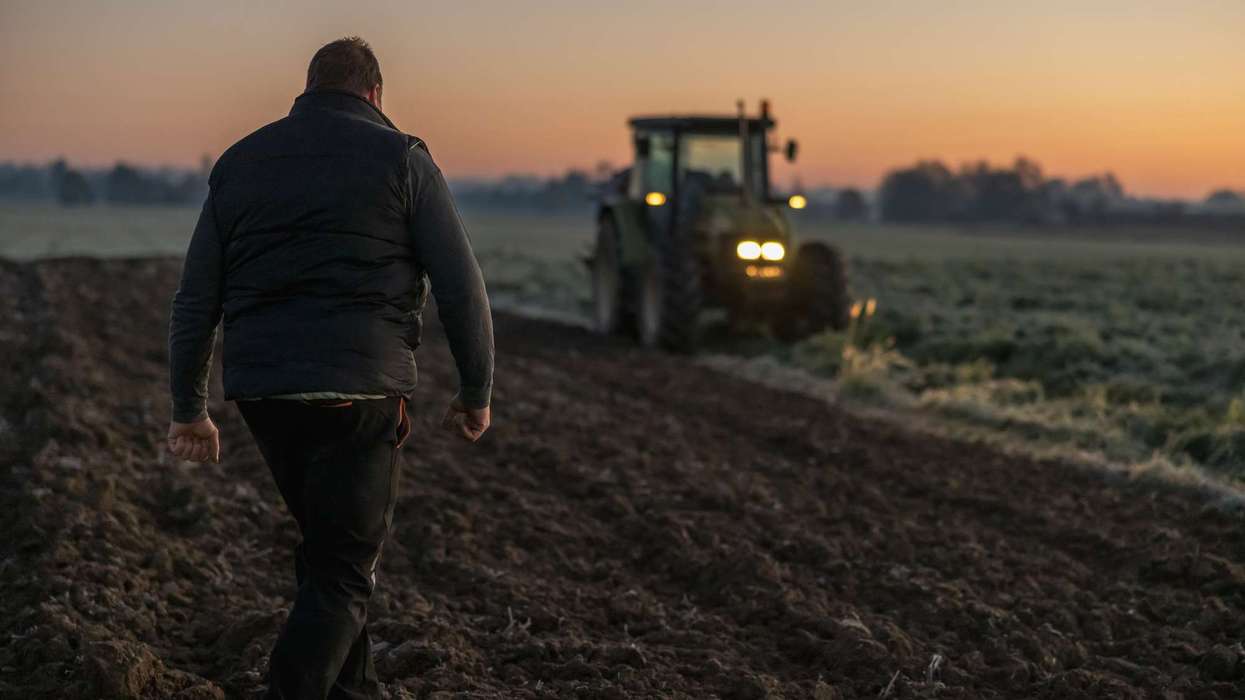
The warning comes as large parts of England and the whole of Wales remain under drought conditions, while the UK Health Security Agency has issued heat-health alerts across several English regions as temperatures climb above 30C. Farmers say the combination of extreme heat, limited rainfall and water restrictions is making it increasingly difficult to grow crops and maintain livestock.
NFU president Tom Bradshaw, reportedly speaking to the BBC, said wheat and oat harvests have been "very, very poor" this year, while many livestock farmers have already started using winter feied because grass has failed to grow during the dry spell.
A growing challenge for Farmers are warning that heatwave conditions are putting pressure on crops and could create challenges for supermarket food supplies.
The latest drought follows severe winter flooding that delayed planting across many farms. Now, many growers face the opposite problem, with reservoirs and rivers running low and irrigation restricted just as crops need water the most.
According to the Met Office, England received only 8 per cent of its average rainfall during July, making it likely to be the driest July on record. In some areas, there has been no meaningful rainfall for more than a month. Farmers say wheat crops are around half their usual height, while England is experiencing one of its earliest harvests as growers try to salvage what they can.
The Agriculture and Horticulture Development Board says cereals including wheat and barley have been among the hardest-hit crops. Vegetable producers are also facing mounting pressure as shrinking water supplies reduce production and increase growing costs.
Bradshaw reportedly said water security should now be viewed as part of the UK's national security, arguing that farmers need greater support to build reservoirs and water storage systems to prepare for increasingly frequent droughts. He also warned that relying more heavily on food imports may become more difficult as climate pressures affect agricultural production in other countries as well.
The latest warnings come as Britain experiences its third drought in five years, prompting many in the farming sector to describe prolonged periods of extreme weather as an increasingly permanent feature of UK agriculture rather than an exceptional event.