
- Britain's cereal and oilseed harvest could fall to 19.5 million tonnes, the lowest since records began in 1984.
- Farmers are expected to lose up to £390 million as drought and heat reduce crop yields.
- Industry leaders warn shoppers could see shrinkflation, higher prices and more imported produce.
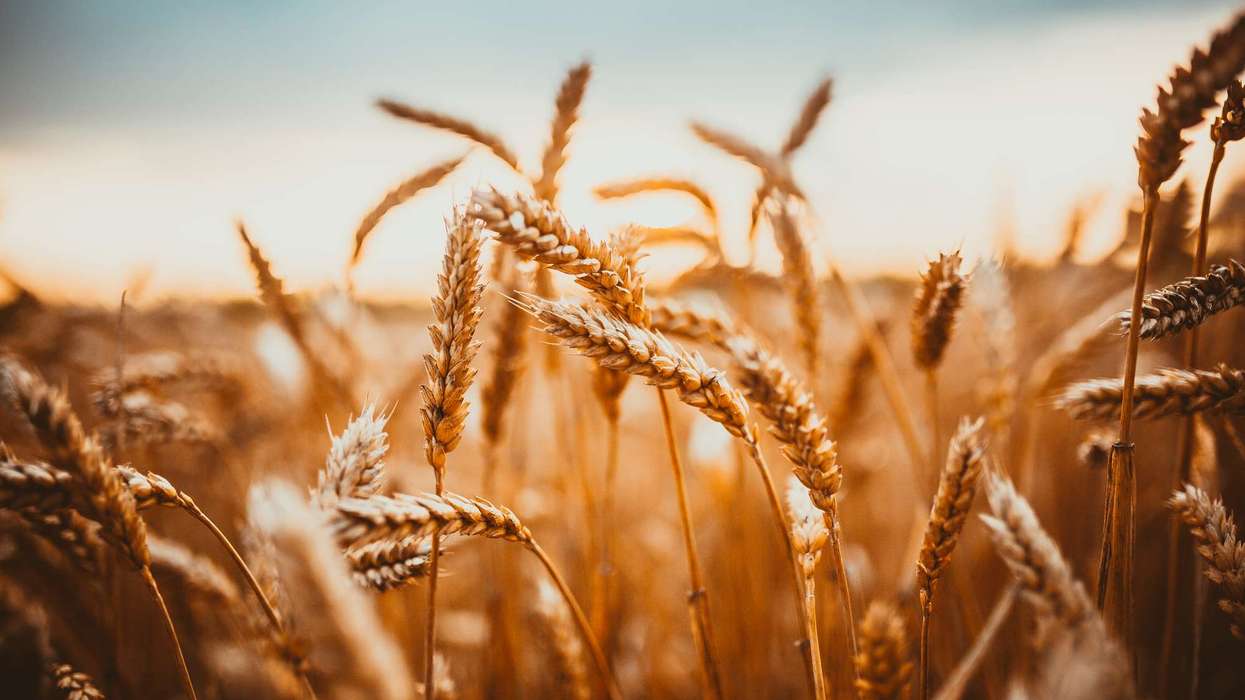
Britain's cereal harvest is on course to become the worst since comparable records began in 1984, raising concerns that shoppers could soon face smaller fresh produce, higher food prices and greater reliance on imported crops.
New analysis by the Energy and Climate Intelligence Unit (ECIU) suggests the UK's cereal and oilseed harvest could fall to 19.5 million tonnes, around 2.5 million tonnes below earlier forecasts. If confirmed, it would overtake 2020 as the poorest harvest on record and leave arable farmers facing losses of up to £390 million in revenue.
From fields to supermarket shelves
The poor harvest follows one of the hottest and driest growing seasons in recent memory. According to the Met Office, England recorded its warmest June on record, while England and Wales experienced their driest July since records began. Drought has also been declared across large parts of England and throughout Wales.
The difficult conditions have affected key crops including wheat, barley, oats and oilseed rape, all of which play an important role in the UK's food supply. Wheat yields are currently estimated at 6.8 tonnes per hectare, well below the 10-year average.
The impact is expected to extend beyond cereals. Tim O'Malley, chairman of Nationwide Produce, reportedly said consumers are likely to notice "shrinkflation" in supermarkets, with retailers selling smaller fruit and vegetables at the same price because of reduced yields and lower-quality crops.
He also reportedly said supermarkets would try to avoid raising prices for as long as possible, but added that additional imports could eventually push costs higher.
According to O'Malley, retailers are already importing products such as broccoli and iceberg lettuce from Spain at a time of year when British produce would normally dominate supermarket shelves.
Climate pressures deepen concerns for farmers
The ECIU said prolonged dry weather, record temperatures and uncertainty over future climate conditions have combined to produce another difficult year for UK farmers.
With 54 per cent of the wheat harvest already completed, current estimates suggest this year's harvest will rank among the worst on record even if yields improve during the remainder of the season.
The think tank said four of the five poorest harvests since 1984 are now expected to have occurred within this decade following periods of extreme weather linked to climate change.
Tom Lancaster, land, food and farming analyst at the ECIU, reportedly said farmers had entered spring expecting a stronger season before drought and repeated heatwaves severely reduced crop yields.
Martin Lines, chief executive of the Nature Friendly Farming Network and a farmer in Cambridgeshire, reportedly described the season as "a real kick in the teeth", adding that months of dry weather had wiped out what initially looked like a promising harvest.
The figures come days after the National Farmers' Union warned that prolonged drought could lead to shortages of some food products and called for greater investment in water storage. More than 100 organisations have also urged Prime Minister Andy Burnham to make food security a national priority alongside defence and energy.
The warning is not limited to Britain. Farmers across Europe have also reported falling crop yields and warned that prolonged periods of extreme weather could reduce production and place further pressure on food prices in the months ahead.