
Highlights
- Around 5,000 jobs, or 5 per cent of Barclays’ global workforce, are set to go by the end of the year.
- About 60 per cent of the cuts will affect support functions, including software developers.
- Third-quarter pre-tax profit rose 12 per cent to £2.3 billion.
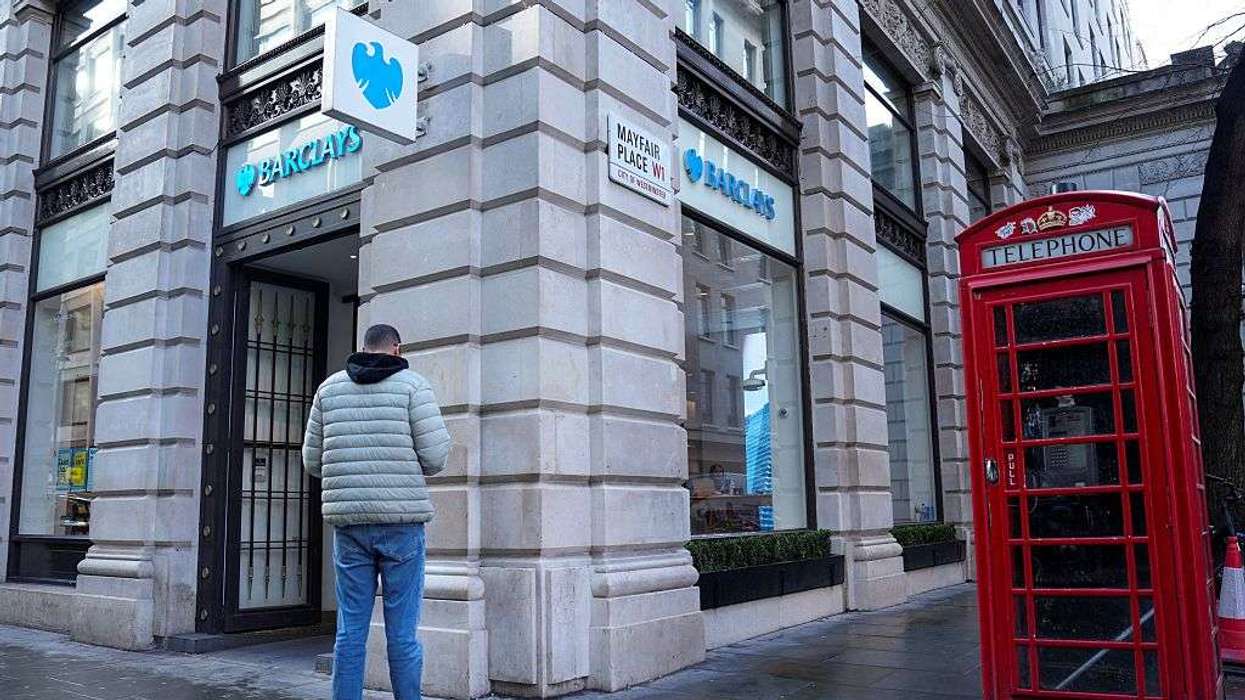
BARCLAYS plans to cut around 5,000 jobs by the end of 2026 as it uses artificial intelligence (AI) to improve efficiency, with most reductions affecting support and operational roles.
The British banking group said it had already removed 1,000 jobs in the first half of the year, with another 4,000 expected to go by the end of December. According to reports, the cuts amount to about five per cent of its global workforce.
Barclays said the reductions were part of efforts to simplify its organisation and improve efficiency through technology, including AI.
“About 60 per cent of the job losses relate to support functions, including fewer developers as AI makes our people more productive,” the bank said.
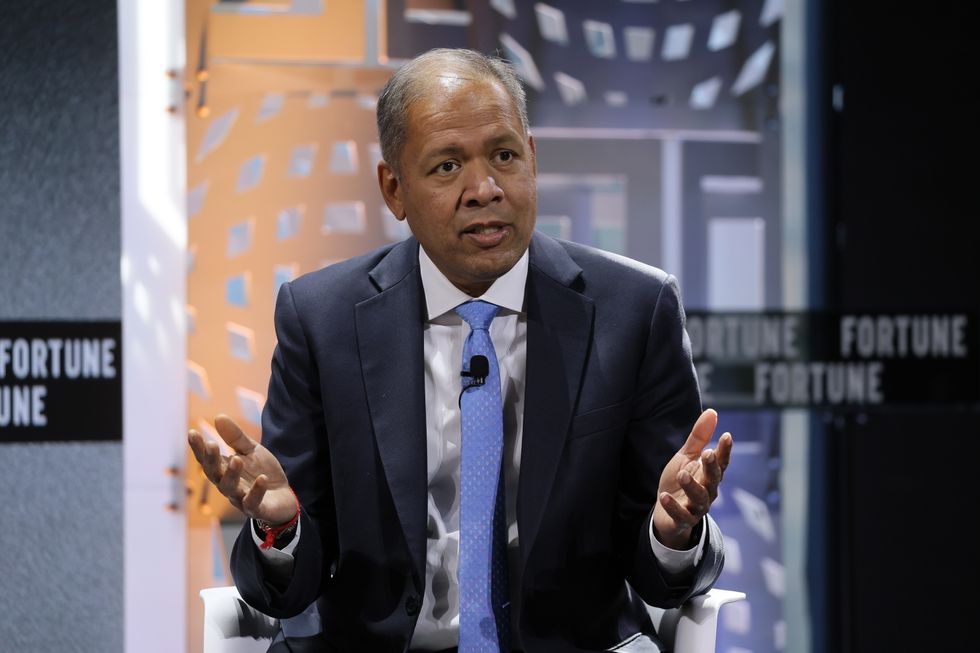
Group chief executive CS Venkatakrishnan said the job cuts reflected investments in technology made over several years.
“They are a result of the investments which we've made into technology over a number of years and which we continue to make,” he said.
The announcement comes as businesses and investors look for evidence that spending on AI is helping companies reduce costs and change how they operate.
Barclays is nearing the end of a three-year cost-cutting programme, which has focused mainly on its UK retail banking business, although other divisions have also been affected.
Profits rise despite trading pressures
The job announcement came as Barclays reported pre-tax profits of £2.3 billion for the third quarter, up 12 per cent from the same period last year. Net profit rose 13 per cent.
However, the results fell slightly short of City expectations, partly because of a weaker performance in fixed-income trading, where profits dropped 19 per cent year on year.
 C.S. Venkatakrishnan C.S. Venkatakrishnan
Income from stock trading rose 47 per cent to £1.01 billion as market volatility created opportunities for banks.
Barclays also reported cost savings of £600 million so far this year, twice the £300m target it set in February.
Much of the saving came from its UK banking business. Average savings in that division rose to £158m, compared with £76m in 2024 and 2025.
Barclays is among a growing number of banks looking to use AI to change their operations and reduce their reliance on some staff roles.
Standard Chartered chief executive Bill Winters earlier announced plans to cut almost 8,000 jobs as the bank puts AI at the centre of its strategy. His comments about replacing “lower-value human capital” attracted criticism.
HSBC is also planning to reduce the number of financial advisers in its UK business by close to 70 per cent as it seeks to use AI to help serve wealthy clients.
The moves have raised questions about how the technology will affect employment across the financial services industry, particularly in administrative, support and other roles where tasks can be automated.
Bank tax debate ahead of Budget
Barclays’ results also come amid expectations that chancellor John Healey could raise taxes on banks in the upcoming budget.
One option would be to reverse cuts to the bank surcharge introduced by former chancellor Jeremy Hunt, a move that could raise more than £2bn a year.
Venkatakrishnan said banks already made a significant contribution to government tax revenues and cautioned against measures that could affect the UK's position as a financial centre.
He said taxation was a “question of proportion and of market signalling”.
However, he acknowledged the pressure facing the chancellor, saying: “He is the man in the arena and I deeply respect the responsibility on his shoulders, and I wish him well.”
Barclays has also been moving towards a pay structure that gives bankers higher bonuses and lower fixed salaries, linking more of their remuneration to performance. The change is expected to increase costs by £130m in 2027.
(with inputs from agencies)