
BARCLAYS has abandoned its diversity targets for its American operations following Donald Trump's election victory and subsequent campaign against what he terms "woke" corporate policies, despite recently affirming its dedication to such initiatives.
The British banking giant confirmed it will no longer pursue specific representation goals in the US while maintaining diversity commitments in the UK and other markets, reported The Telegraph.
"We started reviewing our overall approach in late 2024 and that review is still underway. In the meantime, we have taken the decision to no longer have specific US representation ambitions," a Barclays spokesperson was quoted as saying.
The bank is scrapping its goal to have women hold 33 per cent of director and managing director positions by the end of 2025. It is also abandoning plans to boost ethnic minority executive numbers by 50 per cent.
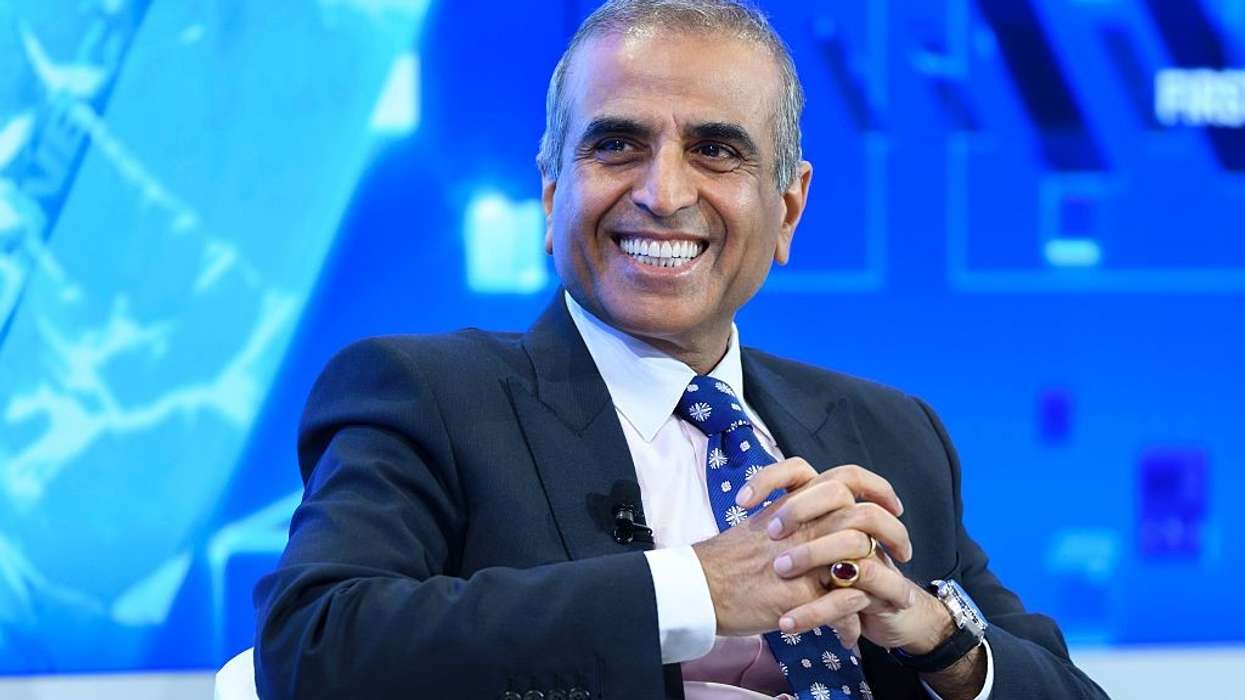
In an internal memo, chief executive C S Venkatakrishnan said, "The group executive committee has been carefully considering the changed environment in the US. As a global organisation, we have always complied with the local requirements in the jurisdictions in which we have operated. In doing so, we have remained faithful to our workplace culture."
This policy shift comes just two months after Venkatakrishnan publicly supported inclusion efforts, telling reporters in February: "If you want to get the very best people, by necessity, you get a very diverse workforce. We want to provide equality of opportunity, and we want to create that inclusive environment."
Barclays' move follows Trump's widespread crackdown on diversity programmes, which included banning all such initiatives across US federal government departments.
Other financial institutions have responded similarly to the new political climate. Morgan Stanley and Citigroup have scaled back their diversity programmes, while JP Morgan has rebranded its initiatives as "Diversity, Opportunity and Inclusion" (DOI).
Major British companies operating in America, including consultancy firm Deloitte, have likewise dropped their US diversity programmes while preserving them in Britain.
According to Barclays' most recent diversity report, women occupied 30 per cent of executive positions at the end of 2023.
The bank reported that 5.1 per cent of its British workforce and 21 per cent of its US employees came from what it terms "under-represented minorities."