
Highlights
- UK's share of global foreign capital has fallen from 8.6 per cent to 7 per cent over the past decade
- CS Venkatakrishnan said Britain must work harder to attract international investors
- The bank called for clearer policies and stronger engagement with overseas investors
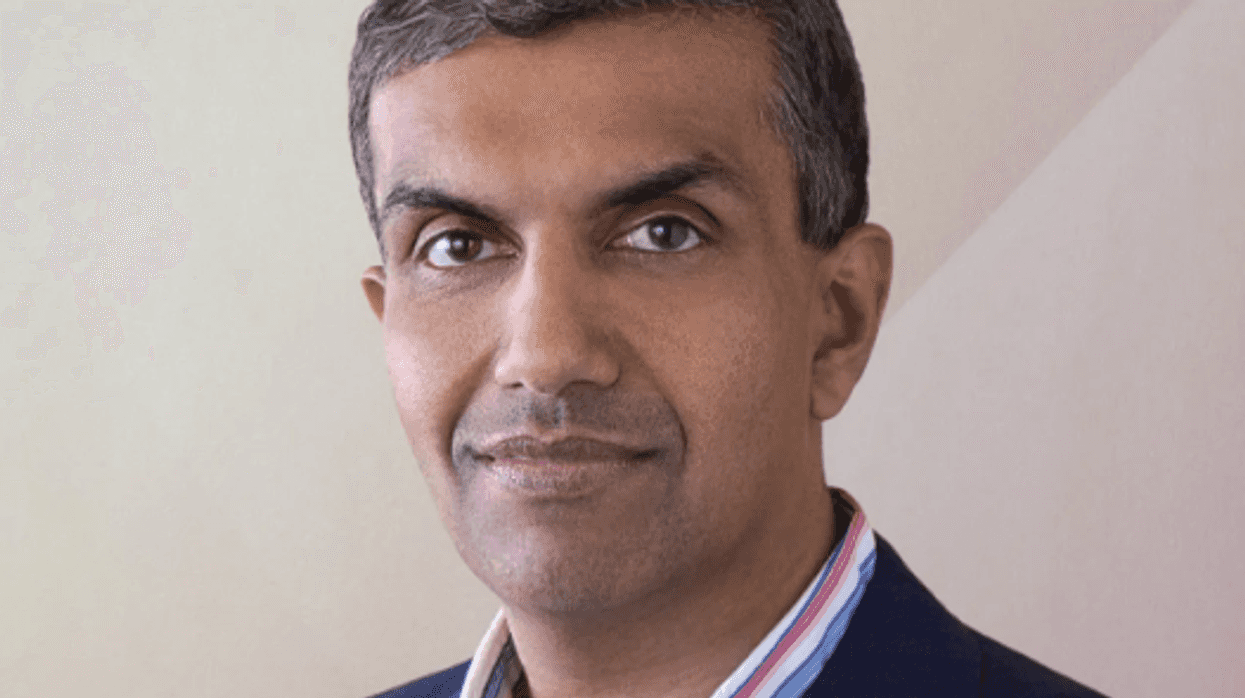
BRITAIN must compete more aggressively for overseas investment as global competition for capital intensifies, Barclays chief executive CS Venkatakrishnan has warned.
Speaking after the release of a Barclays report on foreign investment trendsreport on foreign investment trends, Venkatakrishnan said the UK risked losing its position as a leading investment destination unless it adapts to a changing global landscape.
"Competition for global capital is now fiercer than ever," he was quoted as saying. "We must now fight more assertively for our place in an increasingly competitive world."
According to the study, Britain's share of global foreign capital has fallen from 8.6 per cent to 7 per cent over the past decade. The report said faster-growing economies, including several emerging markets, are attracting a greater share of international investment.
Despite the decline, the UK remains the world's second-largest destination for overseas investment after the US, hosting around £12 trillion in foreign capital.
Barclays estimated that the total could have been £2.5tn higher if Britain had maintained its share of global investment from 10 years ago.
Business environment should boost investor confidence
Venkatakrishnan said the UK needed a "clearer story on our advantages as a home for global capital flows" and called for a "regulatory and business environment that boosts investor confidence".
The report, first reported by the Telegraph, argued that Britain should not be viewed as having become less attractive to investors across the board since Brexit.
While investment from some major economies, particularly in Europe, has weakened, the study found that about 60 per cent of countries increased the share of their overseas investment directed towards the UK between 2015 and 2025.
However, Barclays said reinvestment by foreign-owned businesses already operating in Britain has declined over the past decade.
The bank linked this trend to periods of economic and political uncertainty and said greater policy stability would encourage companies to expand their existing operations in the UK.
The report also called for a "clearer and more confident global narrative" about Britain's strengths and urged policymakers to widen efforts to attract investment from a broader range of countries, including emerging markets.
'Less engaged in attracting overseas investors'
Lord Mandelson, who previously served as the UK’s ambassador to the US, has said the UK government appears less engaged in attracting overseas investors despite strong interest from major US financial firms.
In messages made public on Monday (1), Mandelson said there was clear demand for UK assets among American investors.
“There is a large appetite for UK investment in the US – I have met the CEOs of Blackstone and Bridgewater,” he wrote in May last year to Pat McFadden, then a Cabinet Office minister. However, he added that “there is a lot of goodwill, but UK government engagement has become routinised and distant.”
The bank’s analysis comes amid wider debate over Britain’s investment climate. Some industry figures continue to link current borrowing costs to market reactions during Liz Truss’s short premiership, which critics say created a lasting “moron premium” on UK government debt, making borrowing more expensive than in countries such as France and Italy.
Besides, uncertainty around the government’s direction, including speculation about potential leadership challenges to Sir Keir Starmer and rising support for Reform UK in polls, has added to questions about long-term policy direction.
Sir Martin Sorrell, executive chairman of S4 Capital, said the situation was damaging the UK’s reputation abroad.
Speaking to the Financial Times, he said Sir Keir Starmer was “hanging on by his fingernails”. He added, “People abroad must think it’s a comic convention.”
He also pointed to wider global instability, including conflicts in the Middle East, tensions between the US and China, and the war between Russia and Ukraine, as factors already weighing on business confidence.