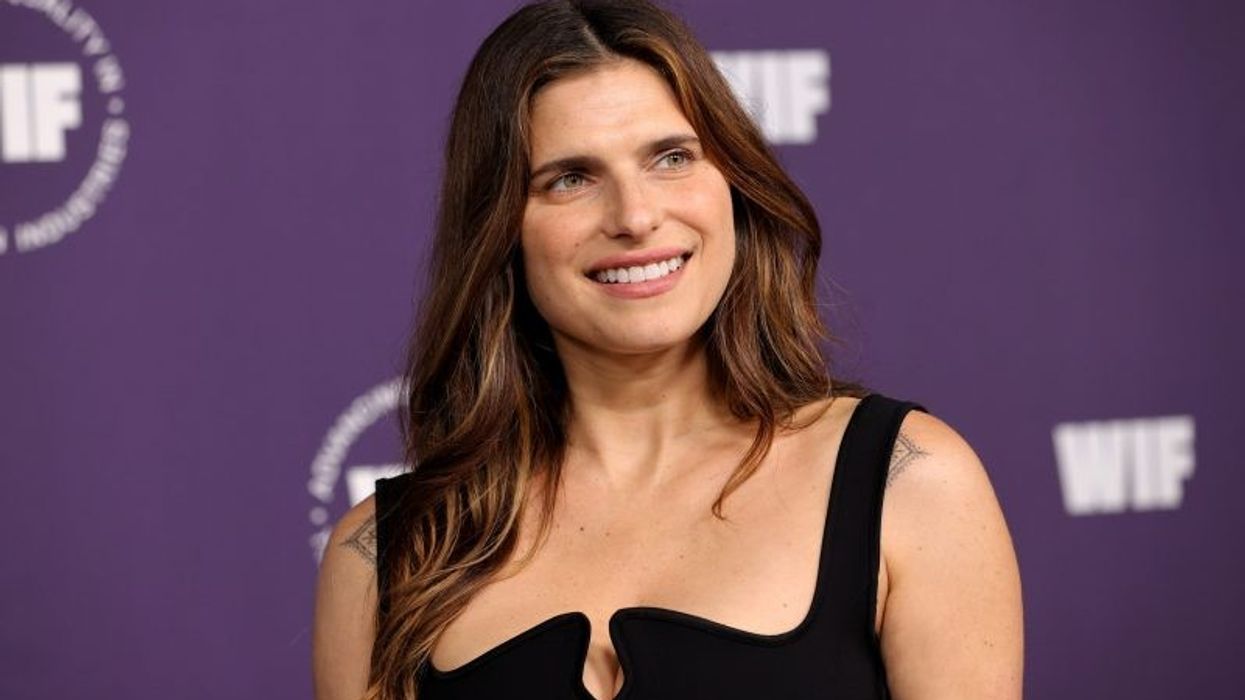

Actor-director Lake Bell says she felt “protective” of Pamela Anderson and her story during the making of Pam & Tommy and insists that the series hasn't exploited the former Baywatch star's infamous 1990s sex-tape scandal.
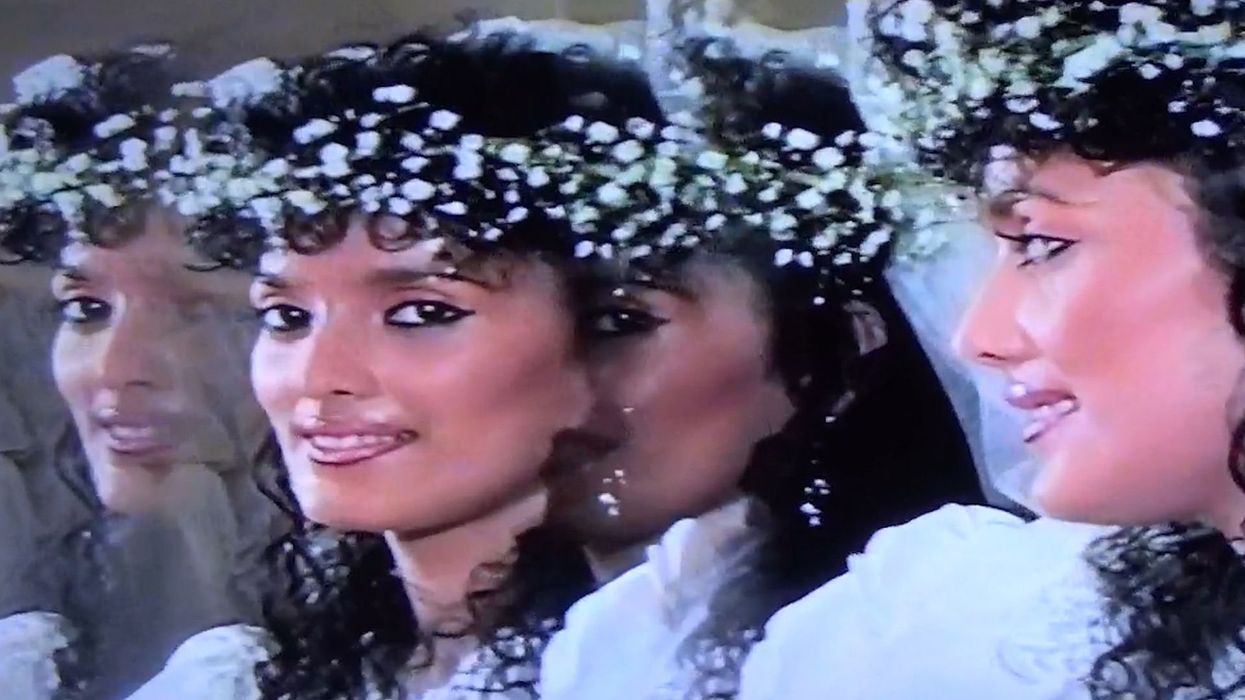
Set in the early days of the internet, the show depicts the true story of Anderson (Lily James) and musician Tommy Lee (Sebastian Stan) and how their sex tape was stolen from the couple's home by a disgruntled contractor (Seth Rogen).
The duo got married in 1994 and parted ways in 1998. The video went from underground bootleg-VHS curiosity to full-blown global sensation when it hit the web in 1997.
Also Read | Shang-Chi star Simu Liu announces family memoir We Were Dreamers
The 42-year-old actor-filmmaker said after hearing the story of Pam & Tommy, her intention was to humanise the real-life traumatic incident as she has been through a similar experience. "I have been a wife, I have my mother, I'm a daughter, a sister and I am a victim of the property being stolen from my computer in the form of an image. So, coming at it from that perspective, I had a much bigger bone to pick as it were. I was more invested in the humanisation of these people, particularly Pam. I felt quite protective over the Pam story,” Bell told PTI in a Zoom interview.
Bell, known for featuring in films such as What Happens in Vegas (2008), It's Complicated (2009), No Strings Attached (2011) and Million Dollar Arm (2014), has directed two episodes of the limited series, which has been created by Robert Siegel.
The filmmaker, whose private pictures were leaked online in 2014, said she dealt with the subject with utmost sensitivity.
"I felt sensitivity and responsibilities in my chapters of this story and we all worked together to make sure that it was a harmonious creative path that we were going just cohesively," said the director of films such as In a World (2013) and I Do... Until I Don't (2017).
Bell said her intention was to give Anderson a voice with the story's treatment. "Additionally, making sure that no way we were going to depict Pam in a way that was dehumanising because it was very important that we got to give her voice rather than what she had been served in the reality of this situation when it happened in real-time," she added.
What moved her about Pam & Tommy was how the creators of the show were committed to inspiring the conversation around how society portrays women in the media and “exploits” them, she said.
"We wanted to give the story an opportunity to write itself in allowing for society at large to be culpable and to be responsible for that kind of abuse and misuse of private property... "I also think that society has made it harder for women to express anger and rage."
Bell said Pam & Tommy was a welcome departure for her from the work that she has done as a director. "I have directed things that are more light-hearted. As we grow, there comes interest and a hunger to grow in our careers. This was a beautiful and welcome departure from what I have been doing. And it has unlocked something in me that is pretty exciting. I'm really excited for my opportunity to expand as a filmmaker and creator," she said.
The first three episodes of Pam & Tommy premiered on Hulu on February 2 with the rest of the episodes debuting weekly. In India, the show is streaming on Disney + Hotstar.