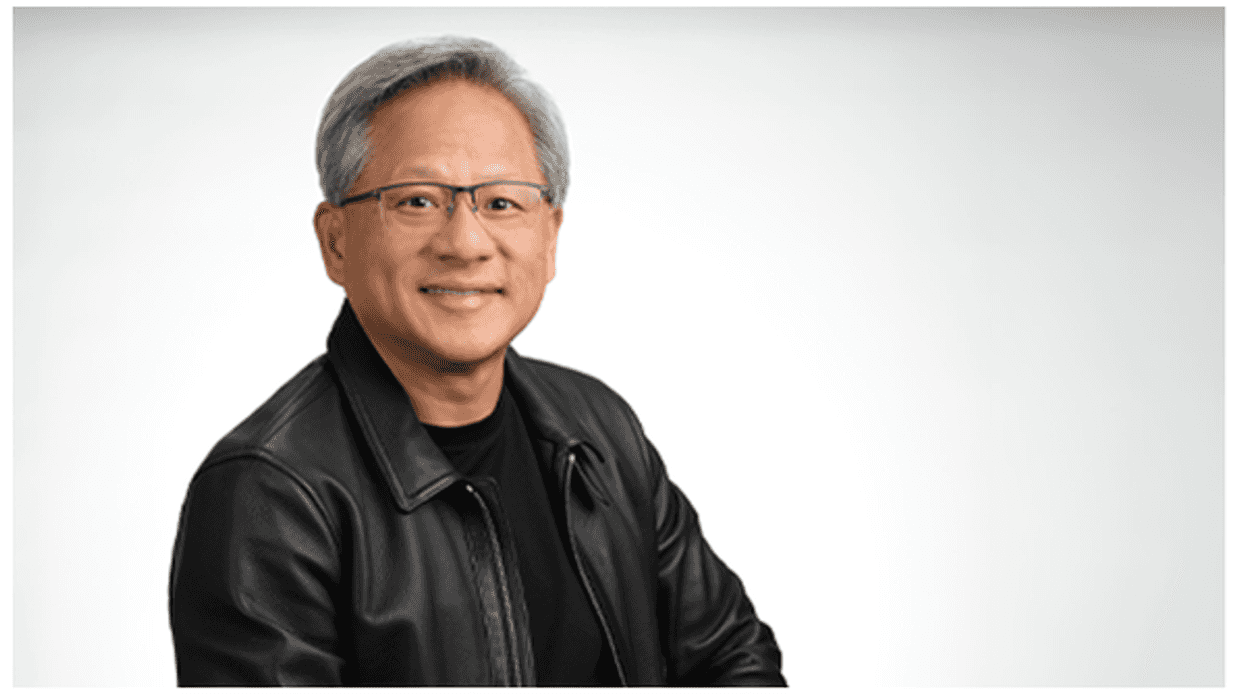

- Nvidia reinstated Huang as president, CEO and board member on November 23, following a unanimous board vote.
- The board said input from senior US government officials gave it confidence that his return posed no national security risk.
- An independent investigation into reports that Huang was targeted by a foreign intelligence operation will continue.
Nvidia has reinstated co-founder Jensen Huang as its president and chief executive officer, reversing its earlier decision to rule out his return just days after he stepped down.
The company's board voted unanimously to restore Huang to the top position with immediate effect on Monday (23), ending an 11-day leadership transition at one of the world's most influential artificial intelligence chipmakers.
The decision followed a series of discussions and meetings with Huang. Nvidia said the board was satisfied with his candor and ability to lead the company. It also received input from senior US government officials before concluding that his reinstatement posed no national security risk.
The announcement marks a significant reversal. On November 17, board chairman Harvey C. Jones had said the company did not intend to reinstate Huang, who had resigned on November 12.
Nvidia shares rose sharply following the latest announcement, gaining around 33 per cent in premarket trading, according to reports. The reaction reflected the importance investors place on Huang's leadership at a company central to the global AI industry.
"The Board believes Jensen is the right person to lead NVIDIA, and that his reinstatement is in the best interests of our stockholders, employees, partners and customers," Jones said.
Jones will remain board chairman, while Colette Kress, who served as interim CEO during Huang's absence, will return to her position as chief financial officer.
Huang said he was honored to return and lead the company at the beginning of what he described as a new industrial revolution.
"I take this responsibility with the greatest humility and renewed commitment," he said, thanking the board, employees, shareholders, industry leaders and business partners for their support.
Why did Huang leave Nvidia, and what has changed?
Huang stepped down on November 12 following reports about his personal relationships, including an alleged affair with a businesswoman suspected by US authorities of having links to Chinese intelligence. Beijing has denied the allegation.
The reports raised questions about whether Huang had been the target of a foreign intelligence operation and whether the matter presented potential national security concerns for Nvidia.
The company initially accepted his resignation and appointed Kress as interim CEO while the board considered its next steps. On November 17, Jones told investors that the board did not intend to reinstate Huang.
However, pressure for his return grew in the following days, with employees, investors, business partners and customers expressing support for the co-founder. Huang also indicated that he would be willing to return if the board considered it to be in the company's best interests.
The board's latest decision followed further discussions with Huang and consultations with senior US government officials. Nvidia said those discussions gave it confidence that his return did not create a national security risk.
That conclusion does not mean the allegations surrounding the circumstances of his departure have been resolved. The company said its independent investigation into reports that Huang was targeted by a foreign intelligence effort would continue until it reached a conclusion.
Huang has agreed to cooperate fully with the inquiry, which is being conducted by a committee comprising independent directors and supported by independent legal counsel.
What happens next for Nvidia's leadership and investigations?
Alongside Huang's reinstatement, Nvidia has announced additional governance and compliance measures.
The company has established a separate National Security and Export Control Committee, made up entirely of independent directors, to oversee trade compliance and national security risks.
The committee is engaging legal advisers with experience in national security matters, who will also bring in specialist experts to support its work.
Nvidia is also beginning a search for a new chief compliance officer. The position will oversee compliance across the company and report to the board's Nominating and Corporate Governance Committee.
The company said it would continue cooperating with ongoing government investigations and inquiries. These measures indicate that the board intends to strengthen oversight even as Huang resumes executive control.
Huang co-founded Nvidia in 1993 and helped transform it from a graphics chip designer serving the video game industry into a leading supplier of processors used to develop and run artificial intelligence systems.
His leadership has been central to the company's chip development strategy, relationships with major technology customers and engagement with policymakers in Washington.
His return restores continuity at the top of the company, but it also leaves Nvidia balancing two priorities: retaining the leadership of its co-founder and addressing the governance and national security questions that emerged during his departure.
For now, Huang is back in charge. The investigation, however, is not over.