
- Huang's departure follows reports of two extramarital relationships and allegations involving a suspected Chinese intelligence operation
- Chief financial officer Colette Kress will serve as interim CEO while the board searches for a permanent successor
- The leadership change comes as Nvidia faces growing scrutiny over its business links to China and national security concerns
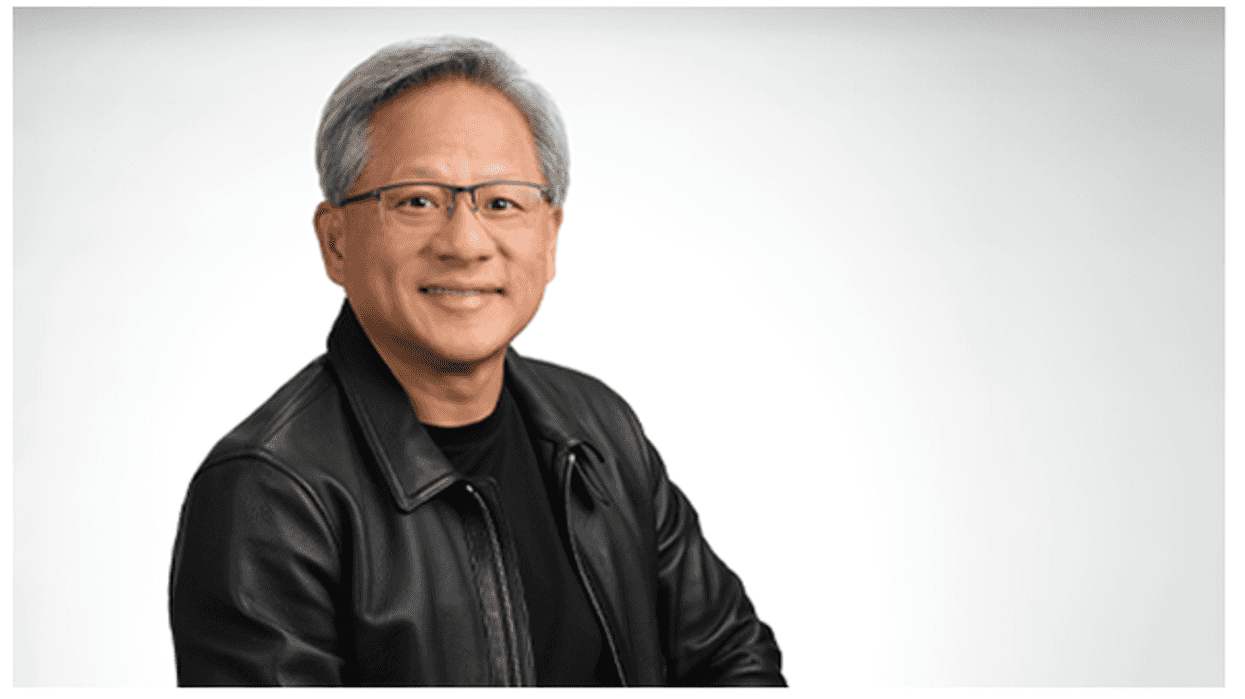
Jensen Huang's departure from Nvidia marks the end of one of the longest and most consequential leadership tenures in the technology industry, leaving the world's leading AI chipmaker facing an unexpected succession challenge.
The 63-year-old co-founder has stepped down as chief executive after 33 years at the company, following reports about his personal relationships and allegations that one of the women involved was connected to a suspected Chinese intelligence operation.
Nvidia confirmed the resignation on Thursday, thanking Huang for his contribution to the company and the wider technology industry.
"Jensen's contributions to NVIDIA are profound. NVIDIA is one of the most consequential technology companies in the world. The Board and the company thank Jensen for his immeasurable contributions to the company and the industry," the company said in a statement.
Chief financial officer Colette Kress will take over as interim chief executive while the board searches for a permanent replacement. The company said it would consider both internal and external candidates.
Nvidia chairman Harvey Jones said Kress had helped guide the business through a period of extraordinary growth and had a strong understanding of its operations, customers and financial position.
The board also expressed confidence that the leadership transition would not disrupt the company's operations, customer commitments or product roadmap.
What led to Huang's departure?
The controversy began with reports that Huang had an extramarital relationship with Alice Huang, a former director at Megaspeed, who is not related to him.
The woman was reportedly suspected by US intelligence of facilitating shipments of Nvidia microchips to Chinese companies as part of a foreign intelligence operation. The allegations have not been established as fact, and China has rejected the espionage claims.
Huang later acknowledged being unfaithful to his wife in a message to Nvidia employees, saying he was "deeply sorry". He did not provide further details.
Reports subsequently emerged alleging that he had also been involved in a relationship with Kimberly Powell, Nvidia's vice president of healthcare, who is married.
Nvidia's board commissioned an independent investigation led by law firm Wachtell, Lipton, Rosen & Katz following the reports. The allegations have raised questions about executive conduct, corporate governance and the potential national security implications of the company's relationships in China.
The controversy has also attracted political attention in Washington. Republican leaders of three House committees requested closed-door testimony from Huang about his reported interactions with the alleged intelligence operative.
Democratic senators Elizabeth Warren and Chris Coons separately wrote to Commerce Secretary Howard Lutnick, demanding that records relating to Nvidia's business dealings with China be preserved.
The Chinese foreign ministry rejected the espionage allegations, describing them as "purely unsubstantiated" and an attempt to smear the country.
What happens to Nvidia after its co-founder leaves?
Huang's departure creates a significant leadership challenge for a company that has become central to the global artificial intelligence boom.
He co-founded Nvidia in 1993 and led its transformation from a graphics processor manufacturer into the dominant supplier of chips used to train and run advanced AI systems.
Its processors have become essential infrastructure for technology companies investing billions in artificial intelligence, placing Nvidia at the centre of the competition between the US and China.
The company has grown into one of the world's most valuable businesses, with a market capitalisation approaching $4tn. Its position has also made Huang one of the most influential figures in the technology industry.
His exit comes at a sensitive time for Nvidia's relationship with Washington. The chief executive had argued that allowing American chipmakers to sell to China would help preserve US technological leadership and prevent Chinese customers from turning to domestic alternatives.
However, some US lawmakers have pushed for tighter restrictions, warning that access to advanced processors could strengthen China's military AI capabilities.
The controversy has added pressure to that debate, particularly as lawmakers seek greater scrutiny of Nvidia's dealings with Chinese companies and institutions.
Huang's successor will therefore inherit more than a rapidly growing chip business. The role will involve navigating export restrictions, political scrutiny, competition from rival chipmakers and the enormous spending commitments underpinning the AI industry.
For now, Kress will oversee the transition. Whether Nvidia can maintain its strategic direction without the founder who shaped its rise will be one of the biggest questions facing the company.