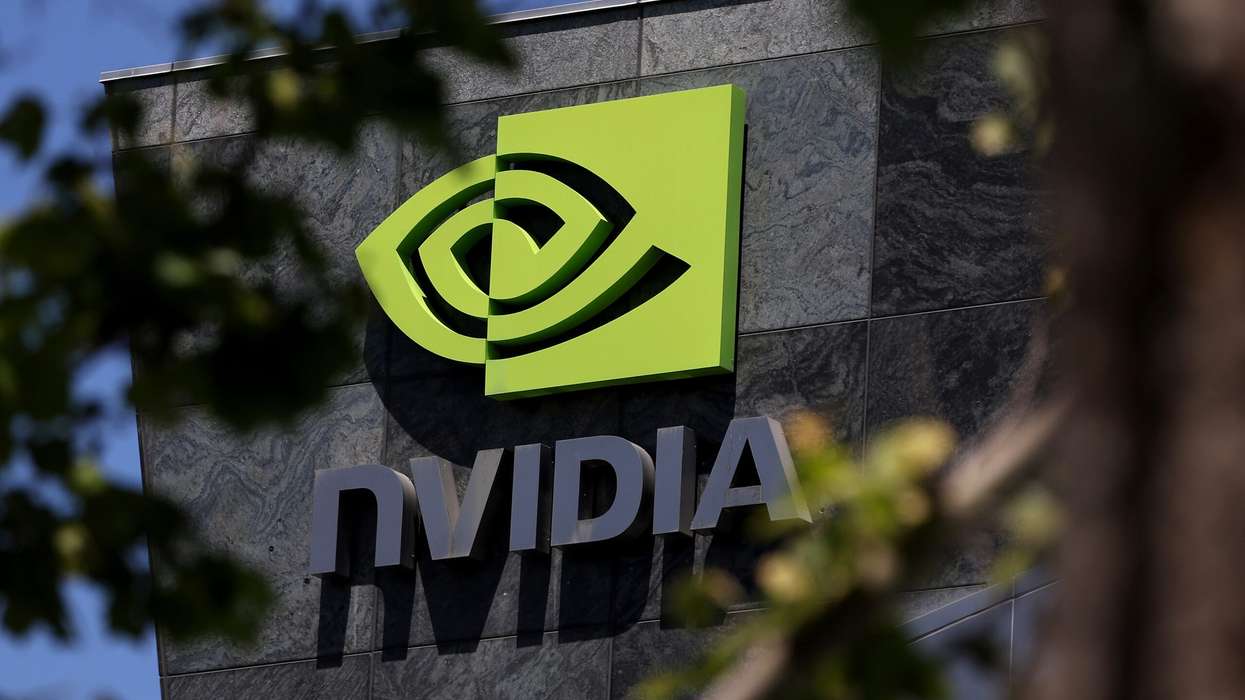

- Nvidia has agreed to acquire AI platform Hugging Face for $12.9bn, one of its biggest deals yet.
- The acquisition gives Nvidia access to a huge community of AI developers, researchers and companies building with open models.
- Hugging Face will remain an open platform, with Nvidia insisting developers will not be required to use its hardware.
Nvidia has built its dominance in artificial intelligence around the chips needed to train and run increasingly powerful models. Its proposed $12.9bn acquisition of Hugging Face suggests Jensen Huang now wants a much bigger role in what happens after the hardware is bought.
Hugging Face has become one of the biggest platforms for developers working with AI models, datasets and applications, with more than 18 million developers, researchers and creators using its ecosystem. The platform hosts more than three million models and 500,000 datasets, with about 200,000 companies using it.
For Nvidia, that makes the deal about far more than simply adding another AI company to its portfolio. It gives the chip giant a direct relationship with a large community of people deciding which models, frameworks and infrastructure they use to build AI products.
The shift is significant because the AI industry is increasingly moving from simply building larger models towards making them easier to customise and deploy across different systems.
Nvidia has already been investing heavily in open AI, releasing hundreds of models and datasets through Hugging Face. Huang has described Nvidia as the largest contributor of open models and data to the platform.
The acquisition would take that relationship to another level.
But Nvidia is promising not to lock developers in
Perhaps the most notable part of the deal is what Nvidia says it will not do.
Huang said Hugging Face would remain an open platform where developers can choose their preferred models, frameworks, cloud providers, inference services and computing platforms. Nvidia hardware, he stressed, will not be required to build or deploy through Hugging Face.
That matters because Nvidia is already the dominant supplier of the computing power behind the AI boom. Owning a major developer platform could otherwise raise concerns that the company might use its position to steer developers towards its own chips and infrastructure.
Hugging Face CEO Clem Delangue said the company had approached Nvidia during the summer because it needed greater resources, scale and visibility as open-source AI reaches a critical stage. The founders and team are expected to remain with the business.
The broader ambition is clear: make open-source AI a default way of building technology and give developers greater control over the systems they create, rather than relying entirely on closed AI services.
For Nvidia, that could mean extending its influence from the machines that power AI to the people and software that determine how AI is built.
The transaction is expected to close in the first half of 2027, subject to regulatory approvals. About $11.9bn would go to Hugging Face shareholders, with up to another $1bn allocated through an employee equity retention programme.