
Highlights
- UK economy grew 0.1 per cent in August, beating forecasts of a 0.1 per cent fall
- Annual growth hit 2.1 per cent, the strongest since 2019 outside the pandemic rebound
- Computer programming was the biggest growth driver, up 13 per cent this year
- Manufacturing jumped 1.2 per cent; services were flat
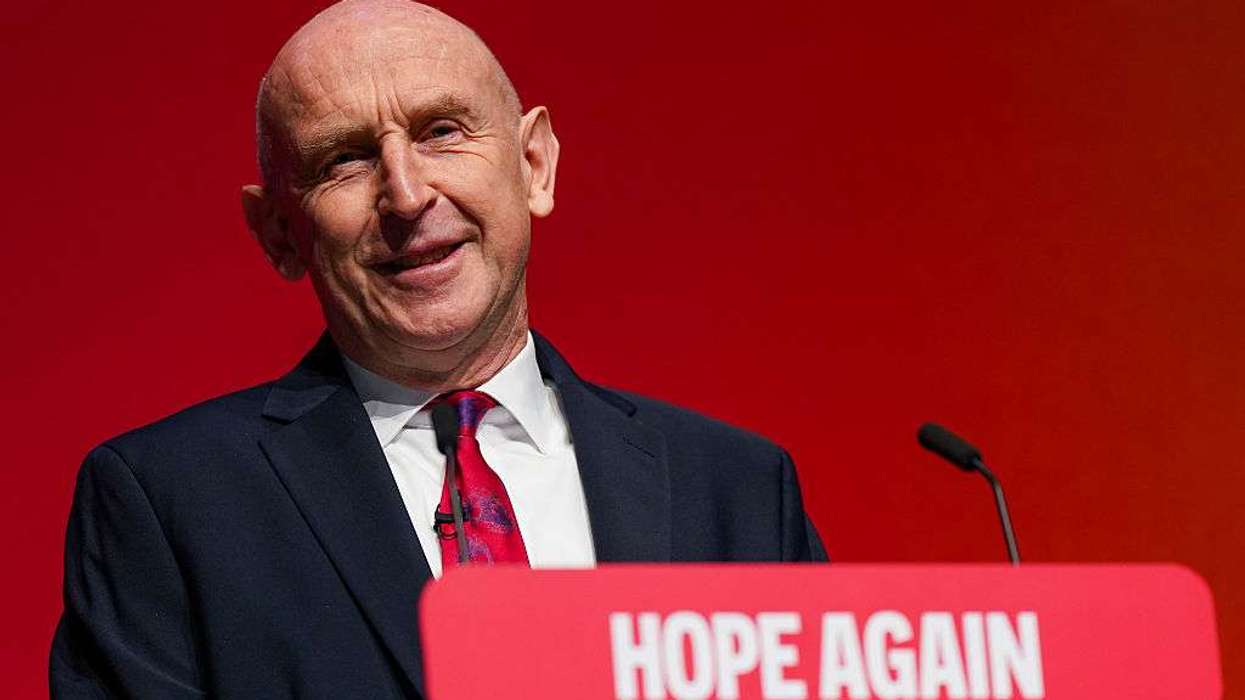
BRITAIN's economy grew faster than expected in August, a boost for chancellor John Healey before his budget. But the same figures could make it more likely that borrowers face higher interest rates next month.
The Office for National Statistics (ONS) said gross domestic product rose 0.1 per cent in August. Economists polled by Reuters had expected a 0.1 per cent fall.
Annual growth rose to 2.1 per cent. Leaving aside the post-pandemic rebound in late 2022, that is the strongest rate since December 2019.
The Bank of England is weighing an interest rate rise next month. Growth in the third quarter now looks on track to beat the Bank's forecast of 0.4 per cent.
Thomas Pugh, chief economist at RSM UK, said this suggested current rates were not holding back the economy as much as the Bank had assumed. For households and businesses with variable-rate loans or mortgages due for renewal, that matters.
Tech is driving the growth
The ONS said computer programming was the biggest contributor to growth in the three months to August. The sector grew 1.1 per cent in August alone, leaving its output 13 per cent higher so far this year.
According to reports, the figures are fresh evidence that the artificial intelligence boom is lifting Britain's economy. Jake Finney, senior economist at PwC, said business investment, particularly in tech hardware, had been an important driver of growth this year. He added that Britain still trails the US but is ahead of many European countries.
Manufacturing also jumped 1.2 per cent in August, against forecasts of a small fall. The wider services sector, which dominates the economy, was flat.
What it means for the budget
Healey welcomed the figures. He said they showed Britain's resilience despite conflicts in the Middle East and Europe.
However, long-term government borrowing costs recently hit their highest level since the 1990s. Reports said that this leaves Healey a narrow path to meeting his fiscal rules without unsettling investors, even after government bond yields fell sharply on Thursday (15).
Britain was jointly the fastest-growing G7 economy in the first half of 2026, alongside the US.
The International Monetary Fund this week raised its forecast for UK growth this year to 1.3 per cent, up from 1.0 per cent. But it warned that higher energy prices and rising long-term interest rates are likely to weigh on growth next year.
The Bank of England's rate decision is due next month, and Healey will deliver his budget on October 28.
(with inputs from agencies)