
Highlights
- CJP rallies hundreds in Mumbai, demanding chief election commissioner Gyanesh Kumar resign
- Critics say voter roll revisions have removed millions of eligible voters
- Protests planned in Goa, Kolkata and Bangalore throughout October
- Delhi police detain student protesters; metro stations shut
INDIA's youth-led protest movement has turned its attention from exam papers to the ballot box, raising questions about the integrity of the world's largest electoral process.
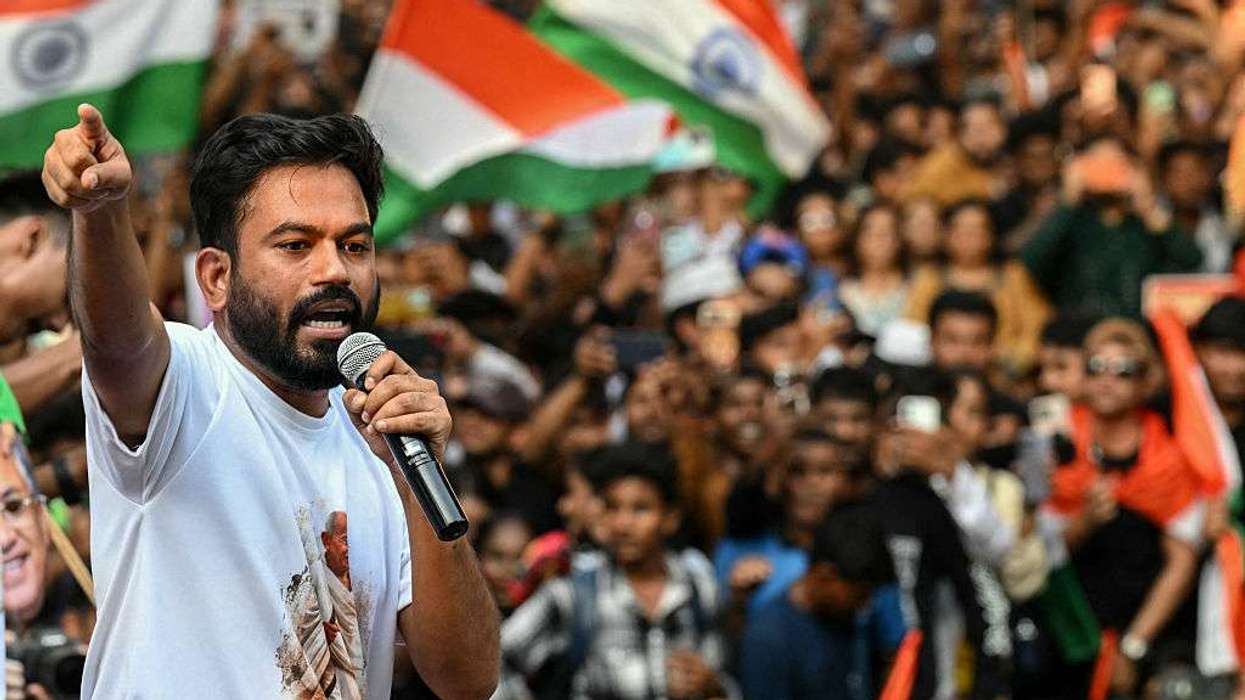
Hundreds of supporters of the Cockroach Janta Party (CJP) rallied in Mumbai on Friday (2), launching a nationwide campaign demanding the resignation of chief election commissioner Gyanesh Kumar.
They accuse the Election Commission of revising voter rolls in ways that favour prime minister Narendra Modi's Bharatiya Janata Party (BJP).
The commission and the government deny the allegations. Kumar has not commented.
At the heart of the dispute is a nationwide voter-verification exercise begun last year. Critics say it has removed millions of eligible voters from the rolls. The commission says the aim is to remove duplicate, deceased and ineligible entries.
Protesters in Mumbai waved Indian flags and chanted "Gyanu it's done bro". Some held placards reading "The janta has a spine, Gyanu must resign."
CJP spokesperson Saurav Das told Reuters the protests would continue until Kumar steps down. "We will protest for a few hours today. Apart from Mumbai, we will do Goa, Kolkata, Bangalore, this whole month," he said.
From exam leaks to elections
The CJP emerged earlier this year out of online anger over unemployment and leaked examination papers. It took its name after India's chief justice described unemployed young people and online activists as "cockroaches".
Led by Abhijeet Dipke, the movement spearheaded mass protests that ended with the education minister's resignation. It has since become an unexpected political force.
Political analyst Rasheed Kidwai said Modi's long tenure was producing challenges from new parts of society. "Now that Modi has been in power for over 12 years, new challenges are coming up from different sections of society, which makes it hard for him to box them as anti-national forces," he said.
Kidwai added that young people questioning the prime minister's credibility could influence 40 per cent of the population.
Pressure on Kumar grew last month after the Indian Express reported that his two deputies had formally raised concerns at least 14 times in 10 months. Their concerns covered voter-list revisions, registration procedures and the commission's digital systems. The commission said differing views were a normal part of internal deliberations.
Detentions in Delhi
Protests in the capital met a tougher response. Police prevented a separate group of student protesters from gathering and took batches of them away in buses. Several metro stations near the site were closed, and security was stepped up.
"The right to protest is our fundamental right, and we want answers from the government on vote theft," protester Rishabh Singh said as police pushed him onto a bus.
What happens next
The INDIA alliance, a Congress-led grouping of more than two dozen opposition parties, plans its own protests from Tuesday (6). All opposition MPs intend to march to the Election Commission's office in Delhi.
On Friday, the commission directed officials to register newly eligible voters and those left off the rolls, a move that appeared aimed at easing tensions.