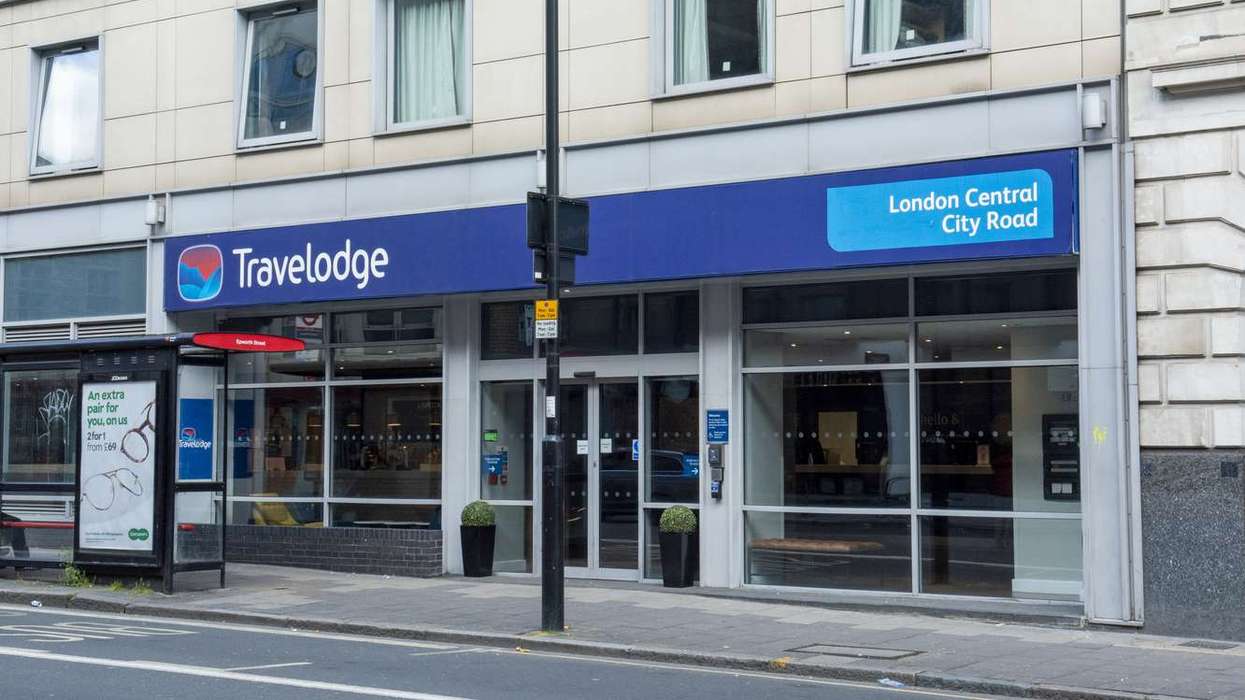

- Guest reports of room intrusions were recorded at nearly 10 per cent of Travelodge hotels during the summer.
- The review found the chain's new room-security policy was still not being applied consistently.
- Travelodge has apologised and will introduce further measures, including stronger training and oversight.
Nearly one in 10 Travelodge hotels recorded reports of guests experiencing unauthorised room entry during the summer, an independent review has found, despite the hotel chain introducing new security measures following a serious sexual assault.
The 70-page review, led by barrister Paul Greaney KC, was commissioned after a man was convicted of sexually assaulting a guest at Travelodge's Maidenhead hotel in December 2022 after obtaining a key to her room by deception. The report examined the chain's room-access policies, staff training and its handling of serious customer complaints.
The review found that Travelodge had made significant changes since March, with customer-reported room intrusions falling considerably. In the four weeks before August 6, there were no customer-reported cases at 91 per cent of its hotels.
But that still meant reports of room intrusions across nearly one in 10 hotels, or around 60 properties. Greaney said he was not satisfied that enough had been done to make guests as safe as they should be.
New rules are not yet embedded
Travelodge introduced a new Key Security Policy after the Maidenhead case came to senior management's attention in March. The policy requires explicit permission from the guest before an additional or replacement room key can be issued and is supported by training for customer-facing staff.
However, the review found that the new rules were not being followed consistently on the ground.
In one test at Travelodge's Maidenhead hotel, a receptionist failed to follow the new procedure for recording the name of a second guest. The review team also carried out covert testing at five hotels and found that housekeeping staff at all five allowed mystery shoppers to gain access to rooms without being sent to reception or being asked to prove they had the right to enter.
At two of the five hotels tested, room numbers were announced publicly during check-in. At three, reception staff confirmed that a particular guest was staying at the hotel, despite the new policy explicitly prohibiting this.
The review also found that, during Travelodge's own mystery-shopping exercises, room numbers were said aloud 17 per cent of the time. In 50 per cent of the cases where replacement room keys were tested, the appropriate security process was not followed.
Greaney said the new security policy had "not sufficiently embedded", while acknowledging that the company had made demonstrable progress since March.
The report also said room intrusions were not unique to Travelodge and represented a wider problem for the hotel industry.
Travelodge promises further changes
The review followed the case of a guest identified as “Lily” in the report. In December 2022, a man falsely claimed at the Maidenhead reception desk that he was her boyfriend and was given a key to her room. He entered while she was asleep and sexually assaulted her.
The review found that Travelodge's response to Lily's complaints was inadequate and that systemic failures, rather than the actions of individual reception staff, were largely responsible.
Greaney said Lily was "treated by Travelodge in a way that was inappropriate and unfair; indeed, it was disgraceful".
Travelodge has apologised to Lily and other guests affected by its security and complaints-handling failures.
Interim chief executive Ray Reidy reportedly said, "The independent review published today makes it clear that there were failures in Travelodge’s room access security policies and procedures and in the way customers have been treated."
He added that the company had made significant progress but recognised that "we still have further to go".
Travelodge has established a dedicated board committee to oversee the review's recommendations and said independent assessments will take place after six and 12 months. Its planned measures include a new policy on violence against women and girls, enhanced staff training, stronger physical security, improved incident investigations and tighter controls to test whether room-security procedures are actually being followed.
The chain also said it has rolled out its revised room-access policy across more than 600 hotels, provided additional training to 12,000 customer-facing employees and completed a deadbolt audit across its UK rooms.
The review's findings mean the focus now shifts from whether Travelodge has introduced new rules to whether those rules are consistently followed by staff across its estate.