
Highlights
- Aliko Dangote’s cement business is preparing for a London listing
- Sunil Bharti Mittal-backed Airtel Money is targeting an £6 billion-£7 billion valuation
- Both businesses see London as a gateway to international capital
- The moves come as the London market struggles to attract new listings
INDIAN and African entrepreneurs are turning to London to raise their international profile and access global investors, with two major businesses linked to billionaire founders preparing to list on the London Stock Exchange, reported the Times.
Nigerian billionaire Aliko Dangote’s Dangote Cement and Indian billionaire Sunil Bharti Mittal’s Airtel Money have emerged as significant potential additions to the City’s market, at a time when London has faced a prolonged shortage of major new listings.
Dangote Cement is preparing for a secondary listing in London, while Airtel Money, the mobile payments business of Airtel Africa, has announced plans for an initial public offering that could value the company at between $8 billion and $9 billion (£6bn-£7bn).
Indian-backed Airtel Money targets £7bn valuation
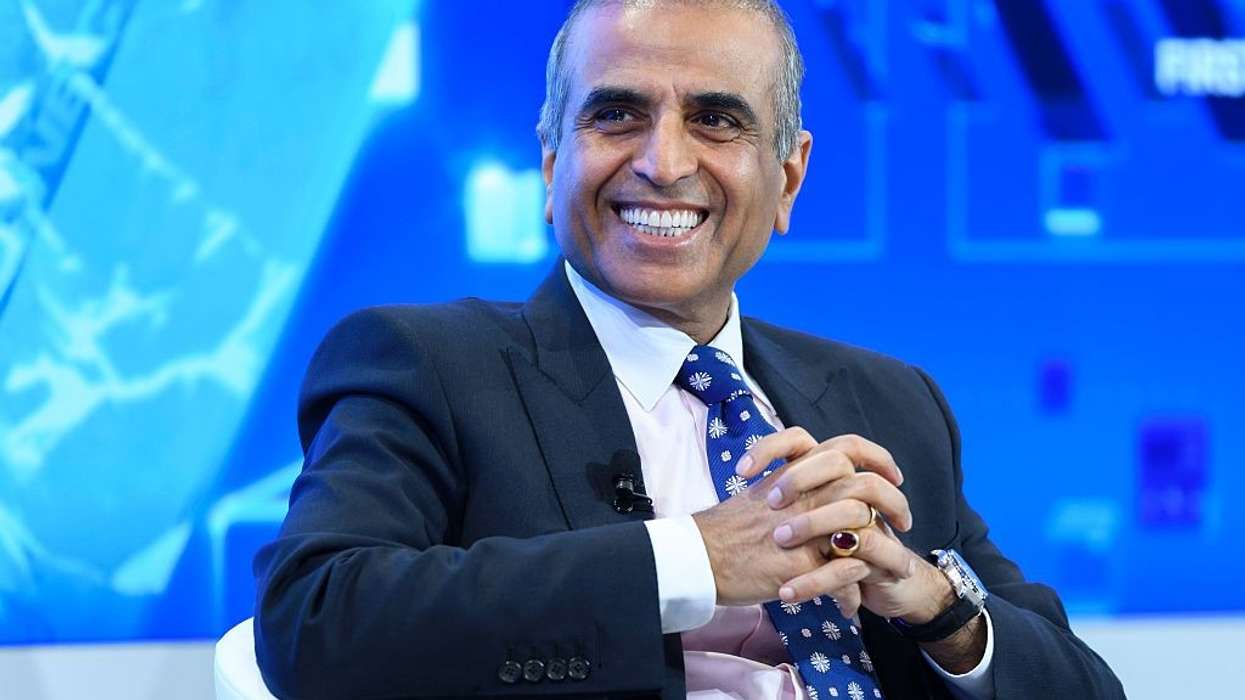
Airtel Money, the financial services arm of Airtel Africa, is ultimately controlled by Indian billionaire Sunil Bharti Mittal's Bharti Enterprises.
Airtel Money is seeking to raise about $800m (£600m) through its London flotation. The company operates across 13 African countries and has more than 50 million monthly active users.
Airtel Africa already has a presence on the London market through its FTSE 100 listing. It owns about 78 per cent of Airtel Money and is expected to remain a major shareholder following the flotation.
Airtel Money chief executive Ian Ferrao said the company had considered other international markets before choosing London.
He pointed to the City's deep pools of capital, its institutional investor base and the market's understanding of emerging economies, financial services and technology.
The company provides mobile wallets and other financial services through Airtel's telecoms network, allowing customers in markets with limited access to traditional banking services to deposit, transfer and withdraw money using mobile phones and local agents.
Dangote brings African industrial giant to London
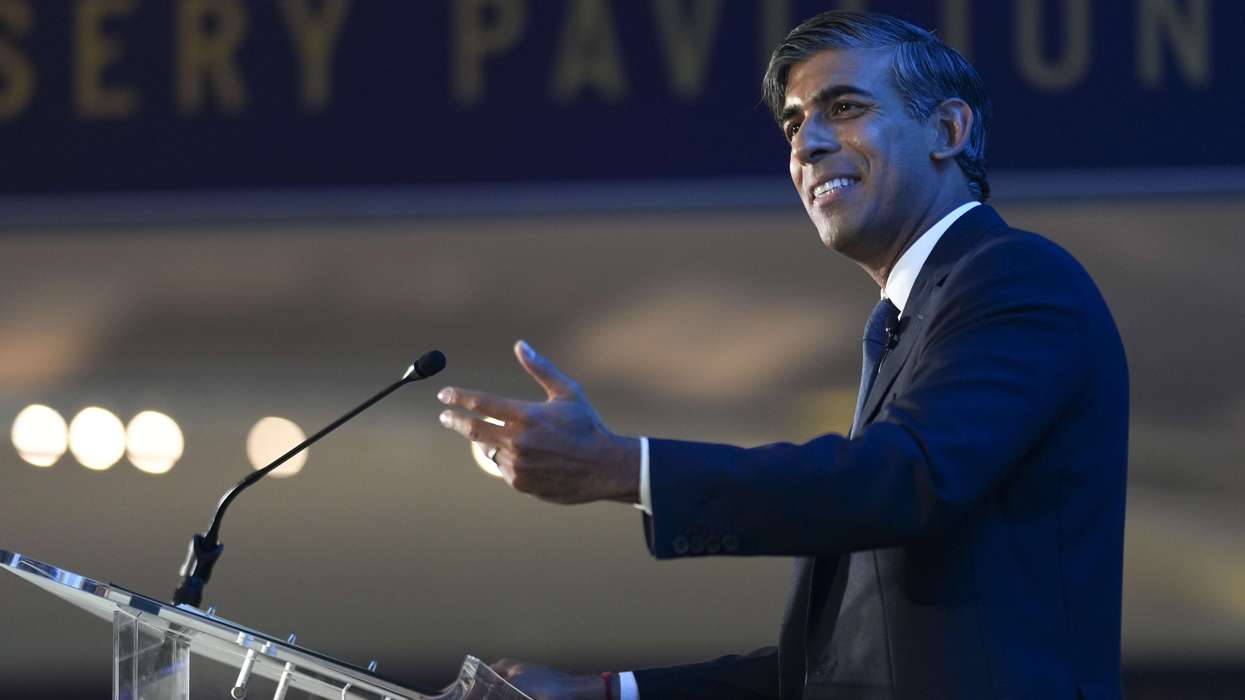
Dangote Cement chairman Emmanuel Ikazoboh used a London investor presentation last week to underline the scale of the Nigerian business and its ambitions beyond Africa.
The company has production capacity of about 55 million tonnes a year and operates across several African markets. Its proposed London listing is intended to widen its international investor base.
Dangote Cement's shareholders have approved the proposed secondary listing, with the company expected to offer up to about 10 per cent of its shares to external investors.
For Dangote, whose business interests span cement, manufacturing, energy and other sectors, the London move represents another step in building international exposure for an African corporate group.
Ikazoboh told investors that London offered access to international capital and described the City as a bridge between African businesses and global investors.
London seeks more international business
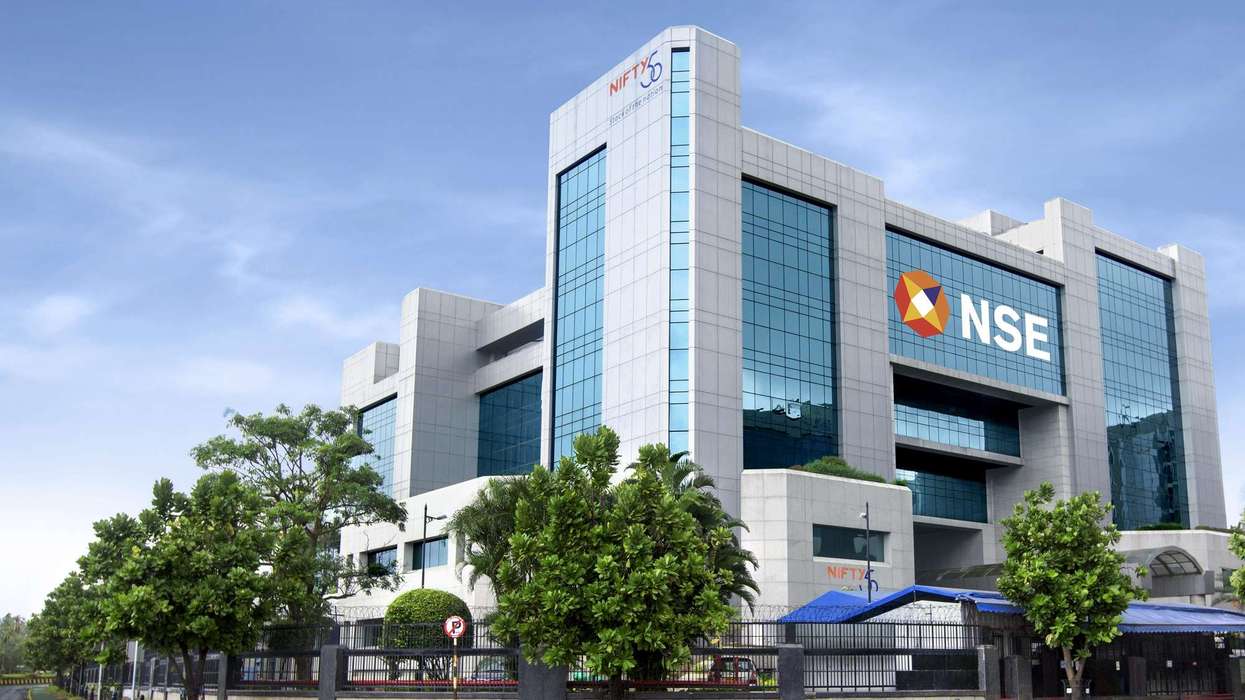
The two deals come as the London Stock Exchange seeks to attract more international companies amid a shortage of major new listings.
Airtel Money could become one of London's largest flotations in several years. The company is expected to provide further details on the offer, including its indicative price range and number of shares, in October.
Dangote Cement, meanwhile, has been preparing investors for its proposed secondary listing through a London capital markets event.
Data cited by the London Stock Exchange shows that more than 100 African companies are already listed in London, underlining the City's longstanding links with African capital markets.