
Highlights
- Chandrasekaran agrees to stay as Tata Sons chairman for five more years.
- Noel Tata votes against his reappointment.
- Tata Trusts, which owns 66 per cent of Tata Sons, calls the move a “legal nullity”.
- Boardroom dispute centres on leadership, Tata Sons’ listing and Air India losses.
NATARAJAN CHANDRASEKARAN has agreed to stay on as chairman of Tata Sons for another five years, reversing his decision last month to step down when his current term ends in February 2027.
The decision, approved by the Tata Sons board on Thursday (17), has brought a long-running disagreement between the holding company and Tata Trusts into the open.
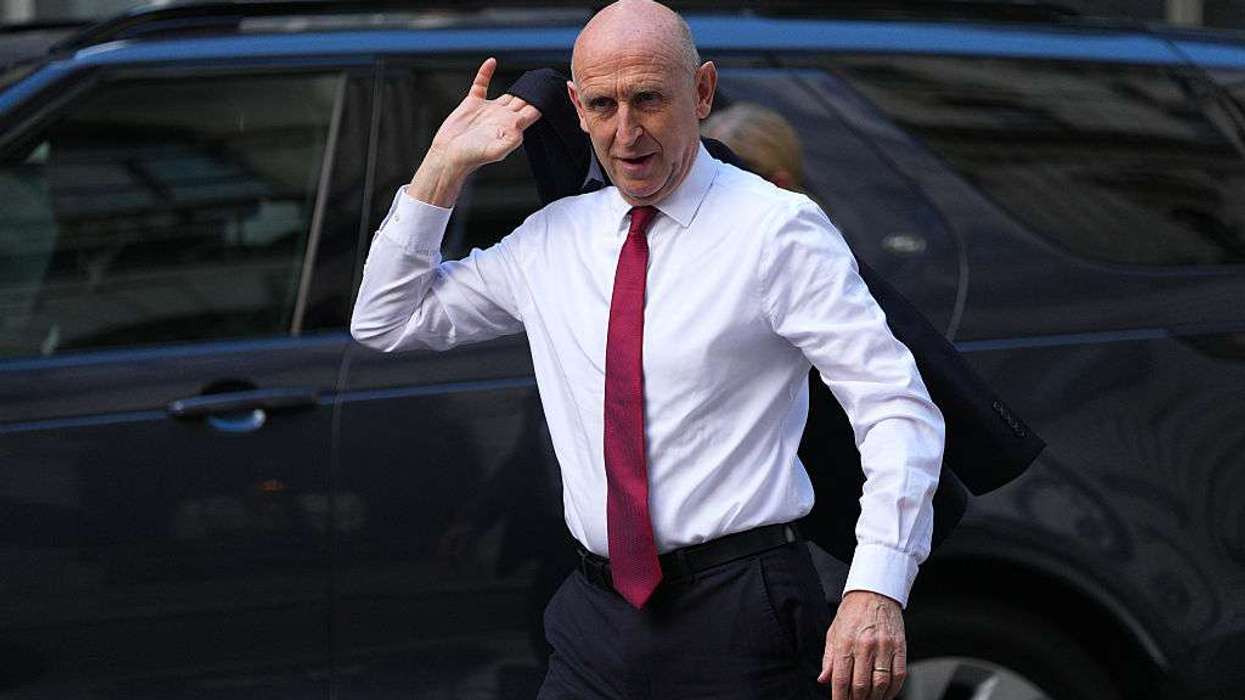
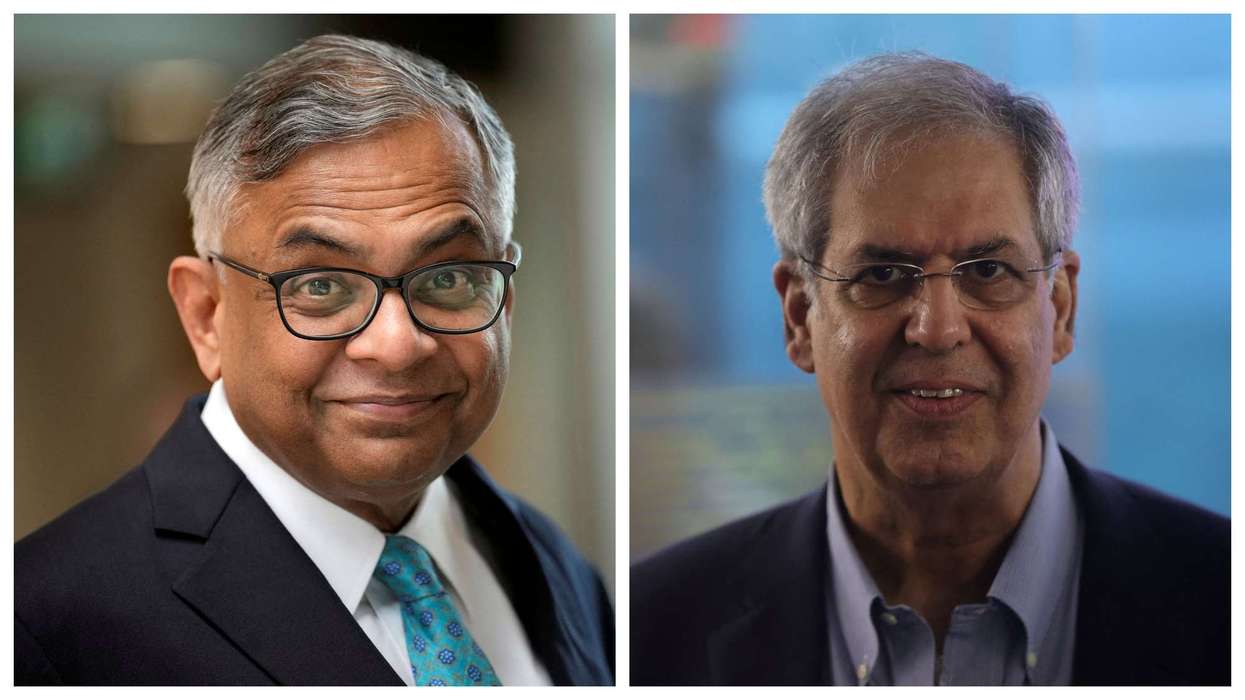
Noel Tata, chairman of Tata Trusts and a member of the founding Tata family, was the only board member to vote against Chandrasekaran’s reappointment.
Tata Trusts, which owns 66 per cent of Tata Sons, has called the reappointment a “legal nullity” and challenged the process through which it was approved.
The dispute has created uncertainty at the 158-year-old Indian conglomerate, whose businesses include Jaguar Land Rover, Air India, Tata Consultancy Services and Tata Steel.
Trusts challenge reappointment
Tata Trusts argues that the appointment of a chairman, along with any decision on a possible stock market listing of Tata Sons, requires the support of both its nominees on the holding company’s board.
Noel Tata opposed Chandrasekaran’s reappointment, while fellow Trusts nominee Venu Srinivasan supported it.
Tata Sons maintains that the appointment was valid because it was approved by a majority of the board. The disagreement is likely to remain a major issue for Chandrasekaran during his third term.
A senior Tata executive told Reuters that Chandrasekaran could delegate many of the group’s business challenges, but resolving the dispute with the Trusts would be something he would have to address himself.
The executive described him as someone who understands strategic issues across different businesses, makes decisions quickly and gives managing directors and chief executives room to operate.
Listing plan adds to tensions
The dispute also comes as Tata Sons faces a decision over whether it should become a publicly listed company. The Reserve Bank of India recently rejected Tata Sons’ request for an exemption from rules that would require the holding company to list.
Following its board meeting on Thursday, Tata Sons said it was agreeable to a stock market listing. Tata Trusts opposes the move, arguing that the structure of the group is different because its majority shareholder is made up of charitable trusts.
In a statement, the Trusts said a listing would “destroy” the character of Tata Sons and undermine the principle behind its majority charitable ownership.
Shapoorji Pallonji Group, the second-largest shareholder in Tata Sons, has backed a potential listing. The group is headed by Shapoor Mistry, whose sister is married to Noel Tata.
Pressure across major businesses
Chandrasekaran is also returning to the chairman’s role at a time when several major Tata businesses face challenges.
Air India and its group companies recorded combined annual losses of $2.33 billion, according to reports. Tata Sons acquired Air India from the Indian government in January 2022, and the airline’s performance has become one of the issues over which differences have emerged between Chandrasekaran and the Trusts.
Jaguar Land Rover is also facing a downturn.
At the same time, Tata is putting billions of dollars into electronics and semiconductor manufacturing. Its electronics businesses have Apple and Tesla among their clients, while the group is expanding its plans for chipmaking.
Chandrasekaran, 63, has spent his entire corporate career within the Tata Group. He joined Tata Consultancy Services in 1987 and became its chief executive in 2009.
His appointment as Tata Sons chairman in January 2017 marked a significant change for the group. He became the first chairman from outside the small Parsi Zoroastrian community to which the Tata family belongs.
During his nine years as chairman, the combined market capitalisation of Tata companies rose from $76bn in 2017 to $277bn by March 31, 2026.
He was chosen for the top job by Ratan Tata, the group's former chairman and patriarch, who died in 2024. Noel Tata later became chairman of Tata Trusts. Chandrasekaran had appeared ready to leave the group.
Last month, after announcing that he would not seek another term, he told employees at a town hall at Bombay House in Mumbai that he could not have imagined where his career would take him, but that all careers eventually come to an end. He left the meeting to applause.
Five weeks later, he agreed to stay.
Legal battle could follow
Tata Trusts could challenge the reappointment in court, while the group’s annual general meeting in December could provide another opportunity to contest the decision.
However, the Trusts itself is dealing with an internal dispute. One of its largest constituent charities, Sir Ratan Tata Trust, holds 23.6 per cent of Tata Sons but has been barred by a charity regulator from convening its trustees over a dispute concerning their appointment.
That restriction currently limits the Trusts’ ability to take decisions despite its 66 per cent ownership of Tata Sons.