
Highlights
- Prime minister Andy Burnham urged Google to “show decency” and take down the video
- Google has reportedly refused, saying its rules were not broken; the video has passed 925,000 views
- A government minister admits the UK cannot compel the platform to act
- Officials are examining whether the video breached rules on prisoners’ public statements
PRIME MINISTER Andy Burnham has called on Google to “show decency” and remove a YouTube video in which Russell Brand protests his innocence – but his own government admits it cannot make the company act.
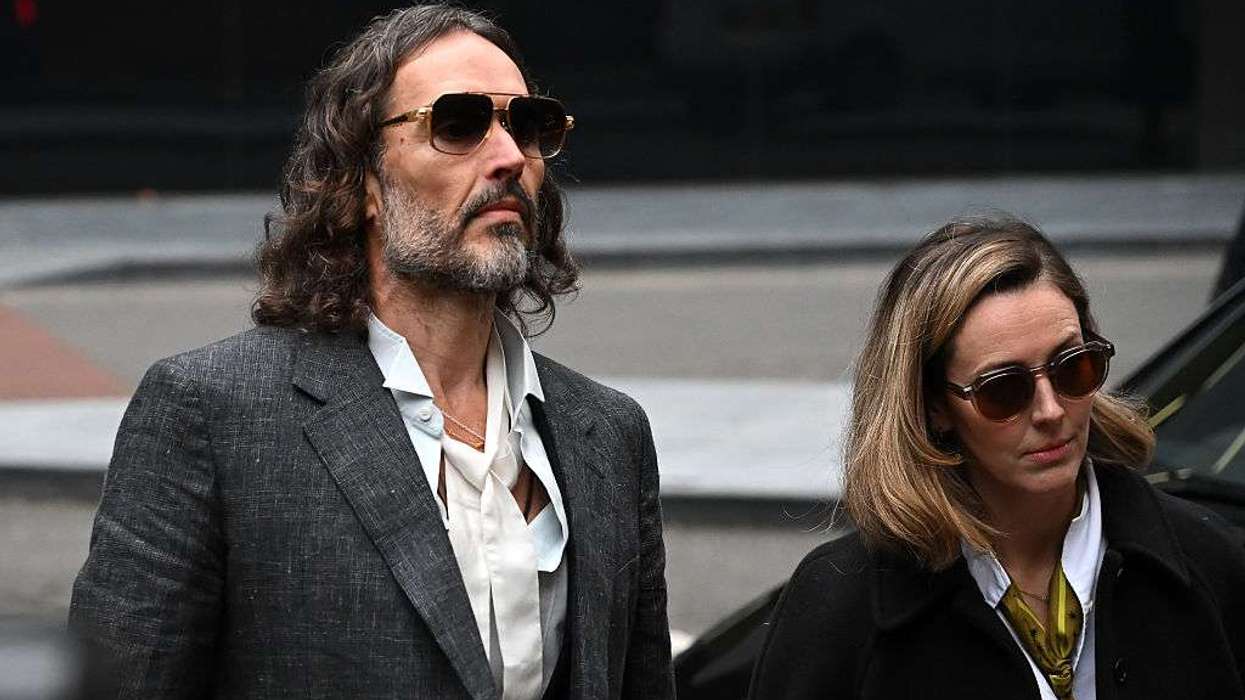
The video, uploaded on Sunday (15), shows Brand’s wife, Laura Brand, reading out a statement from the jailed comedian. As of 1900 GMT on Thursday (19) it remained on the couple’s account, which has 6.6 million followers, and had been viewed more than 925,000 times.
Brand, 51, was found guilty this month of rape and three sexual assaults against four women. He was sentenced last week to 10-and-a-half years in prison.
Asked about the video on Thursday, Burnham said: “I would call on those social media companies to take these interviews down.”
He added that Brand’s victims “shouldn’t be hearing from him”, saying: “I feel for the victims; they’ve heard quite enough from this convicted criminal.”
‘That is up to Google’
The row exposes how little power the government has over what stays online, even when the request comes from Downing Street.
Government minister Matthew Pennycook told the BBC that UK authorities “don’t have any power to mandate a removal of content”. “That is up to Google,” he said. “We’ve made a request in this instance because we feel very strongly that victims shouldn’t have to see this content.”
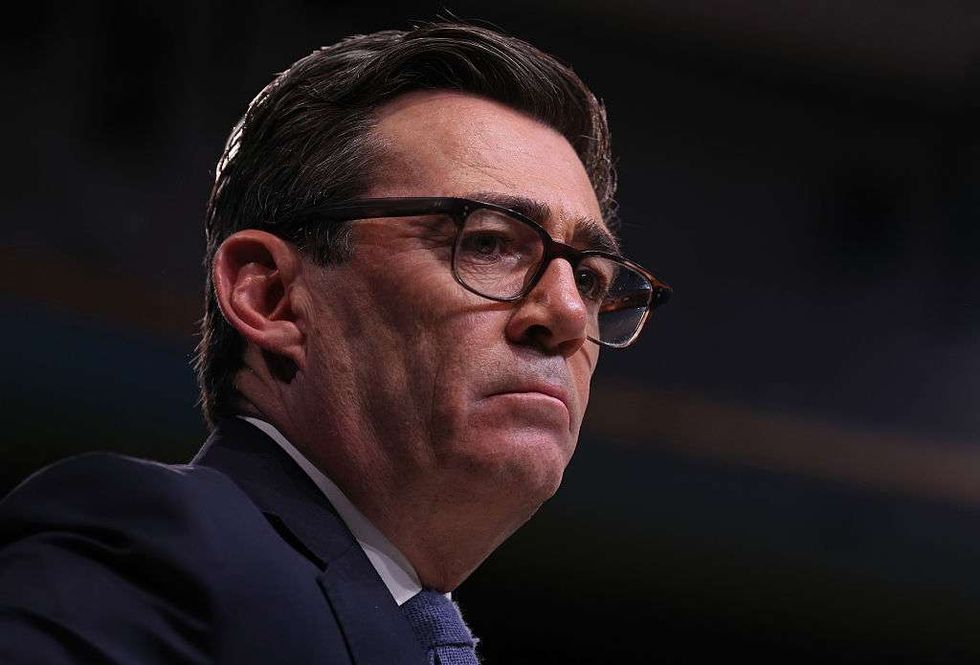 Andy Burnham speaks to the media following an EU-UK Summit on November 20, 2026 in Brussels, Belgium. (Photo by Sean Gallup/Getty Images)
Burnham’s spokesman called the video “clearly appalling” on Monday (16). The Prison Service, part of the Ministry of Justice, then submitted a formal request to Google to remove it.
A ministry spokesman said the government was right to ask for distressing content to be taken down, but added: “Removal ultimately depends on the platform’s own terms.”
The BBC reported that Google refused the request after deciding its rules had not been broken. A Google spokeswoman said: “We’re aware of the new content and our teams are investigating.” The company noted it had suspended Brand’s channel from its money-making partner programme in September 2023.
Asked whether he would change the law, Burnham said: “I wouldn’t leap to that.” Instead, he urged the companies to “think of the victims” and “show some decency”.
Could prison rules decide it?
The more decisive route may not run through Google at all. Officials have pointed out that prisoners are banned from making statements that cause distress to victims. Speaking to the media is allowed only in exceptional circumstances.
Inmates cannot get around these rules by having someone else publish their words. Officials are reported to be investigating whether the video broke them.
If it did, the consequences would fall on Brand and his wife rather than the platform. That has fuelled speculation that Laura Brand’s prison visits and the couple’s communication could be restricted.
Brand is being held at HMP Littlehey, a category C prison in Cambridgeshire. His reach elsewhere online has already shrunk. His Facebook and Instagram accounts appear to be unavailable. His X account, with 10 million followers, is still visible but has not posted since November 11.
A political divide
The video drew an immediate backlash from victims’ advocates and political leaders. But there is no consensus on what should be done.
Conservative leader Kemi Badenoch suggested she would not have rushed to demand that Google remove the video. Other reports say a new law may be needed to deal with such cases.
The dispute pits two arguments against each other: that victims deserve protection from their attacker’s public messages, and that governments should not decide which lawful content stays online.
Three questions remain open. Google has yet to say what its investigation will conclude. Officials must decide whether the video broke prison rules. And pressure may grow on Burnham to revisit his view that a change in the law is not the first answer.