
MORE THAN 300 people affected by the 2017 Manchester Arena bombing lost their bid last week to sue domestic intelligence services for failing to take "appropriate measures" to prevent the attack.
Twenty-two people died and another 100 were injured when a Islamist extremist detonated a suicide bomb at an Ariana Grande pop concert in the city in northwest England.
An official enquiry found in March 2023 that the attack might have been stopped if MI5 security service had acted on vital intelligence.
Survivors and families of the victims brought a case against MI5 to the Investigatory Powers Tribunal (IPT), alleging that MI5's failings had infringed their human rights.
The IPT is an independent body that investigates complaints from members of the public about the actions of public bodies, including the intelligence services and law enforcement.
But judges Rabinder Singh and Judith Farbey ruled on Friday (22) that the cases could not proceed as they had been brought too late.
"We are particularly conscious of the importance of the rights concerned... We are also conscious of the horrendous impact of the atrocity on the claimants and their families," said Singh.
"Nevertheless, we have reached the conclusion that, in all the circumstances, it would not be equitable to permit the claims to proceed," he added.
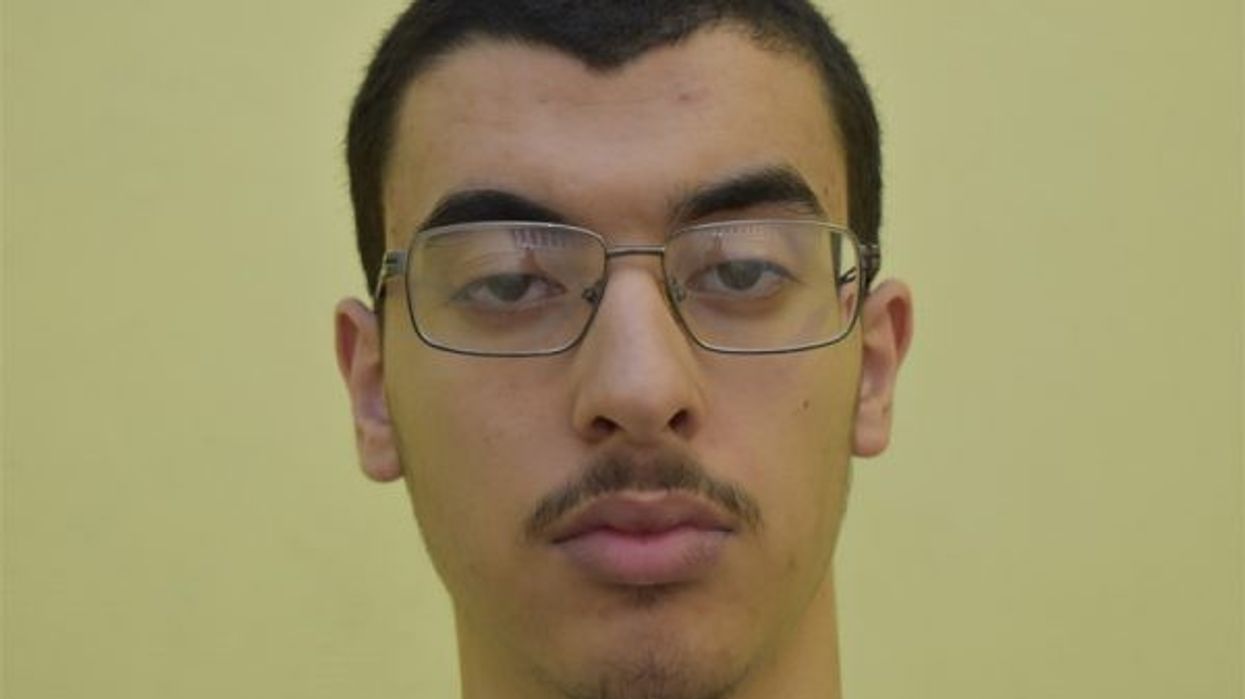
The suicide attack, as concert-goers were leaving the show, was carried out by Salman Abedi, a 22-year-old from Manchester but of Libyan descent.
Inspired by the Daesh (Islamic State group), he used a homemade shrapnel bomb to target crowds of mostly young people who had attended the concert by the US pop star, as well as parents who had come to pick up their children.
Delays in relation to one of two pieces of intelligence led to the "missing of an opportunity to take a potentially important investigative action", retired High Court judge John Saunders, the chairman of the 2023 enquiry, said in his report last year.
MI5 director-general Ken McCallum said at the time that he was "profoundly sorry that MI5 did not prevent the attack".
Singh said that the tribunal "readily understands" why the legal claims were not filed until after the publication of the report, but that they should still have been submitted sooner.
"In our view, the filing of the proceedings was not given the priority which, assessed objectively, it should have been."
Hudgell Solicitors, Slater & Gordon and Broudie Jackson Canter, three of the law firms representing the claimants, called the ruling "extremely disappointing for our clients".
"Ever since the attack in May 2017, our clients have had to endure continued delays but have done so with great patience and understanding in the hope that by allowing all legal processes to be fully explored, transparency and justice would be achieved," they said.
(AFP)