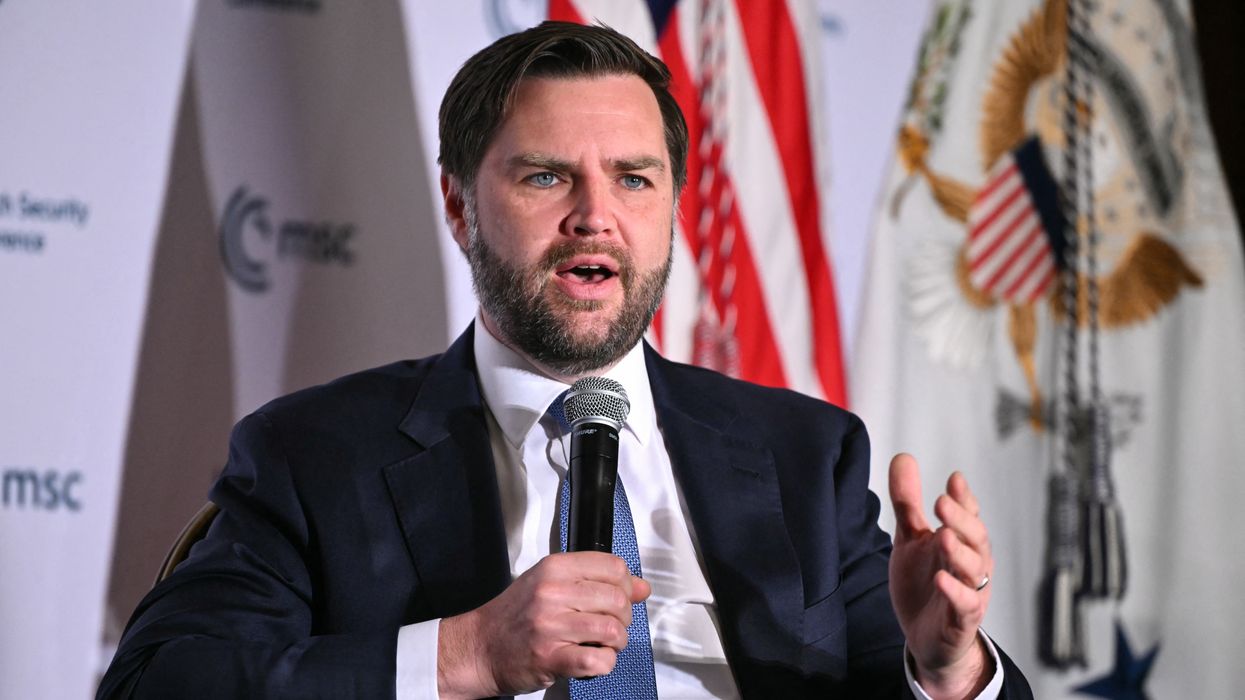

US VICE PRESIDENT JD Vance said on Thursday that the United States wants India and Pakistan to de-escalate tensions but will not get involved if a conflict breaks out between the two countries.
"We want this thing to de-escalate as quickly as possible. We can't control these countries, though," Vance said during an interview on Fox News' The Story with Martha MacCallum.
"What we can do is try to encourage these folks to de-escalate a little bit, but we're not going to get involved in the middle of war that's fundamentally none of our business and has nothing to do with America's ability to control it," he said.
ALSO READ: India says it repelled Pakistan drone, artillery attacks as tensions continue
India is a key partner for the United States in its strategy to counter China's growing influence, while Pakistan continues to be a US ally despite its reduced strategic role after the US withdrawal from Afghanistan in 2021.
Analysts and some former officials have said that with Washington currently focused on diplomatic efforts related to the wars in Ukraine and Gaza, the US may allow India and Pakistan to manage the situation themselves in the early stages without strong intervention.
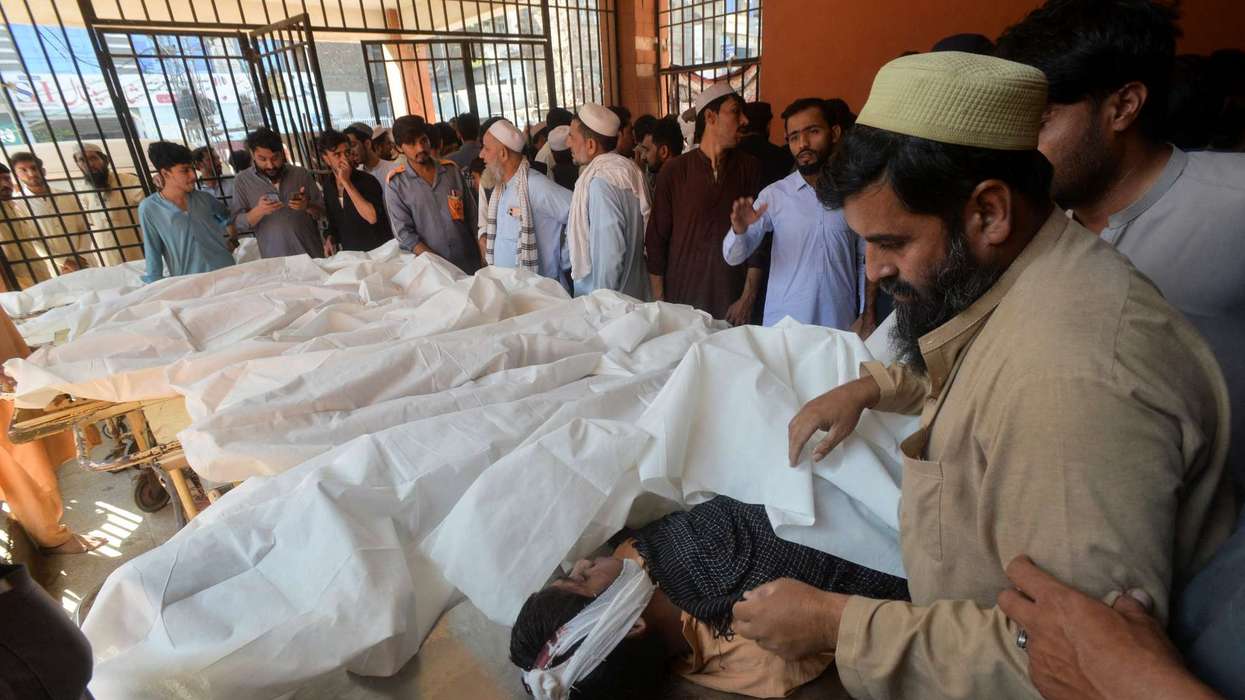
India and Pakistan have blamed each other for drone attacks, and Pakistan's defence minister said further retaliation was "increasingly certain" on Thursday, the second day of heavy clashes. Nearly four dozen people have been killed over two days of fighting.
ALSO READ: India's response to Pahalgam attack was limited to terror targets: Vikram Doraiswami
The latest round of tensions began on 22 April when terrorists killed 26 people in India-administered Kashmir. India blamed Pakistan for the attack. Pakistan denied the accusation and called for a neutral investigation.
"Our hope and our expectation is that this is not going to spiral into a broader regional war or, God forbid, a nuclear conflict," Vance said on Thursday.
The US has been in contact with both countries, including on Thursday when secretary of state Marco Rubio spoke with Pakistan's prime minister and India’s foreign minister to urge de-escalation and direct dialogue.
ALSO READ: What is Operation Sindoor, India's strikes in Pakistan?
US president Donald Trump called the rise in tensions a shame. On Wednesday, he said he hoped the two countries would stop after going "tit-for-tat." The State Department also urged both sides to work towards what it described as a "responsible solution."
(With inputs from Reuters)