
- CTM admits overcharging UK government by £118m
- Irregularities linked to asylum housing and quarantine contracts
- Home Office reviewing contracts as repayments continue
The UK government’s asylum accommodation contracts are facing renewed scrutiny after Corporate Travel Management (CTM), an Australian company, admitted it overcharged its UK clients, including the government, by £118m. The disclosure, tied to contracts covering asylum housing and pandemic-era quarantine hotels, adds to growing concerns around oversight in public spending on migration infrastructure.
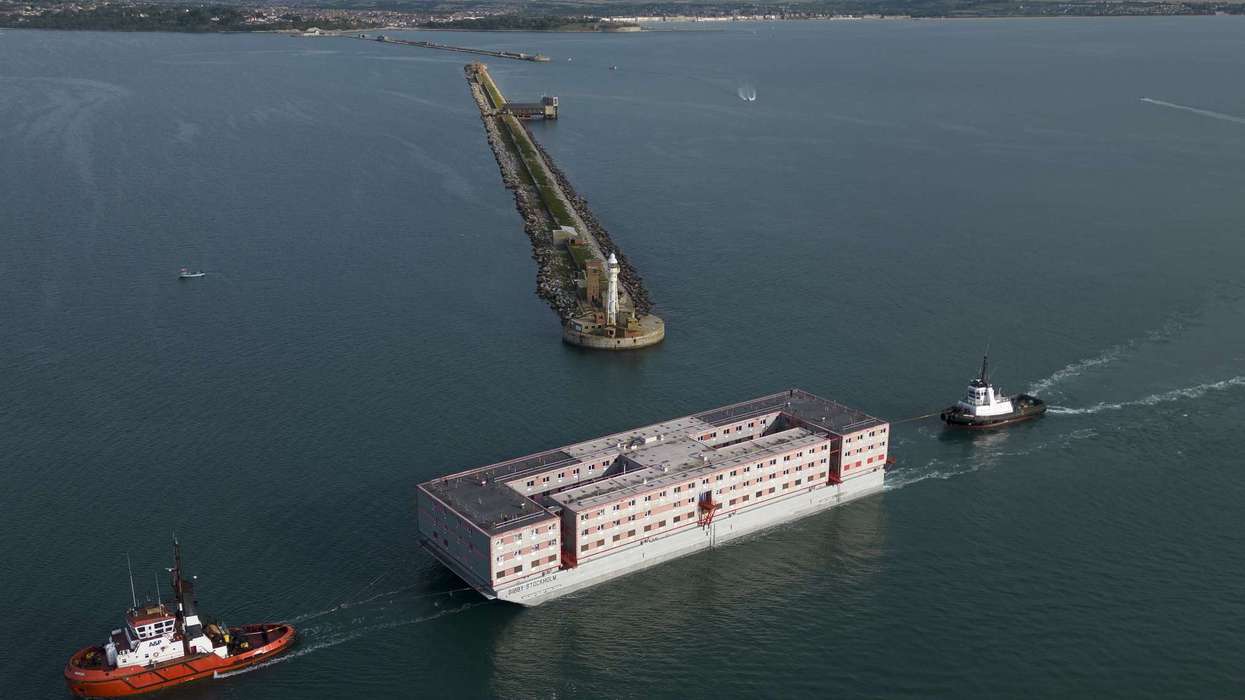
The company, which operated the Bibby Stockholm asylum barge and arranged accommodation for asylum seekers, said its internal audit uncovered “erroneous billing” in its UK business. The latest figure marks a sharp revision from earlier estimates, which had already raised alarms within government circles.
£54m to £118m: How the numbers get raising
The scale of the overcharging did not emerge all at once. CTM had initially identified an overbilling of £54.6m by 2022. That figure was revised to £77.6m in November 2025, before climbing again to £118m following a deeper forensic investigation by auditors at KPMG.
The company has suggested that some of the discrepancies were linked to funds that should have been returned but were retained instead. It is now in discussions with the UK government to settle repayments, having already begun returning a portion of the money.
What has complicated matters further is the company’s own admission that it may have relied on documents that were not genuine. CTM said it became aware that certain “letter agreements” — believed to confirm repayment arrangements — might not have been authentic, contradicting what its board had previously understood.
The fallout has already reached the top levels of the business. Former UK chief executive Michael Healy stepped down in November and was dismissed a month later for breach of contractual obligations. Shortly after, the group’s founder and chief executive Jamie Pherous retired in February.
CTM, headquartered in Brisbane and employing around 3,000 people globally, has also faced trading disruptions. Its shares were suspended following the discovery of irregularities in its UK accounts, adding financial pressure to an already difficult situation.
Ana Pedersen, the acting chief executive, reportedly said in a news report that the issues were confined to the UK arm of the business and that corrective steps had been “extensive and thorough”. Chair Ewen Crouch added that changes had been introduced across financial controls and operational processes.
A wider question over public spending
The case is likely to add to broader concerns about how government contracts, particularly those linked to asylum accommodation, are monitored. CTM was a key contractor during both the pandemic and the asylum housing surge, including its role in managing the Bibby Stockholm barge, which was decommissioned in November 2024.
The barge itself had drawn attention for multiple reasons, including the death of a 27-year-old resident in 2023, which an inquest later ruled as suicide. While separate from the financial issues, it added to scrutiny around the overall management of such facilities.
The Home Office has said it is conducting an internal investigation into the overspend linked to CTM. A spokesperson reportedly said in a news report that more than £70m has already been recovered from asylum accommodation contracts that did not deliver value for money. The department also pointed to savings of £700m in hotel costs as part of broader efforts to reduce reliance on temporary housing.
CTM has said it is working to resolve the issue through repayments and hopes to stabilise its position, including resuming normal share trading. But the episode leaves behind a bigger question.
When a contract error grows from £54m to £118m over time, it raises concerns not just about one company, but about the systems meant to catch such issues earlier.