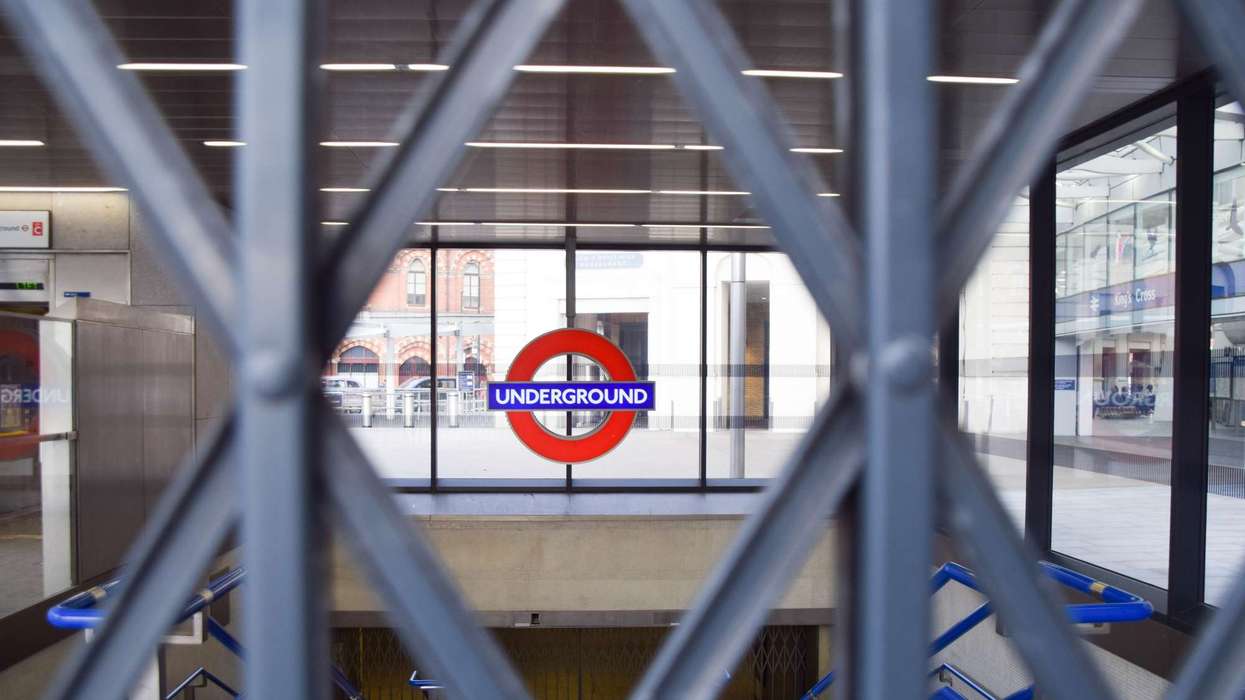

- Economic losses from Tube strikes could reach £760 million by June
- Hospitality sector faces up to 40 per cent drop in sales in central London
- Ongoing disruption linked to dispute over proposed four-day working week
London’s ongoing Tube strikes are no longer just a commuter inconvenience — they are beginning to show up in the city’s economic numbers.
Fresh analysis shared by City AM suggests the total cost of strike action running through April, May and June could land anywhere between £360 million and £760 million. The estimate, from the Centre for Economics and Business Research, points to lost working hours and disrupted business activity as the main drivers behind the hit.
That figure only captures the direct impact. It does not include the knock-on effects, fewer people heading into the city, reduced spending, and heavier road congestion, all of which could quietly push the real cost even higher.
At the centre of it all is uncertainty. With 24-hour strikes phased across multiple days, many workers are simply choosing not to travel at all, rather than risk delays or cancellations.
When fewer commuters mean fewer customers
For businesses that rely on daily footfall, the impact is already being felt.
Hospitality groups say central London is seeing a sharp drop in activity. According to UKHospitality, high street stores could take close to a 40 per cent hit during strike periods. Pubs and bars in zone one are expected to lose around 38 per cent of their sales, while coffee shops and sandwich outlets could see revenues fall by roughly 34 per cent.
“Commuter footfall is almost non-existent and families cancel plans to visit the capital,” said Kate Nicholls, chair of UKHospitality, as quoted in a news report. She added that the cost of disruption can run into millions, echoing similar patterns seen during previous strike periods.
Even City Hall has acknowledged the strain. A spokesperson for the mayor said the strikes were “bad for Londoners”, reportedly adding that sectors like pubs and restaurants are particularly exposed due to their dependence on commuters.
At the same time, there are small shifts in behaviour. Data from Transport for London suggests an increase in hire bike usage, partially offsetting the drop in Tube journeys though not enough to balance the broader economic slowdown.
A dispute that’s far from over
The disruption is being rolled out in phases, with 24-hour strike windows continuing across the week and further action planned into June. Several lines have already seen closures and severe delays, with only limited services running across parts of the network.
The dispute itself centres on a proposed change to working patterns. Members of the Rail, Maritime and Transport union have opposed plans for some staff to move to four-day weeks, citing concerns over fatigue. Transport authorities, however, have maintained that any such changes would be voluntary.
The political response has been sharp. Susan Hall, Conservative leader at City Hall, said the findings showed strikes were “driving businesses to the wall”, reportedly said in a statement. She also criticised the timing, pointing to the wider cost of living pressures.
“For train drivers who are on £80,000 a year to inflict this on people earning significantly less is callous,” she reportedly said.
The strikes are also landing at a difficult moment. Businesses are already dealing with rising costs linked to April tax changes and global pressures, including the ongoing Iran conflict. For many, the added disruption is not happening in isolation — it is compounding an already fragile situation.
For now, most services are still running in some form, and commuters are being advised to check before travelling. But as the strike calendar stretches further into the summer, the bigger question is no longer just about getting to work — it is about how much longer London’s economy can absorb the disruption.