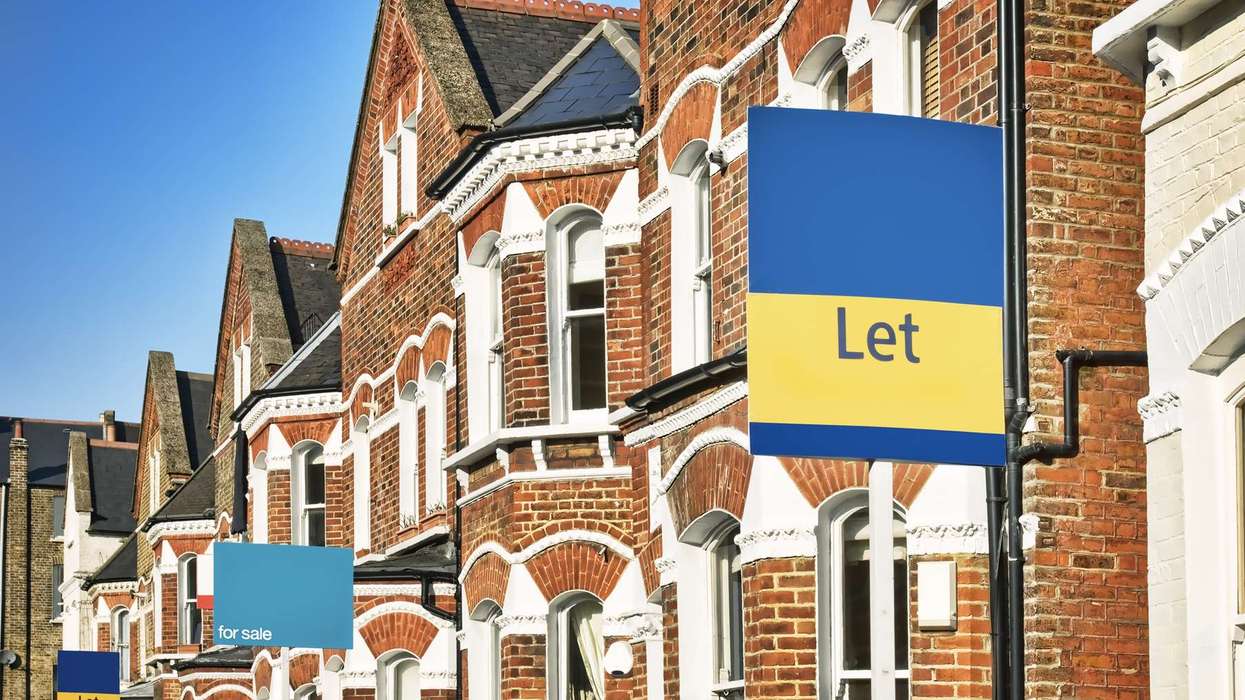

- Religion and community-based rental listings across London raise discrimination concerns
- Social media erupts, with users split between outrage and justification
- Listings also target specific groups including Punjabi, Gujarati and Kerala tenants
Rental listings specifying tenants by religion, language and community have triggered a wave of backlash online, after an investigation by The Telegraph uncovered widespread examples across London and the south-east. Phrases such as “Muslim only”, “Hindu only” and “Punjabi speakers preferred” appeared across platforms like Facebook, Gumtree and Telegram, raising questions around discrimination in the UK housing market.
Some listings went further, calling specifically for tenants from regions such as Kerala or Haryana, while others restricted occupancy by gender. In multiple cases, landlords reportedly declined tenants outside the specified group when contacted.
Under the Equality Act 2010, landlords and agents are not allowed to discriminate based on religion, race or other protected characteristics in most rental situations. While limited exceptions exist — such as when a landlord is sharing their own home — openly advertising “Muslim only” or similar preferences is generally considered unlawful.
But what has pushed this story beyond a routine legal issue is what followed next.
‘Try reversing it’: backlash spills online
The investigation quickly spilled onto social media and the reaction has been anything but uniform.
For some, the listings reflect a clear double standard.
“What would be the reaction if the advert said ‘strictly no Muslims’?” one user wrote.
Others were more blunt.
“This is disgusting and must be stopped immediately,” another comment read.
There were also comparisons to earlier decades, with one user pointing to signs from the 1950s and 60s that excluded Irish or Black tenants, calling it “the same difference”.
At the same time, not everyone saw the issue in the same light. Some argued that shared living often comes with preferences — whether cultural, dietary or lifestyle-based.
“If a household is for LGBTQ+ or vegetarian, that isn’t illegal… what’s the difference?” one user questioned.
Others suggested the outrage itself was misplaced, saying such filtering has existed informally for years and is only now becoming visible online.
The result is a sharply divided conversation — one that goes beyond the listings themselves.
More than listings, a wider fault line
The controversy has also drawn political attention. Robert Jenrick described the adverts as “disgusting and anti-British”, reportedly said in a statement, adding that “all forms of racism are unacceptable”.
Meanwhile, the platforms hosting such listings have faced scrutiny over moderation. Facebook reportedly removed at least one page after being alerted, while major portals are expected to restrict discriminatory advertisements under their policies.
Yet the pattern itself appears broader. The inclusion of identifiers such as “Punjabi”, “Gujarati” or “Kerala” tenants suggests that filtering is not limited to religion alone, but extends into language, region and community networks — often framed as preference, but increasingly questioned as exclusion.
For now, the law is relatively clear. Enforcement, however, is less visible. And as the debate continues online, the bigger question lingers quietly in the background — not just who is advertising these listings, but how widely such practices are accepted, challenged or simply ignored.