
Highlights
- Michael ends its story before the first public allegations against Jackson
- The structure effectively frames Jackson’s life as a closed success arc
- Critics are divided over whether the film is tribute or selective storytelling
- Jaafar Jackson’s performance as his uncle is widely praised
- Debate grows over how biopics shape public memory through structure, not just content
A story that stops at a deliberate point
The new Michael Jackson biopic Michael is drawing attention not only for what it shows, but for the exact moment it chooses to end.
The film charts Jackson’s journey from child star with the Jackson 5 to global solo dominance. However, it concludes before the first widely reported sexual abuse allegations in the 1990s, effectively drawing a line under his story at the height of his commercial success.
That decision is now becoming the most discussed aspect of the film, because it changes how the entire narrative is understood.
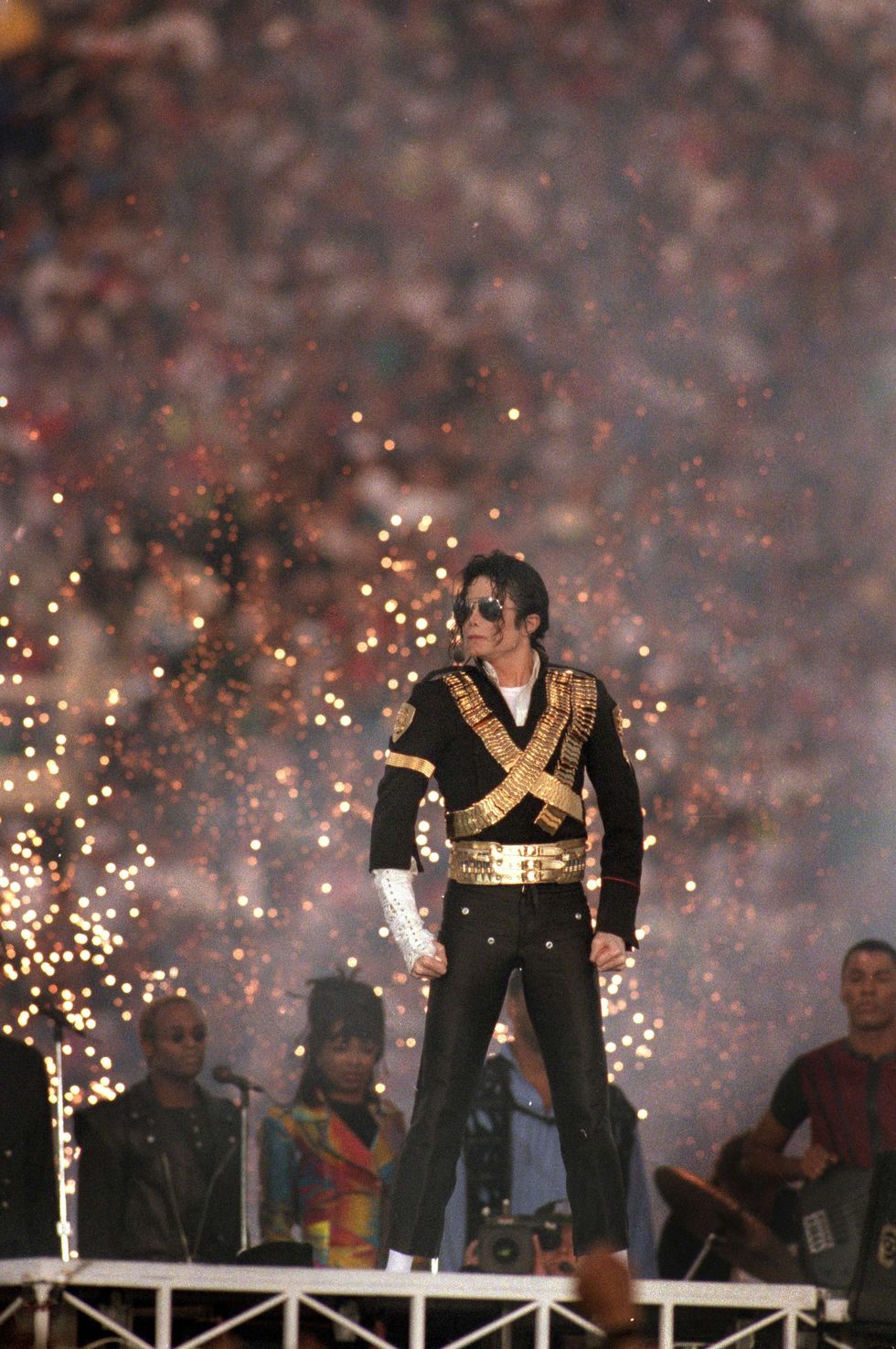 The film charts Jackson’s journey from child star with the Jackson 5 to global solo dominanceGetty Images
Structure that reshapes perception
Rather than functioning as a full life story, the film presents Jackson’s career as a contained rise to fame, peak, and completion.
Critics argue that this structure does more than omit later controversy. It actively guides the audience to experience Jackson’s legacy as uninterrupted achievement, with no narrative bridge into the period that later defined public debate around him.
This has led to a wider question emerging around biopic storytelling. The issue is not only what is included, but how the framing itself directs moral and emotional interpretation.
Praise for performance, questions over framing
Jaafar Jackson’s portrayal of his uncle has been one of the most consistently praised elements of the film. Reviewers have highlighted his resemblance, movement and stage presence, with many noting that he closely captures Jackson’s performance style.
The film also leans heavily on recreated musical sequences using Jackson’s original vocals, placing performance at the centre of the storytelling.
However, critics remain divided over whether the emotional focus on performance comes at the cost of narrative completeness.
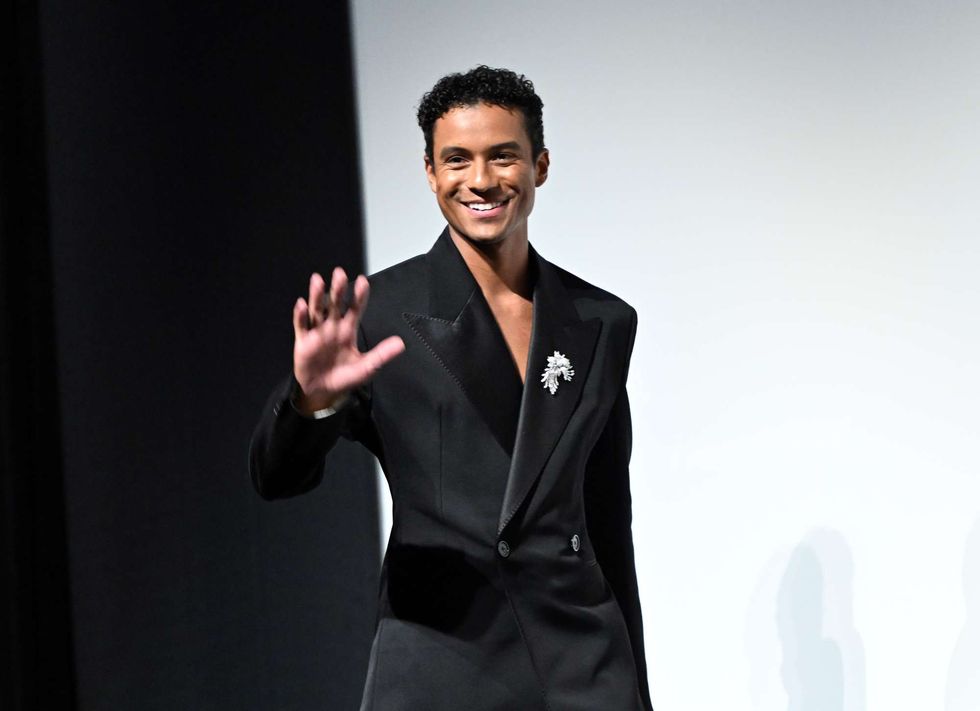 Jaafar Jackson’s portrayal of his uncle has been one of the most consistently praised elements Getty Images
A wider shift in music biopics
The reaction to Michael also reflects a broader pattern in recent music biopics, where films often prioritise musical legacy and audience familiarity over unresolved or contested history.
This has fuelled debate over whether such films are becoming closer to curated tributes than full biographies, particularly when estates are closely involved in production.
In this case, the conversation has moved beyond Michael Jackson himself and into a larger question facing the genre: whether a biopic can shape public memory simply by deciding where the story stops.