
- Sacked foreign office chief Olly Robbins told MPs he faced "constant pressure" from Downing Street to fast-track Peter Mandelson's appointment as US ambassador.
- Robbins, dismissed last Thursday (16), called himself a "scapegoat" and said Starmer's private office made "frequent phone calls" chasing the appointment.
- Starmer has admitted the appointment was "wrong" but blamed foreign office officials for withholding advice from the security vetting body.
- Robbins also revealed Downing Street had pushed for a diplomatic post for Starmer's former communications chief Matthew Doyle, who was removed from the Labour party over links to a convicted sex offender.
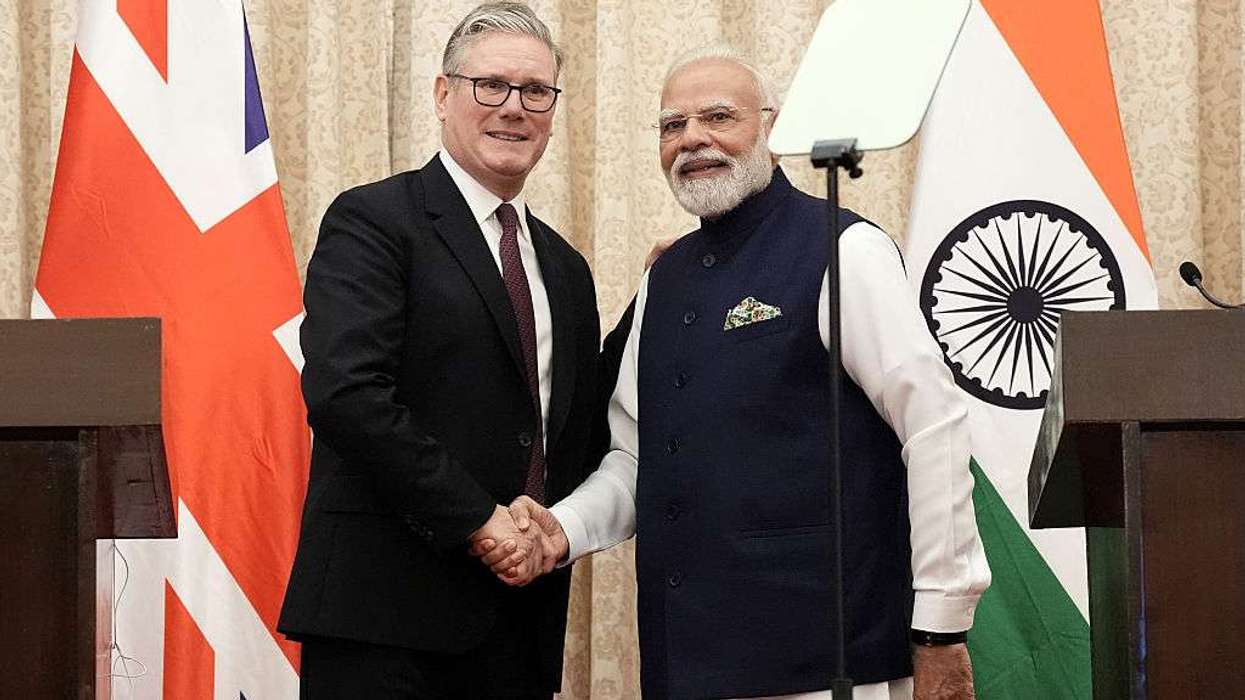
PRIME MINISTER Keir Starmer insisted Wednesday he would not resign, claiming allegations of misleading MPs over his appointment of a party loyalist as UK envoy to Washington had been "put to bed".
Starmer's remarks in parliament came as the beleaguered premier faced fresh calls to step down over his admitted error of judgement in appointing veteran former politician Peter Mandelson to the coveted post.
The premier spoke to lawmakers a day after the foreign ministry's most senior official, Olly Robbins, gave evidence to a parliamentary committee having been fired by Starmer over the affair last week.
Starmer has accused Robbins of failing to tell him about problems that emerged during Mandelson's security clearance.
He has repeatedly insisted that despite previously stating that "all due process" had been followed he would not have allowed the appointment to proceed if he had known that independent vetting officials had recommended security clearance be denied.
Starmer told MPs that Robbins clearly answered "no" when asked if he had shared the recommendation "with me, number 10 or any other ministers".
"That puts to bed all the allegations levelled at me ... in relation to dishonesty," he said, adding a week ago opposition politicians "were all saying that it must have been shared with me... It was not."
Mandelson was named to the top diplomatic post in December 2024, just weeks before US president Donald Trump was inaugurated the following month. He took up the job in February 2025.
The exact nature of the risks raised by vetting officials has not been made public.
Robbins has said that they did not relate to Mandelson's relationship with late US sex offender Jeffrey Epstein.
Main opposition Conservative Party leader Kemi Badenoch dismissed Starmer's denial demanding why he had not ditched the appointment when he found out about other controversial issues.
A document produced during the appointment process "said Mandelson remained on the board of the Kremlin-linked defence company, Systema, long after Putin's first invasion of Ukraine in 2014," Badenoch claimed.
"The prime minister told us on Monday that he'd read that due diligence report. Why did the prime minister want to make a man with links to the Kremlin, our ambassador in Washington?" she added.
Morgan McSweeney, Starmer's former top aide, who resigned over his role in the crisis, is to appear before MPs on Tuesday (28).
Robbins said that Starmer's Downing Street office put constant pressure on civil servants to approve Mandelson's appointment and seemed to dismiss security concerns.
Robbins described the tone not as "just please get this done quickly" but "get it done".
"I think, a pretty unmistakable feeling," he said.
Robbins said when he took office on January 20, 2025, Mandelson's appointment had already been announced, approval had been given by King Charles, it had been agreed by the US government, and Mandelson was being granted access to highly classified briefings on a case-by-case basis.
Robbins said it would have damaged relations with the US if the foreign office had blocked the appointment at that stage, and that he had given the green light by saying Mandelson had cleared vetting, based on what the foreign office knew at the time.
He questioned whether Downing Street even wanted the foreign ministry to complete so-called developed vetting clearance - a status that allows individuals access to information regarded as top secret.
It was down to the foreign ministry to complete that process, he said, and officials had stuck to a system whereby reports from a unit called UK Security Vetting were never shared with ministers to protect the candidate's confidentiality.
But he did say that the vetting unit had advised the appointment was a borderline case, and they were leaning against granting clearance - a message Starmer says he never received.
Robbins' defence again cranks up pressure on Starmer, who had won a brief reprieve from his critics after limiting Britain's role in the Iran war.
Even some senior ministers have subtly moved to distance themselves from him over the Mandelson decision.
Asked what went through his mind over the appointment, energy minister Ed Miliband told Sky News, "That it could blow up, that it could go wrong."
Labour lawmakers said they did not expect an immediate move to oust Starmer, especially before local elections in England and regional votes in Wales and Scotland on May 7.
(Agencies)