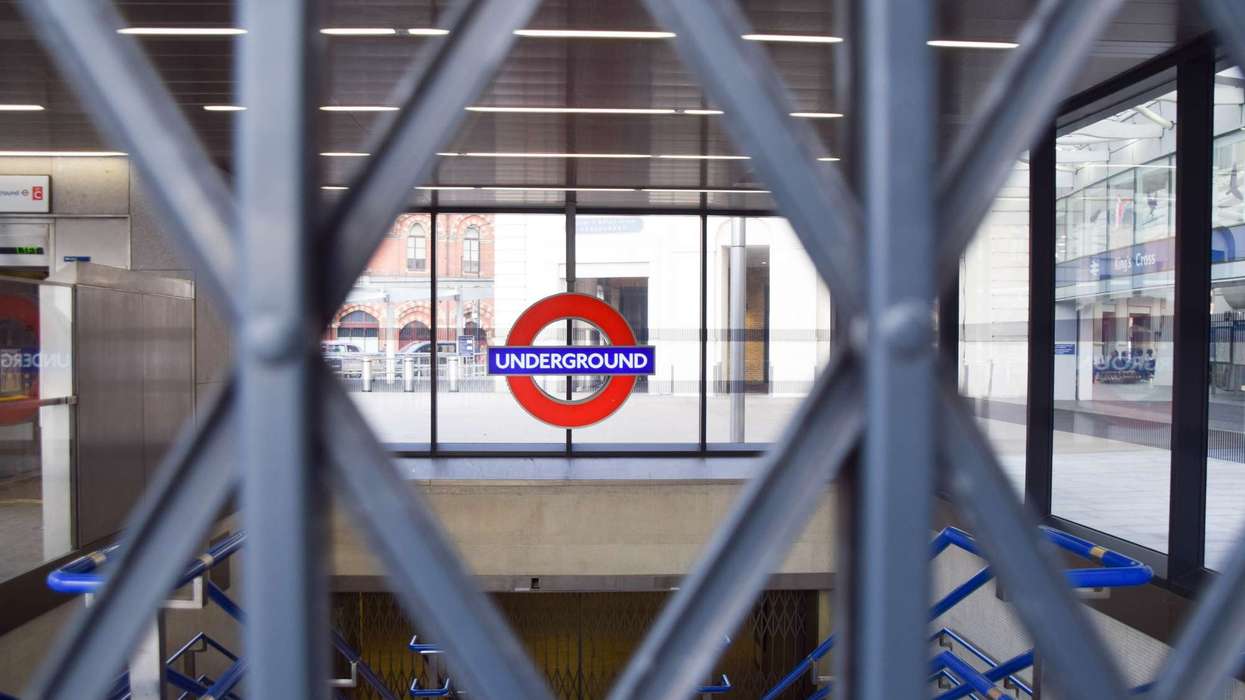

- Strike action begins April 23, midday, for 24 hours
- Major Tube lines face full or partial shutdowns
- Dispute centres on working hours, fatigue and safety concerns
London’s transport network is bracing for fresh disruption as London Underground drivers begin the second in a planned series of 24-hour strikes on Thursday (23). The action, led by members of the Rail, Maritime and Transport union (RMT), is expected to significantly affect Tube services across the capital.
The dispute is a disagreement between the union and Transport for London (TfL) over proposed changes to drivers’ working patterns. While TfL has framed the move as a flexible shift towards a four-day week, the union argues the reality may be more complex — and potentially unsafe.
A shorter week, or longer days?
TfL’s proposal would reduce the average working week for most drivers from 36 hours to 35 hours, without cutting pay. The model is designed to align London Underground with other rail operators and offer staff an additional day off. Crucially, TfL has maintained that the arrangement would be voluntary, allowing drivers to stick with a five-day schedule if they prefer.
But the RMT is not convinced. The union has pushed for a more substantial shift — a 32-hour week over four days, effectively cutting three hours without reducing salaries. It has also raised concerns about how the new structure might stretch individual shifts.
RMT official Jared Wood reportedly said that TfL must revise its proposals if any resolution is to be reached. The union has repeatedly flagged worries around “unacceptable working time arrangements” and the risk of fatigue affecting safety.
Network disruption spreads
The immediate impact on passengers is expected to be widespread. Several key lines will not run at all during the strike period. The Piccadilly and Circle lines are set to be completely closed, while the Metropolitan line will not operate between Baker Street and Aldgate. On the Central line, services are suspended between White City and Liverpool Street.
Even on routes that remain open, services will be limited and less frequent, adding pressure to an already strained network.
TfL has described the strike action as “completely unnecessary”, with its chief operating officer Claire Mann reportedly stating that the proposal simply offers more flexibility without changing contractual hours. She added that those who prefer existing schedules would still have that option.
The April 23 strike is unlikely to be an isolated event. The RMT has already lined up further action if talks fail to progress. Planned strike dates include May 19–20, May 21–22, June 16–17, and June 18–19, each following the same midday-to-midday pattern.
For now, both sides appear entrenched. TfL is pushing a model it says modernises working patterns, while the union is holding firm on concerns around workload and safety. Whether the gap between the two positions narrows in the coming weeks remains uncertain.