
Highlights
- Lufthansa cancels 20,000 flights to save fuel.
- Fuel prices jump from $85 to $200 per barrel.
- European airlines most affected with 75 per cent supply from Middle East.
1) Airlines ground planes to save fuel
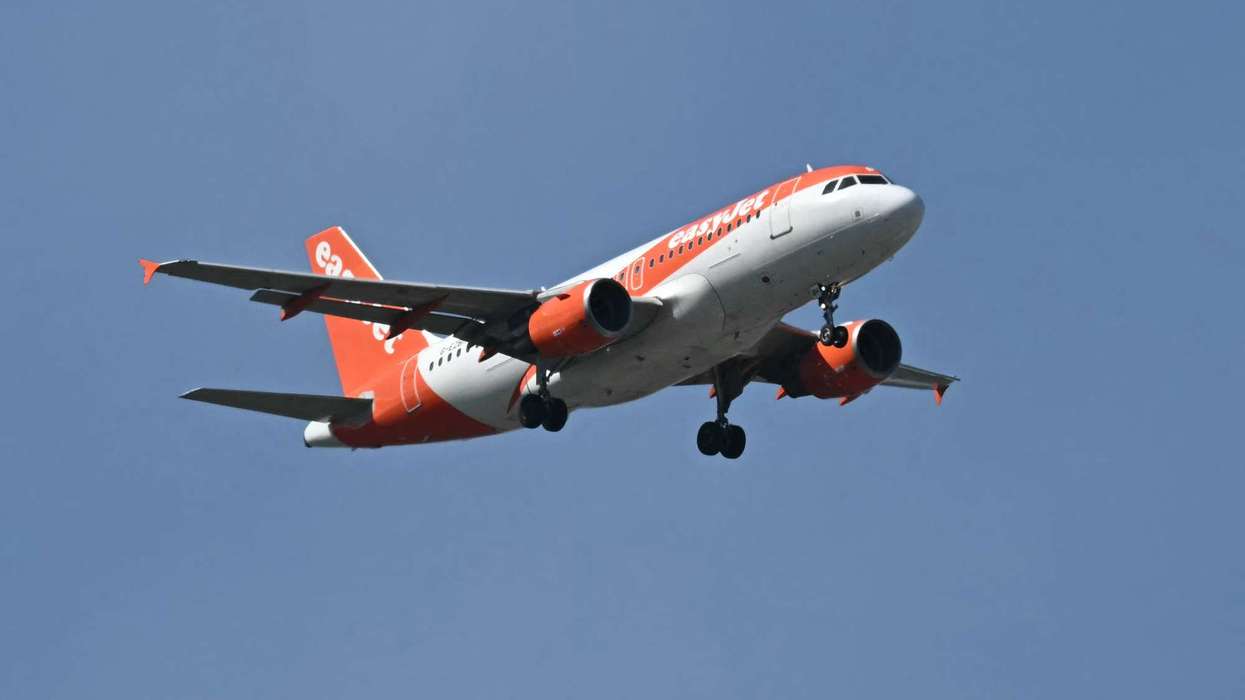
Lufthansa made the biggest move on Tuesday, cancelling 20,000 flights over six months to save 40,000 tonnes of jet fuel. The German airline permanently removed 27 planes from its CityLine service.
Routes from Frankfurt to Polish cities Bydgoszcz and Rzeszów, plus Norway's Stavanger, have been cut completely.
Other European carriers followed. Scandinavian airline SAS cancelled 1,000 flights in April.
Cathay Pacific is cutting 2 per cent of flights from mid-May to end of June, while its budget arm HK Express cuts 6 per cent.
Air France's Dutch unit KLM cancelled 160 European flights for next month.
Nigerian airlines nearly stopped all operations. The industry group threatened to suspend flights from April 20 until the government stepped in hours before the deadline.
An emergency meeting held on April 22 will decide if services continue.
2) Airlines pull forecasts and seek help
Major carriers withdrew their financial predictions, showing deep uncertainty. Air New Zealand suspended its yearly earnings forecast due to fuel volatility.
Alaska Air and Delta also pulled their full-year outlooks as fuel costs squeezed profits.
Some airlines face serious money troubles. Spirit Airlines asked the Trump administration for hundreds of millions in emergency funding to avoid shutdown, according to Air Current.
JetBlue's CEO told staff the carrier would not file for bankruptcy this year, though it secured $500 m in debt financing.
Korean Air entered emergency management mode from April, with cost-cutting measures tied to oil price levels.
Cathay Pacific is raising HK$2 billion ($255 million) through bonds to survive the crisis.
3) Surcharges and fee increases hit travellers
Airlines are raising prices in different ways. Air France-KLM will add 50 euros ($58) to long-haul round trips. Thai Airways raised fares by 10 per cent to 15 per cent.
Pakistan International Airlines increased domestic fares by $20 and international by up to $100.
Indian carriers introduced new surcharges. Akasa Air added charges between 199 and 1,300 rupees ($2 to $14) on flights.
IndiGo introduced fuel charges including 900 rupees for Middle East flights and 2,300 rupees for Europe.
Air India changed from flat rates to distance-based charges.
Baggage fees jumped dramatically. American Airlines, Delta and United each raised first and second bag fees by $10. Third bag fees saw the biggest jump, from $50 to $200 at several US carriers.
Spanish airline Volotea now links ticket prices to fuel costs, potentially adding up to 14 euros per passenger after booking.
About 75 per cent of Europe's jet fuel comes from the Middle East, making the Strait of Hormuz blockage especially bad for European carriers. Airlines have warned of fuel shortages within weeks, forcing the industry to rethink how it operates.